The Mumbai filmmaker raised roughly seven lakh rupees of her ten lakh budget through crowdfunding, with contributions ranging from fifty-one rupees to one and a half lakh.
Ten lakh rupees. That was the budget filmmaker Sulagna Chatterjee needed for her short Olakh, and she didn't get it from a studio or a single backer writing one big cheque. She got it from 230 people, most of them strangers, chipping in anywhere from ₹51 to ₹1.5 lakh.
The crowdfunding campaign opened on April 20, 2025. By the time Olakh went on the floors on August 5, around ₹7 lakh, roughly 70% of the budget, had come in through the campaign. The remaining ₹3 lakh came from co-producers, and other collaborators pitched in equipment and post-production help that never shows up as a line item.
Olakh premiered at the Indian Film Festival in Melbourne on August 20.
Chatterjee isn't new to this route. She's made The Visit (2021) and Adulting (2018), and crowdfunded an earlier project, Pehli Date (2025). She's also clear-eyed about the trade-off. A studio, she says, absorbs the practical headaches of filmmaking, freeing a director to focus purely on the work, but usually at the cost of some creative control. Going independent, for her, bought the room to tell a braver story.
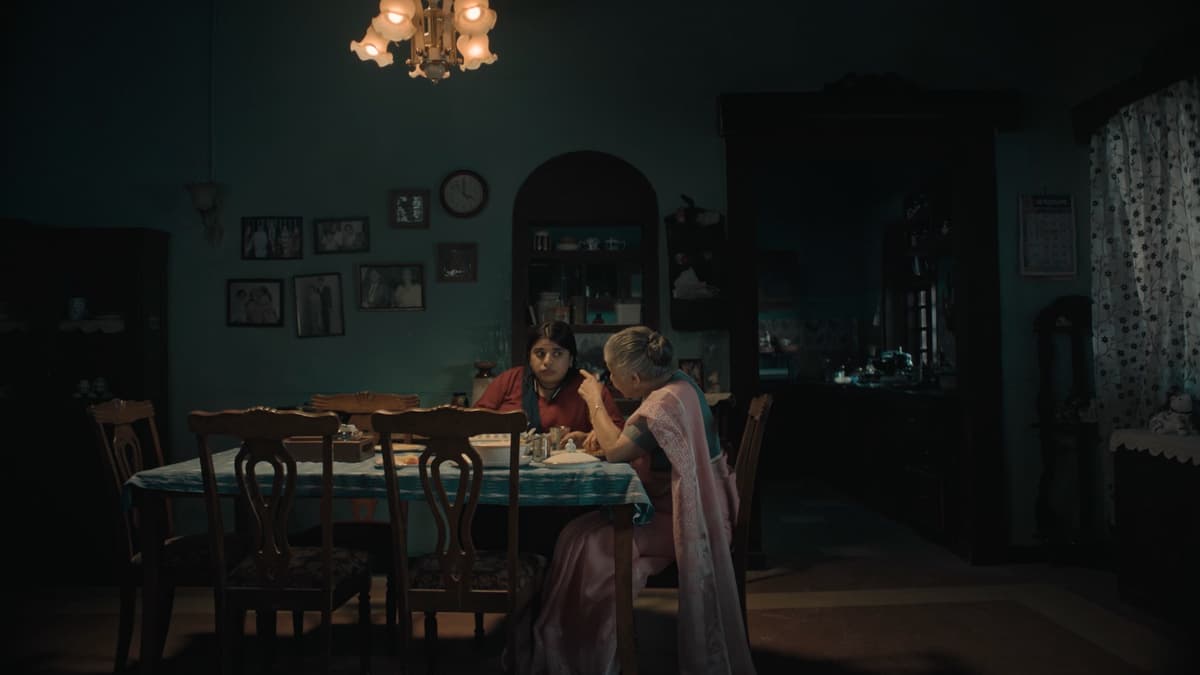
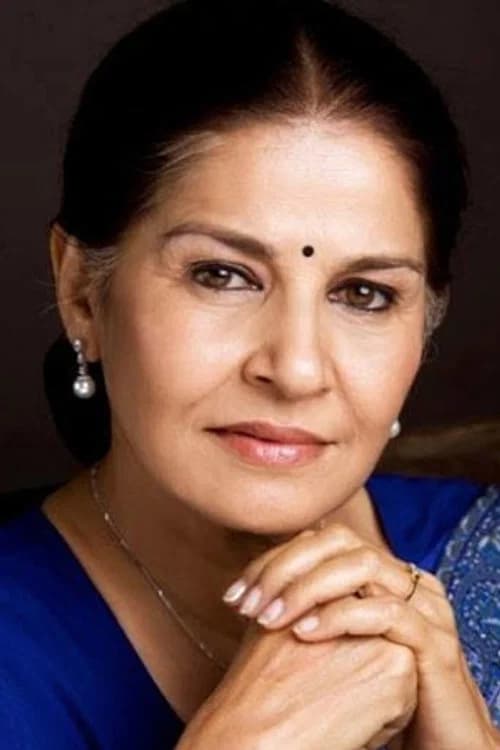
That story is set almost entirely inside a Mumbai kitchen. Olakh, Marathi for identity, follows a landlady and her domestic worker across the fault lines of caste, class, age and experience. Suhasini Mulay, known for Lagaan and Dil Chahta Hai, plays a Punjabi widow who married into a Maharashtrian household decades ago and has spent her life folding herself into someone else's customs. Casting director and actor Nikita Grover, seen in Paatal Lok and Shadows of the Moonless Nights, plays opposite her.
The idea traces back to Chatterjee's own family. Her mother, a Bangal who married into a Ghoti household out of love, spent 35-odd years adjusting her preferences to fit in, food included, until the taste for her own kind of heat quietly disappeared from the table. Chatterjee started writing the first draft on November 26, 2024, after a stretch of introspection about her mother and grandmother, and the particular skill women learn of accommodating so thoroughly that the accommodation stops registering as a choice at all.
Her mother's cancer changed that. Survival brought what she started calling "life 2.0", and with it, a slow return to the food and preferences she'd set aside for decades. Chatterjee has said reclaiming an appetite might look small next to surviving cancer, but to her it carried an entire argument about selfhood.
That's the question Olakh sits with in one small room. What's left of a woman after years of being someone's daughter, wife, employer, employee, caregiver.
With the Melbourne premiere behind it, the film's festival run is just getting started, and Chatterjee's next crowdfunding pitch, whenever it comes, will be testing whether that same faith holds up a second time.

Be the first to comment
Join the argument. No password, just your email or a passkey.