Dulquer Salmaan’s Telugu debut lands with a quiet thud, but early buzz suggests it might just be the kind of film that lingers long after the credits roll.
November 20, 2026. Aakasamlo Oka Tara opens in theatres nationwide. The film, directed by Pavan Sadineni and starring Dulquer Salmaan and newcomer Satvika Veeravalli, arrives with a promise: a story about dreams, sacrifice, and the quiet strength of a woman who wants to touch the sky. But the first audience reactions — unfiltered, unpolished, and scattered across X (formerly Twitter), suggest something more complicated than a simple win or loss.
Some called it 'a hit' before the opening night even ended. Others said it felt like watching a documentary with subtitles. The divide isn’t between fans and critics. It’s between those who believe in slow storytelling and those who don’t. One user wrote: “First half is super… Dulquer and Satvika are brilliant.” Another: “It’s not boring, but it’s not gripping either.” The film’s rhythm is deliberate.
It doesn’t rush. It lets moments breathe. That’s its strength, and its flaw. Critics note the first act drags, with a narrative pace that feels more like a rural diary than a film.
Yet, for all its stumbles, the film finds its pulse in the second half. When Shruti Haasan enters as Rohini, the head of Skybag, the tone shifts. Her performance, described as “unexpected,” “powerful,” and “a turning point”, isn’t just a scene-stealer. It’s the pivot point.
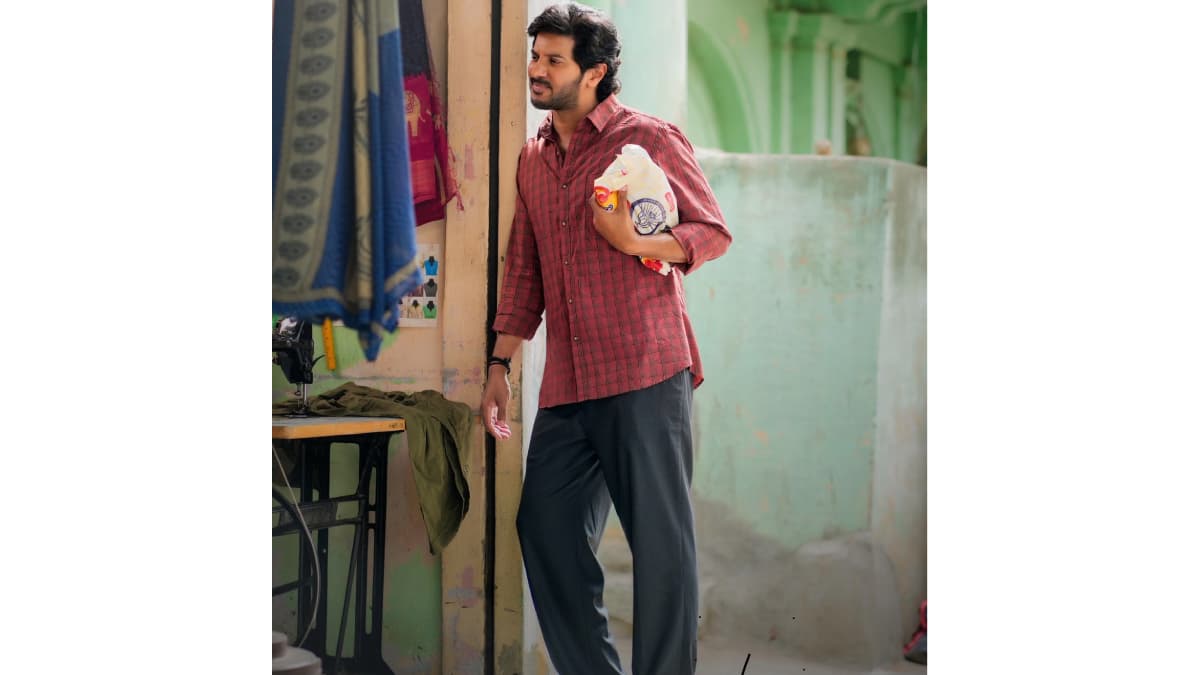
Without her, the film might have faded into memory. With her, it becomes something else: a quiet rebellion against the idea that inspiration must come fast. Dulquer Salmaan, meanwhile, sheds his star persona entirely. He plays Krishna, a taxi driver from a remote village, and disappears into the role so completely that even his accent, reportedly learned for the part, feels earned.
His chemistry with Satvika Veeravalli, a debutant whose close-up work has drawn praise, is the film’s emotional spine. She doesn’t just act. She lives. The technical side holds up too.
G.V. Prakash Kumar’s score is sparse but haunting. Sujith Sarang’s cinematography turns dusty roads and open skies into paintings. And yet, even the best visuals can’t mask the film’s pacing issues. Some reviewers mention editing flaws, especially in the climax, which feels stretched.
Still, the consensus among early viewers leans toward admiration. Not because it’s perfect. But because it dares to be sincere. In a year where most films chase spectacle, Aakasamlo Oka Tara chooses stillness.
Whether that choice pays off at the box office remains to be seen. But one thing’s certain: if you’re looking for a film that doesn’t shout, but whispers straight into your chest, this is it. The question now isn’t whether it’s good. It’s whether enough people will stay still long enough to hear it.







Be the first to comment
Join the argument. No password, just your email or a passkey.