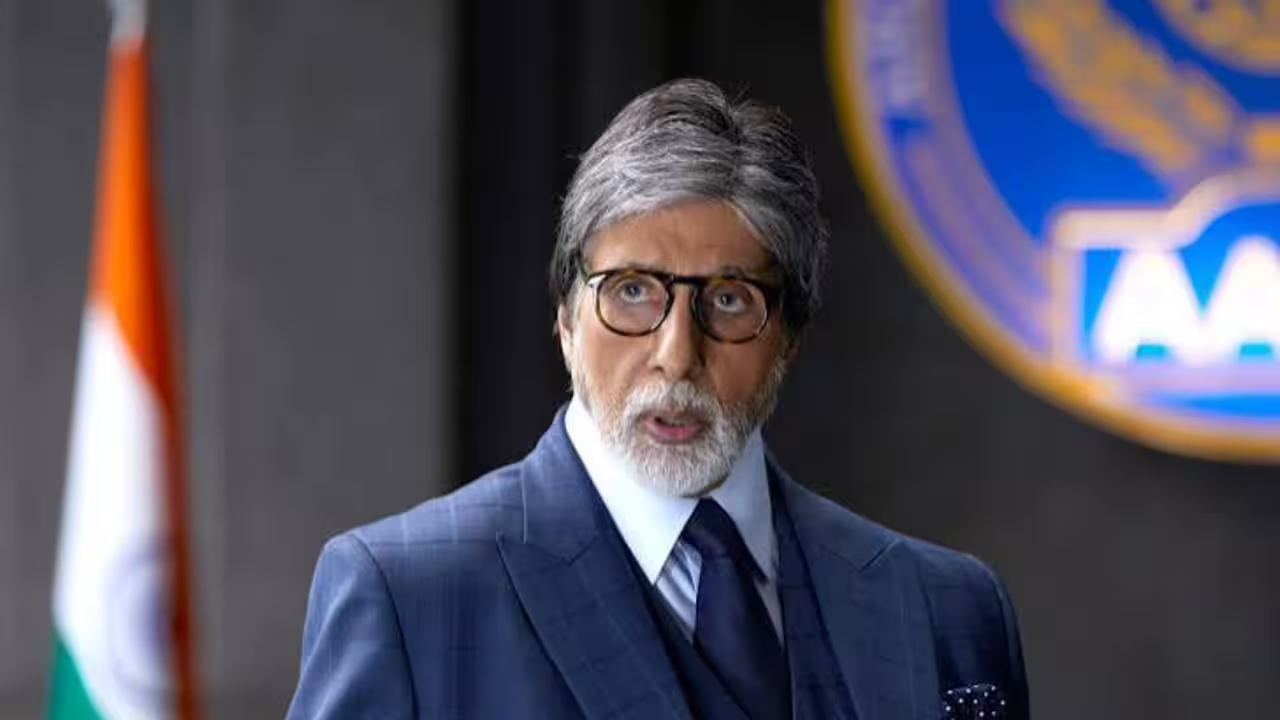
On his 83rd birthday, audiences are revisiting seven defining performances that showcase the range of India's most enduring actor.
October 11 marks the day Amitabh Bachchan turns 83, and with it comes a wave of retrospection. Across platforms, viewers are dusting off classics and lesser-known gems to celebrate a career that has shaped Hindi cinema for over five decades.
Mathrubhumi’s list of seven films to rewatch highlights not just the legend’s dominance but also his versatility. 'Sholay', the 1975 epic that defined an era, remains a cornerstone — Bachchan’s Jai, quiet yet magnetic, still holds up as one of the most iconic screen partnerships in Indian film history.
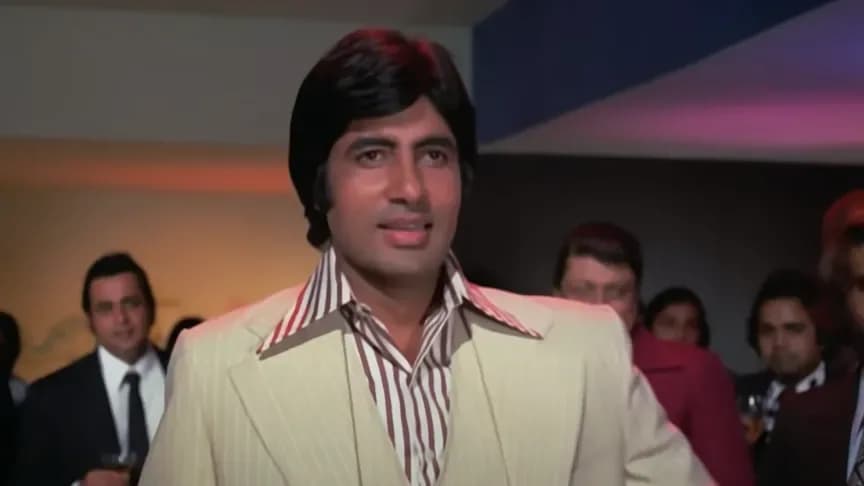
Then there’s 'Deewaar', where Bachchan first became the angry young man. His portrayal of Vijay, torn between loyalty and survival, wasn’t just a role, it was a cultural moment. The film’s moral ambiguity still sparks debate, even today.
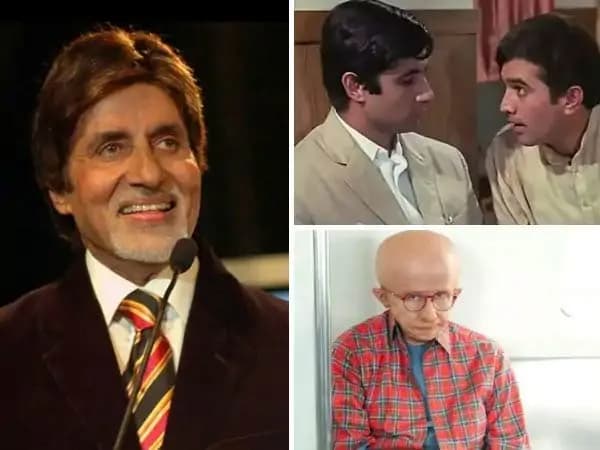
But it’s not all intensity. 'Anand' (1971) shows a quieter side: Bachchan as Dr Bhaskar, the stoic doctor who learns from a terminally ill man’s joy. It’s a performance that predated his stardom and proved he could carry emotion without spectacle.
The comedy of 'Chupke Chupke' (1975) offers a rare glimpse of Bachchan’s playful energy. A far cry from the brooding icon. As Professor Sukumar Sinha, he leans into absurdity with charm, proving he wasn’t just a dramatic force.
Later, 'Black' (2005) demanded emotional precision. Playing a teacher guiding a deaf-blind student, Bachchan delivered a performance layered with restraint and fire. Rani Mukerji’s brilliance aside, his work anchored the film’s heart.
'Paa' (2009) is another landmark, Bachchan as a child with progeria, played opposite his real-life son Abhishek. The casting alone was audacious. Yet the film works because of his commitment to vulnerability, not spectacle.
And then there’s 'Piku' (2015), a modern classic. As the stubborn, health-obsessed father, Bachchan balances grumpiness with tenderness. The road trip isn’t about action. It’s about the friction and love between a daughter and her aging parent.
These aren’t just nostalgia trips. They’re reminders of how Bachchan has consistently reinvented himself, sometimes against type, always with depth. On his birthday, the conversation isn’t just about legacy. It’s about why these films still matter.
The question now isn’t whether he’ll return to the screen. But what new chapter he might write next.
Be the first to comment
Join the argument. No password, just your email or a passkey.