A film about love, tradition and the weight of change lands on a Friday with no fanfare — but the kind of cultural resonance that doesn’t need a trailer to announce it.
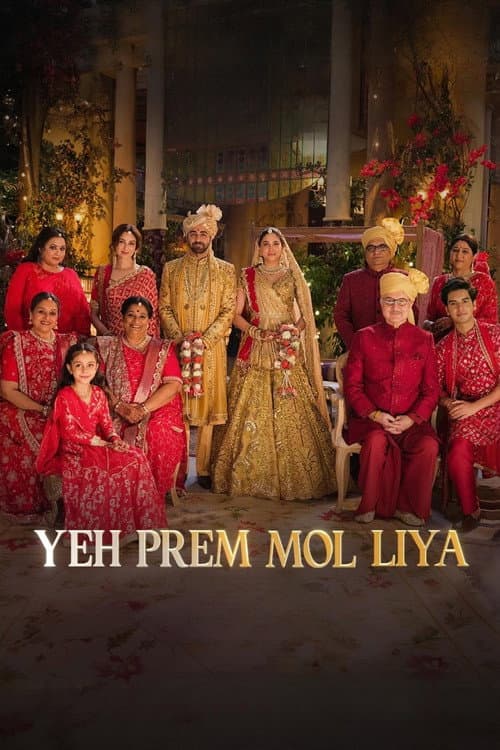
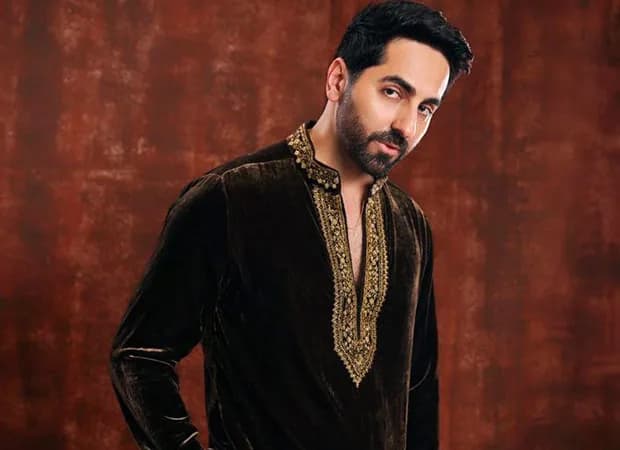
It’s not often you hear an actor say they feel like a beginner after two dozen films. But Ayushmann Khurrana did. On November 27, as Yeh Prem Mol Liya opened across India, he wasn’t just promoting a movie — he was living through a moment he’d once only dreamed of.
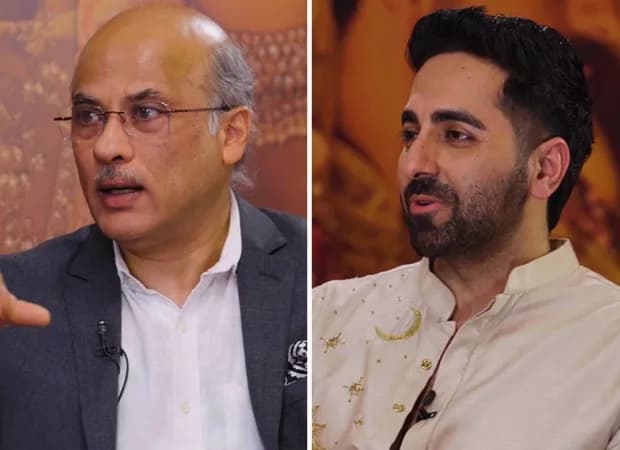
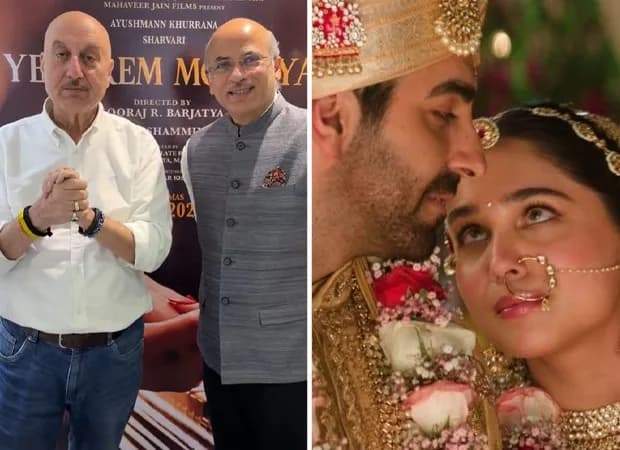
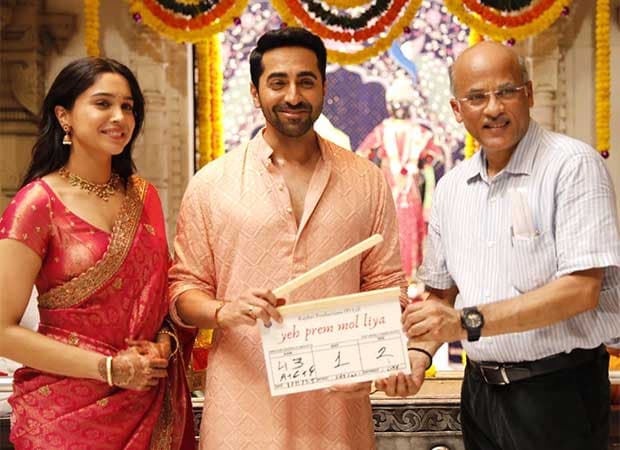
He grew up watching Sooraj Barjatya’s films. The idea of being part of one? That felt like a childhood fantasy made real. 'It’s too good to be true,' he said, and there’s no irony in that.
This isn’t a comeback. It’s a homecoming. And it’s happening quietly, without the usual noise of a big-budget launch. No red carpet.
No viral stunts. Just a film opening on a Friday, with families filling theatres in Mumbai, Delhi, and Jaipur alike. The word ‘houseful’ is already doing the rounds. Not because of marketing.
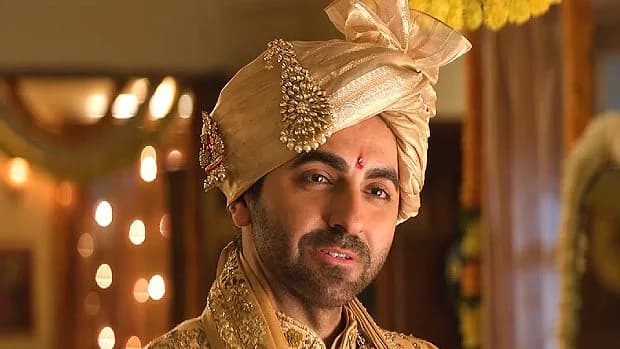
Because people are showing up. For the story. For the feeling. For the way a man named Prem asks, in a voice trembling with quiet fury: Which Constitution, Vedas or Puranas state that only a girl has to leave her house after marriage? That line didn’t come from nowhere.
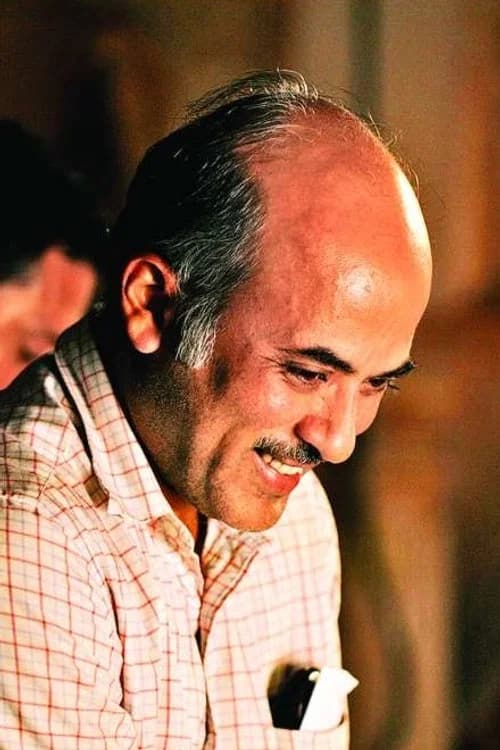
According to Barjatya, it was the spark. He went back to the Rig Veda. To the Puranas. Not to find justification, but to understand the question itself.
And then he thought: only Ayushmann could carry it. Not because of his fame. But because of his curiosity. His willingness to ask.
Barjatya described him as someone who doesn’t seek change, he questions it. That sensitivity, that tenderness, is what he wanted. And he got it. The film, set in Mumbai but stitched together from Chhath Puja in Bihar, toran in Rajasthan, Navratri in Gujarat, doesn’t shout its diversity.
It breathes it. The festivals aren’t performed, they’re lived. The songs aren’t in regional dialects. They’re in everyday Hindi, accessible to every audience.
Even the toran, a symbol Barjatya admits he didn’t fully understand until he started researching after his own wedding, becomes a narrative device, a thread connecting generations. Ayushmann called it ‘lovely and mushy’. That’s not a criticism. It’s a tribute.
This isn’t a film trying to break records. It’s not chasing trends. It’s not even trying to be bold. It’s simply saying: love between families, across differences, can still be the most radical thing we do.
And it’s happening now. In theatres. On screens. In hearts.
The box office will tell us if it’s a hit. But the real test, whether this version of Rajshri cinema still speaks, is already being answered. By the people who came to see it. By the ones who stayed.
By the ones who left with their phones out, recording a song from Chhath Puja, not because it’s trending, but because it felt like theirs.

Be the first to comment
Join the argument. No password, just your email or a passkey.