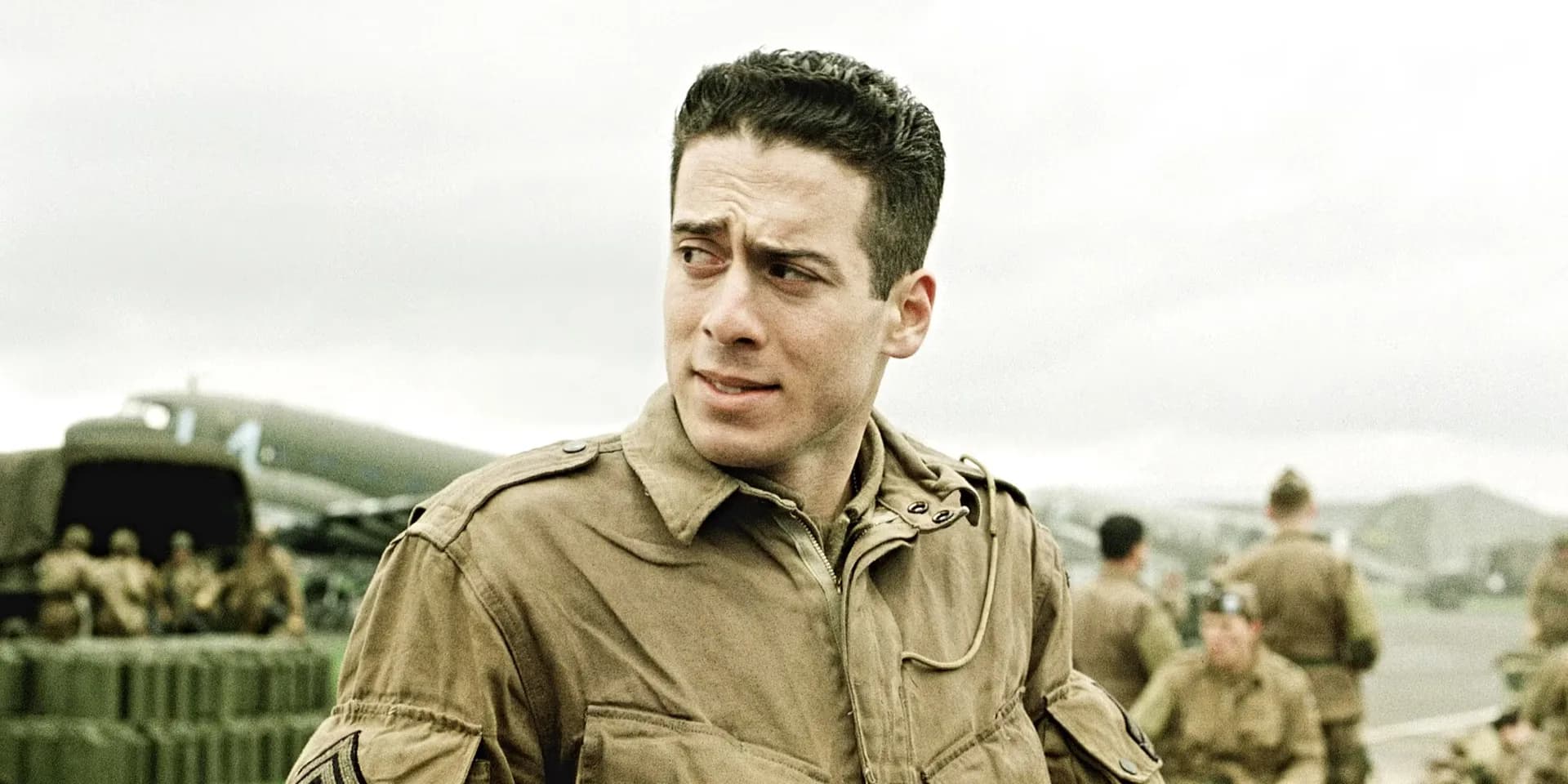

Two decades on, Band of Brothers and The Pacific still come up first whenever anyone starts a conversation about war television done right. Neither show is new. Both keep getting revisited anyway, and the reason is structural, not nostalgic.
Band of Brothers, adapted from Stephen E. Ambrose's book, follows Easy Company of the U.S. Army's 101st Airborne Division from the brutal training grounds at Camp Toccoa through D-Day, Operation Market Garden, the Battle of the Bulge and into the war's end in Europe. Richard Winters, played by Damian Lewis, looks like the obvious centre of gravity early on. He isn't. The show keeps handing episodes to different soldiers in the unit, and that choice does something clever. It turns the company itself into the real protagonist. You end up watching the war through a dozen sets of eyes instead of one, and every loss carries more weight because of it.
The Pacific, HBO's follow-up, could easily have repeated that formula. It doesn't. Instead of tracking one company, it splits between three Marines whose paths keep crossing across Peleliu, Iwo Jima and Okinawa: writer Robert Leckie, played by James Badge Dale, Eugene Sledge, played by Joseph Mazzello, who initially can't enlist because of a heart condition, and John Basilone, played by Jon Seda. The Pacific Theater looks like an entirely different war depending on which of the three is in frame.

Be the first to comment
Join the argument. No password, just your email or a passkey.