The story belongs in box-office, not regional or entertainment news. The core event is financial performance, not casting or cultural commentary.
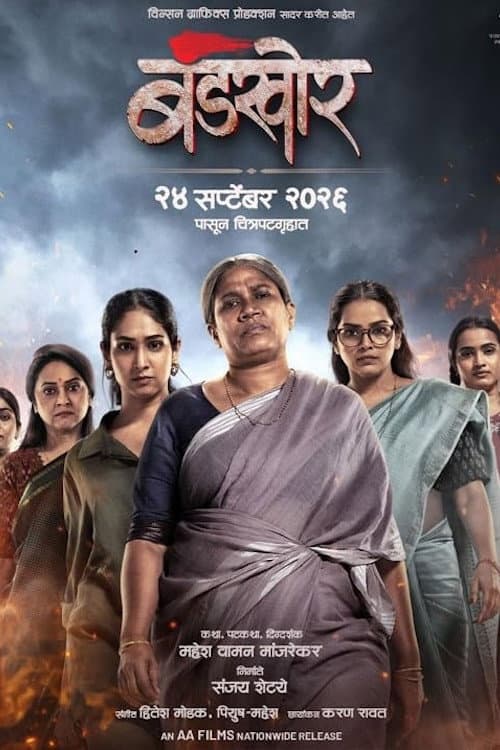
Bandkhor’s run ended on Thursday morning — not with a bang, but with a whisper. Seven days after its September 24 release, the Mahesh Manjrekar-directed Marathi drama closed its theatrical doors with a net collection of just ₹31 lakh. That’s it. No encore.
No second weekend. Just a quiet exit for a film that carried the weight of a director’s name and a cast of seasoned performers. The numbers don’t lie: at best, it recovered 12.4% of its reported budget, estimated between ₹2.5 crore and ₹3.5 crore. A washout, by any measure.
And yet, it wasn’t even a surprise. Not really. The film opened to a meagre ₹4 lakh, barely enough to cover print and advertising costs in a single multiplex. No social media buzz.
No word-of-mouth. No traction beyond the usual circle of critics who praised its craftsmanship. It was released under an ‘A’ certificate. A red flag for mass appeal, and without any meaningful pre-release campaign.
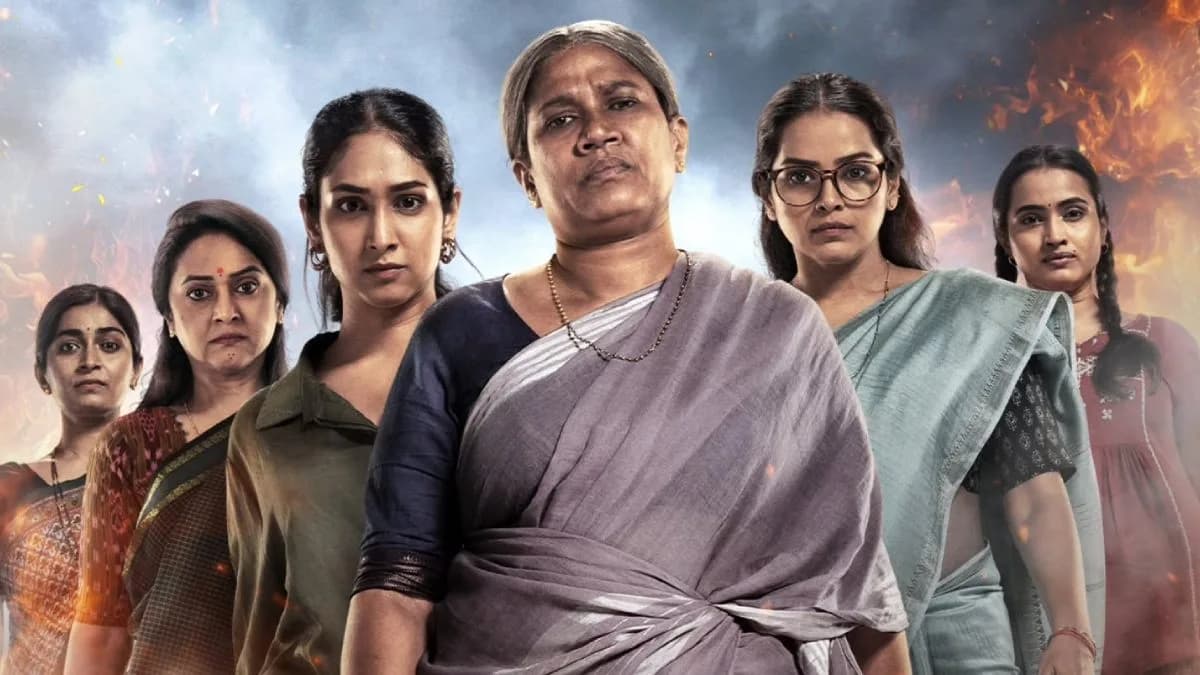
AA Films handled distribution, Vinsan Graphic Production backed it, and the cast included Mrinal Kulkarni, Chhaya Kadam, and Priyadarshini Indalkar. But none of that mattered. The audience didn’t show up. Not even once.
In contrast, Drishyam 3 arrives tomorrow, October 2, with all eyes on it. The timing is no coincidence. One film dies quietly. The next one starts with a roar.
Bandkhor’s failure isn’t just about money. It’s about momentum. About how even established names can falter when the market doesn’t care. And now, as the dust settles, the real question isn’t whether the film failed.
It did. The question is what happens next. Will studios rethink their bets on Marathi cinema? Or will they double down on spectacle, chasing box office gods instead of stories?



Be the first to comment
Join the argument. No password, just your email or a passkey.