Bizkaia's audiovisual jobs jumped over 50 percent in a decade, but producers now argue about whether outside money is building a real industry or just renting one.
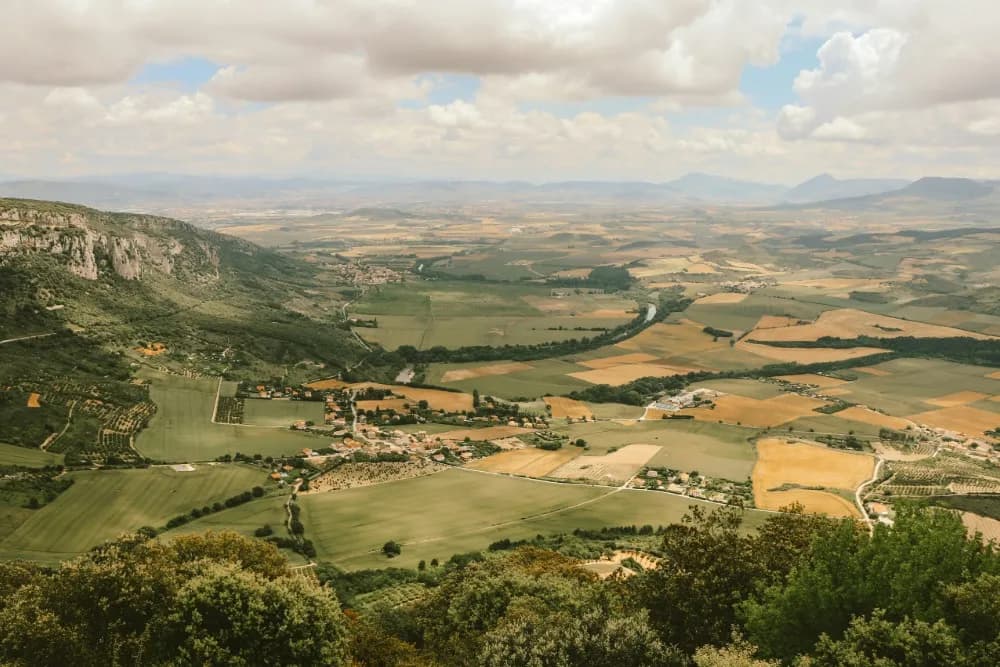
San Sebastian is hosting its festival as usual this week, but the bigger story out of the region is happening off screen. Producers there are arguing over a question that sounds simple and isn't: what actually counts as a Basque production.
The numbers explain why anyone cares. In Bizkaia province alone, audiovisual employment climbed 50.5 percent between 2014 and 2024, according to figures cited by Variety, and the number of companies tied to the sector grew from 284 to 448 over the same stretch. Last year, the Bilbao Bizkaia Film Commission backed 219 shoots with an estimated economic impact of €138.1 million, roughly $158 million.
That's real growth. It's also brought outside productions chasing tax incentives, and that's where the disagreement starts.
Legal Basque versus felt Basque
Xabi Berzosa of San Sebastian-based Irusoin puts the legal test bluntly. If a Basque company produces it, it's Basque. Under that definition, Nanni Moretti's new film "It Will Happen Tonight" qualifies, even though it's shot in Italy, in Italian, with co-producers like Fandango and BTeam Prods alongside Irusoin. Berzosa doesn't pretend that reflects what Basque filmmaking actually looks like day to day. "Legally it's Basque," he told Variety, and left it there.
Filmmaker Koldo Almandoz, whose Euskara-language feature "The Last Goodbye" is playing out of competition at San Sebastian this year, wants a different measuring stick entirely. He talks about soul, about culture and language and crews, and he's openly skeptical of productions that show up mainly for the incentive. "You can call it co-production, but we all know that it's like they are working as commission agents," he said. Those, in his view, don't count.
Iker Ganuza, who heads producers' association EPE-IBAIA and works at Lamia Producciones, frames it as an industrial question rather than a cultural one. Where do decisions get made? Where does the intellectual property sit? How much value stays in the region after the crew packs up? His preferred single criterion, if forced to pick one, is deep-rooted business and creative presence combined with decision-making power.
What happens when the incentives run out
Nobody quoted is arguing that international shoots are bad for the region. Ganuza says they create jobs and visibility. Berzosa distinguishes between servicing a shoot, where a crew is hired and then the production leaves, and co-producing one, where a local company actually owns a piece of it. Servicing keeps people working, he says, but it doesn't build anything that lasts.
Almandoz's worry is more specific. If the fiscal advantages disappear someday, do the small local companies that have been absorbed into bigger outside outfits stick around, or do they follow the money to Madrid, Barcelona or Paris? He isn't predicting a collapse. There's an industry now, people are working, and everyone is learning fast. His concern is the pace. Going from zero to a fully built sector in three years, he says, isn't really how it works.
Ganuza's framing may be the one that outlasts this particular argument. The problem, he says, isn't a shortage of opportunity. It's making sure growth doesn't leave the companies that built the sector behind. His benchmark for the region isn't next year's shoot count. It's where the Basque film industry actually stands by 2030.




Be the first to comment
Join the argument. No password, just your email or a passkey.