Matt Brittin, the BBC’s director‑general, told Laura Kuenssberg on Sunday that the corporation’s £500 million savings drive could force the shutdown of some TV and radio services. \n\n“We wouldn’t guarantee any programme or any channel will exist forever,” he said, underscoring that the licence‑fee model is under pressure. The comment came as the BBC eyes a tighter budget after a previous £1.5 billion savings pledge fell short of expectations.\n\nBrittin’s interview, set to air over the weekend, painted a picture of a broadcaster caught between a dwindling licence‑fee base and a digital‑first audience. He noted that a handful of channels now attract only a fraction of their historic broadcast audience, while the same content draws many more viewers on iPlayer. “When’s the right time to migrate that service fully to being on demand?” he asked, hinting that a full digital shift could be on the cards.\n\nThe BBC’s licence fee sits at £180 a year, but recent data shows fewer than 80 % of the UK’s 94 % monthly users actually pay it. That gap fuels the urgency to trim costs and re‑engineer how the public receives news, drama and sport. Brittin said the corporation must “go in different ways to reach audiences” and that clinging to a “yesterday’s model” risks alienating viewers who already live in tomorrow’s world.\n\nIndustry observers have already speculated about the fate of BBC Three, the youth‑focused channel that moved online a few years back. No official word has been given, but Brittin’s remarks keep the rumor mill turning. The director‑general also warned that up to 2,000 jobs could be at risk as the BBC reshapes its portfolio, a figure that adds pressure to ongoing union negotiations. Two offers have already been rejected, raising the spectre of industrial action if a deal can’t be reached.\n\nFor licence‑fee payers, the message is clear: the BBC is looking to squeeze more value out of every pound. Brittin said the broadcaster’s job is to “safeguard value for money for the licence fee payer,” a line that will likely resonate with households watching their bills climb.\n\nWhat comes next? The BBC is expected to announce any service closures as early as next week, according to earlier reports. If a channel or station does go dark, the corporation says it will lean heavily on on‑demand platforms to keep the content alive. Viewers may find their favourite shows shifting from the living‑room set to a screen‑tap, a change that could redefine how the public perceives the public service broadcaster.\n\nThe coming days will reveal whether Brittin’s warning turns into a concrete plan or remains a cautionary note. Either way, the BBC’s next move will shape the media landscape for years to come.
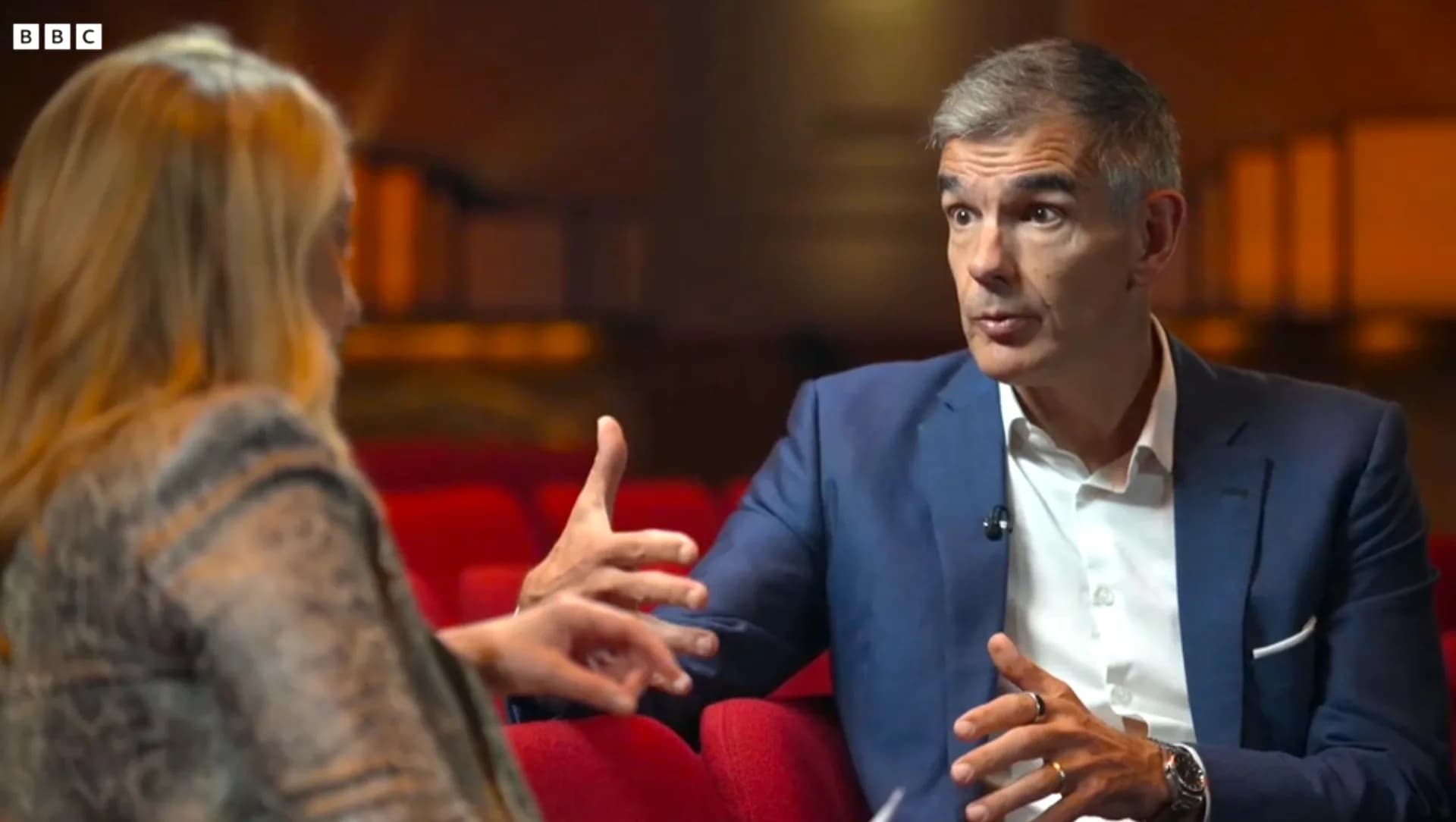 Photo via Deadline
BBC Director General Signals Possible TV and Radio Closures
Matt Brittin warned that to hit a £500 million savings target, the broadcaster may shut under‑performing channels and migrate viewers to iPlayer.
In this story
Reported from
This article was written by the CutMirchi desk from the reporting above. Facts are attributed to their original publishers.
Read next
Bill Murray's Golf Docuseries A Course Called Ireland premieres October 25
Bill Murray teams up with author Tom Coyne and his extended family for a six-part docuseries exploring Ireland’s legendary golf courses. Premiering October 25 on Paramount+ and BBC, the series blends humor, heritage, and unscripted adventures across the emerald isle.
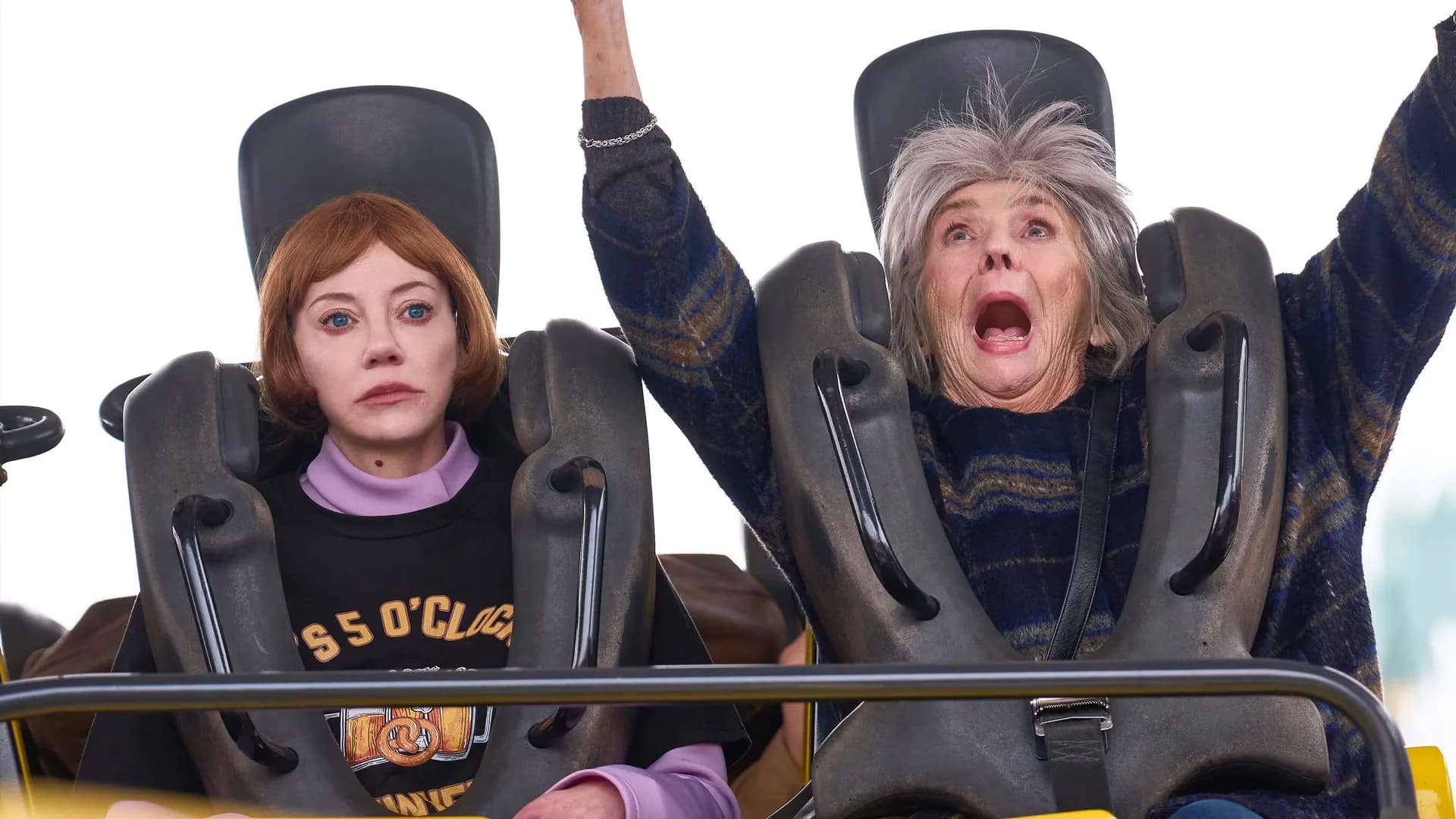
Ann Droid Renewed for Season 2 After Becoming BBC’s Biggest Hit of 2026
Ann Droid has been renewed for Season 2 after becoming the BBC’s biggest scripted launch of 2026 outside sports, with viewership that held through all six episodes. The show, starring Sue Johnston and Diane Morgan, follows an elderly widow and an outdated eldercare robot forming an unlikely bond in 2029. Its blend of deadpan humor and emotional depth has made it a surprise hit, particularly among
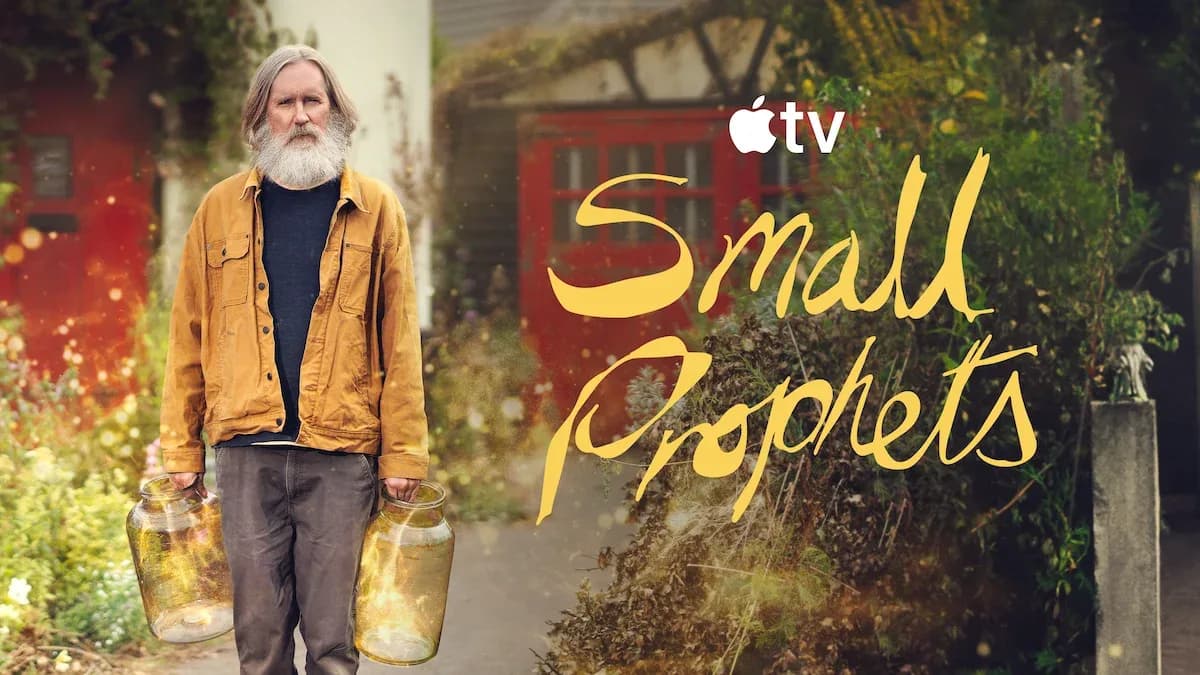
Small Prophets Renewed for Season 2 After UK Ratings Surge
The BBC confirmed Small Prophets' renewal in September, citing up to 9.2 million viewers in the UK. Season 2 will move from BBC Two to BBC One and premiere in 2027.
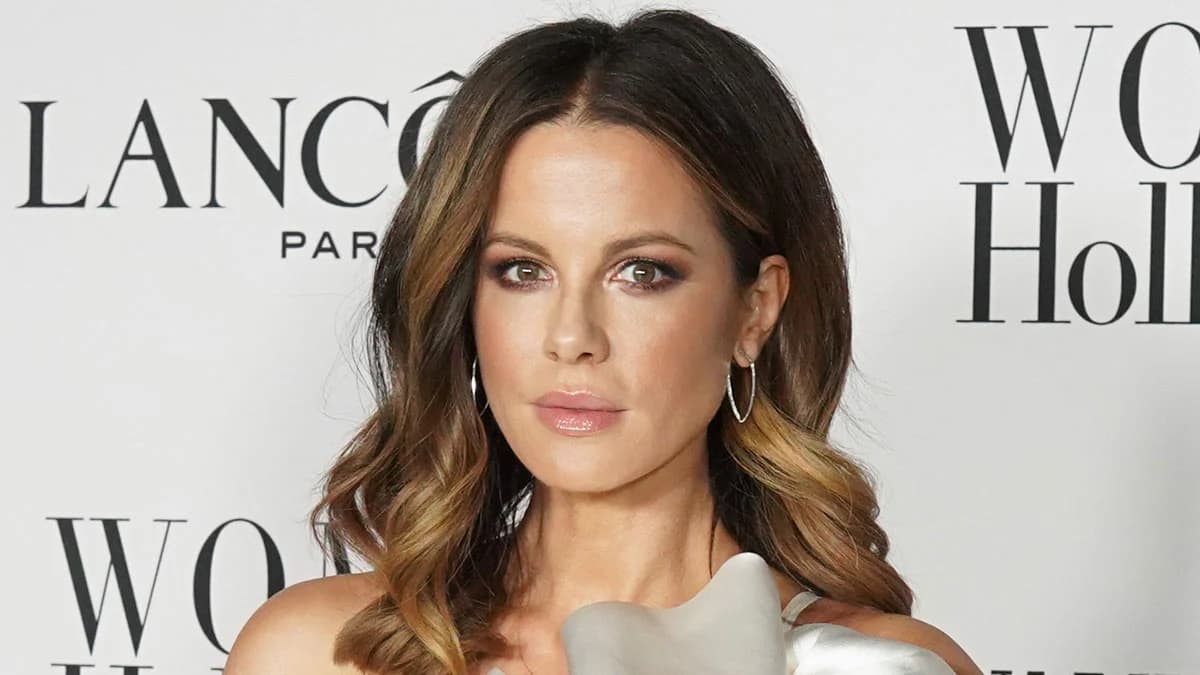
Kate Beckinsale Posts ‘I Give Up’ Message on Instagram
On September 20 Kate Beckinsale shared a bleak Instagram story ending with “I give up” and a plain “bye” image, while directing fans to a BBC piece on Caroline Flack’s 2020 death.
Be the first to comment
Join the argument. No password, just your email or a passkey.