Michelle Yeoh and Hunter Schafer anchor a visually dense, narratively murky sci-fi sequel that’s more atmosphere than action — but still worth the watch.
Prime Video dropped Blade Runner 2099 on Wednesday — eight episodes of slow-burning dread, neon-lit corridors, and a city that feels like it’s been forgotten by time. Set in 2099, it’s the second direct sequel to Ridley Scott’s 1982 original, though it shares only themes with Philip K. Dick’s source novel: memory, mortality, the line between man and machine.
No characters from the films appear. Just echoes. And a lot of rain-slicked concrete. The world is upside down now.
Humans are the underclass, forced into labour. Replicants run everything, or so the opening title card says. In practice, they’re just running the police force, hunting down human rebels with no visible plan beyond survival. The show’s central mystery?
A missing cop named Marek. Two women are after him. One’s a replicant blade runner. The other’s a human pretending to be one.
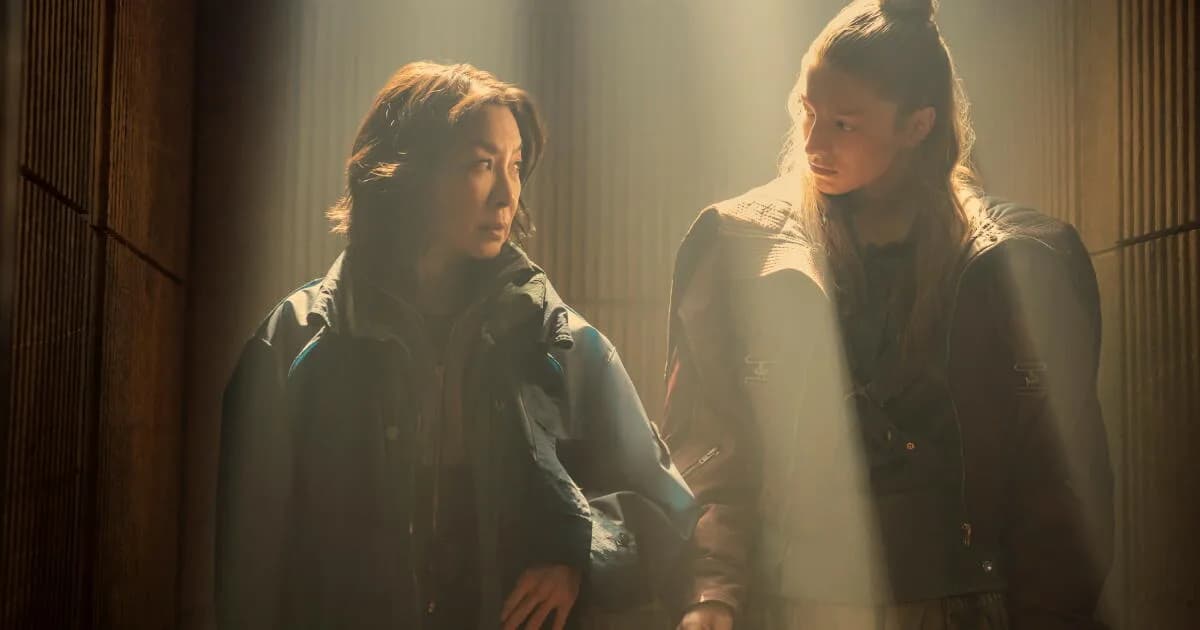
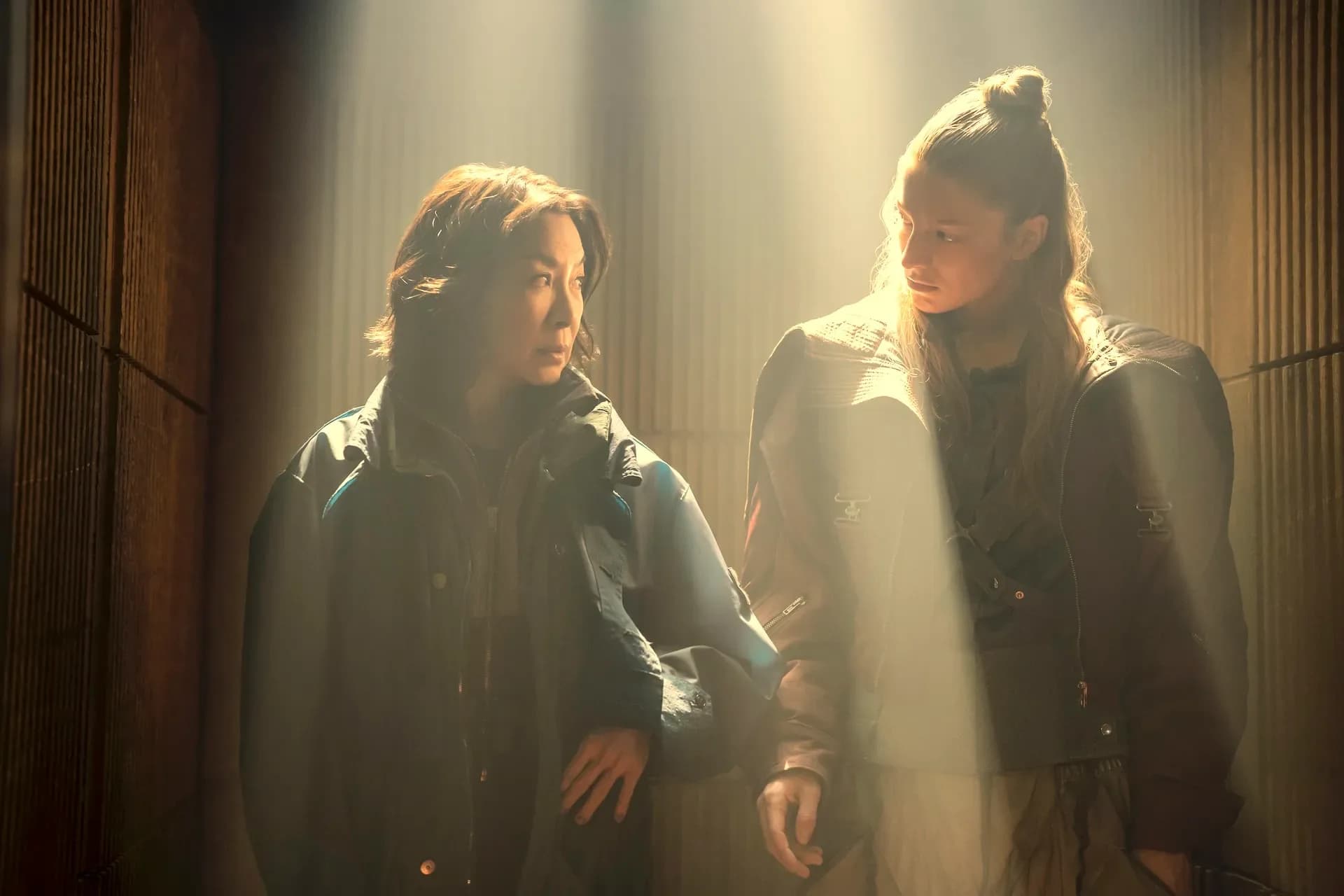
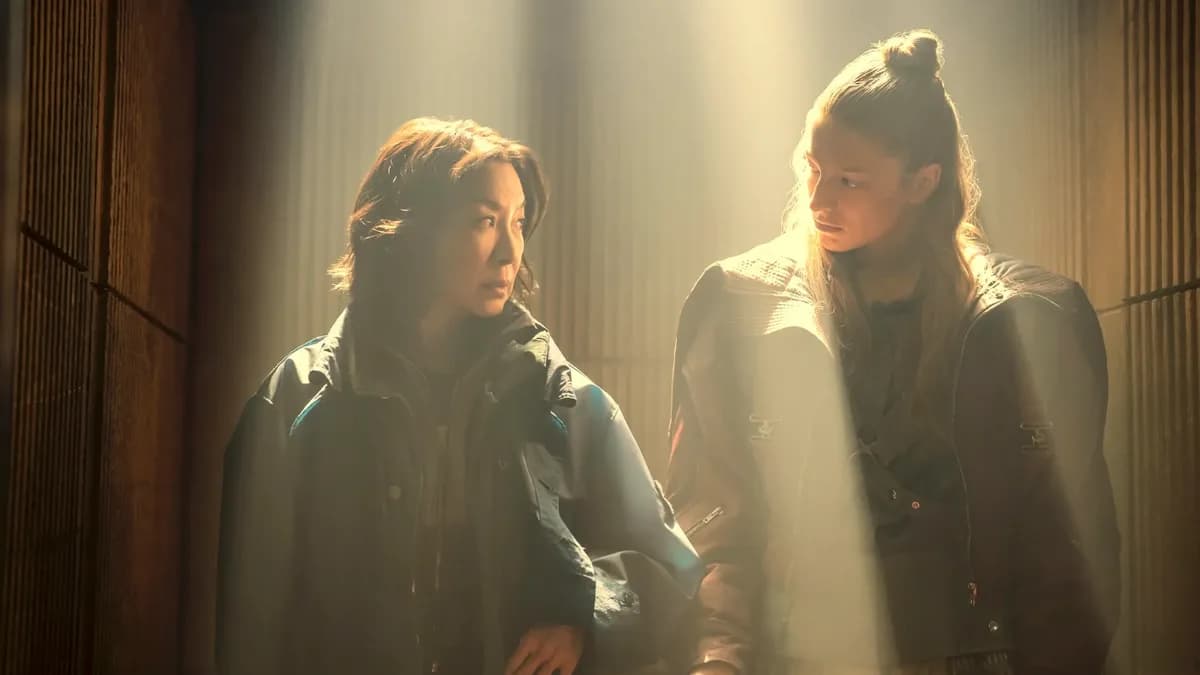
Michelle Yeoh plays Olwen, a replicant with a ticking clock. She’s stoic, sharp, draped in a long coat that makes her look like a shadow with purpose. Hunter Schafer is Cora, a human sister desperate to save her brother. Her performance is quiet, intense, a topknot, a wide coat, and a gaze that never blinks.
Their partnership is the only thing holding this series together. There’s no banter. No jokes. Just two women moving through a future that’s all angles and no warmth.
The pacing is deliberate. Scenes linger. Information leaks out in drips. Some moments feel like they’re designed to confuse, not for narrative effect, but because the story isn’t sure what it wants to say.
There are torture scenes. Shootouts. A marble with mysterious powers. A snake.
An origami bird. A Metrokab. And yes, the Bradbury Building, Union Station, the Million Dollar Theater, repurposed as police HQ. The L.A. We know is buried under Jenga-like towers.
The city looks like it was built by someone who forgot how to design buildings. The score is relentless. Electronic, hectoring. It’s loud when the violence hits.
Quieter when it doesn’t, then you hear Brian Eno’s Music for Airports, briefly, like a breath. It’s a reminder that even in this dystopia, beauty can slip through. The show’s biggest flaw? It’s too dark.
Too slow. Too many side plots that go nowhere. But here’s the thing: it’s saved by its leads. Yeoh brings gravitas without effort.
Schafer brings fire without flair. They don’t need to sell the story. They just need to be there. And they are.
So if you’re looking for a Blade Runner fix, something that feels like the old film but isn’t quite, this is it. Not perfect. Not fast. But alive.
And that’s enough. The next episode drops Friday. }



Be the first to comment
Join the argument. No password, just your email or a passkey.