David Fincher directs a Tarantino-scripted sequel that turns the enigmatic stuntman into a mythic, effortlessly cool figure — and leaves audiences wondering if he’s lost what made him compelling in the first place.
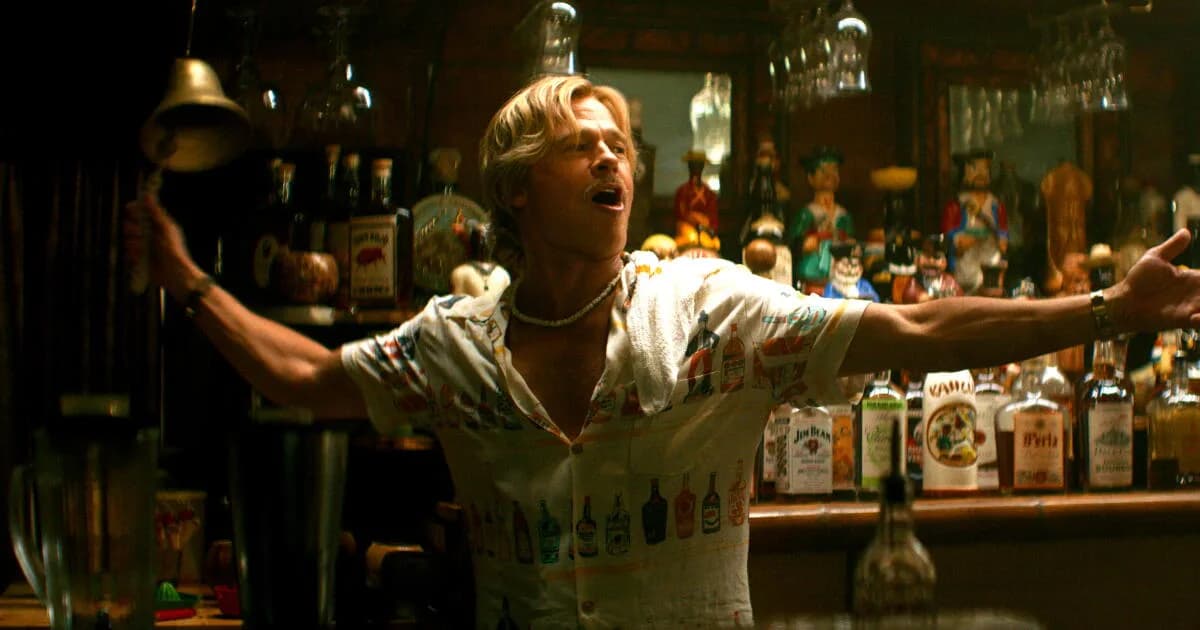
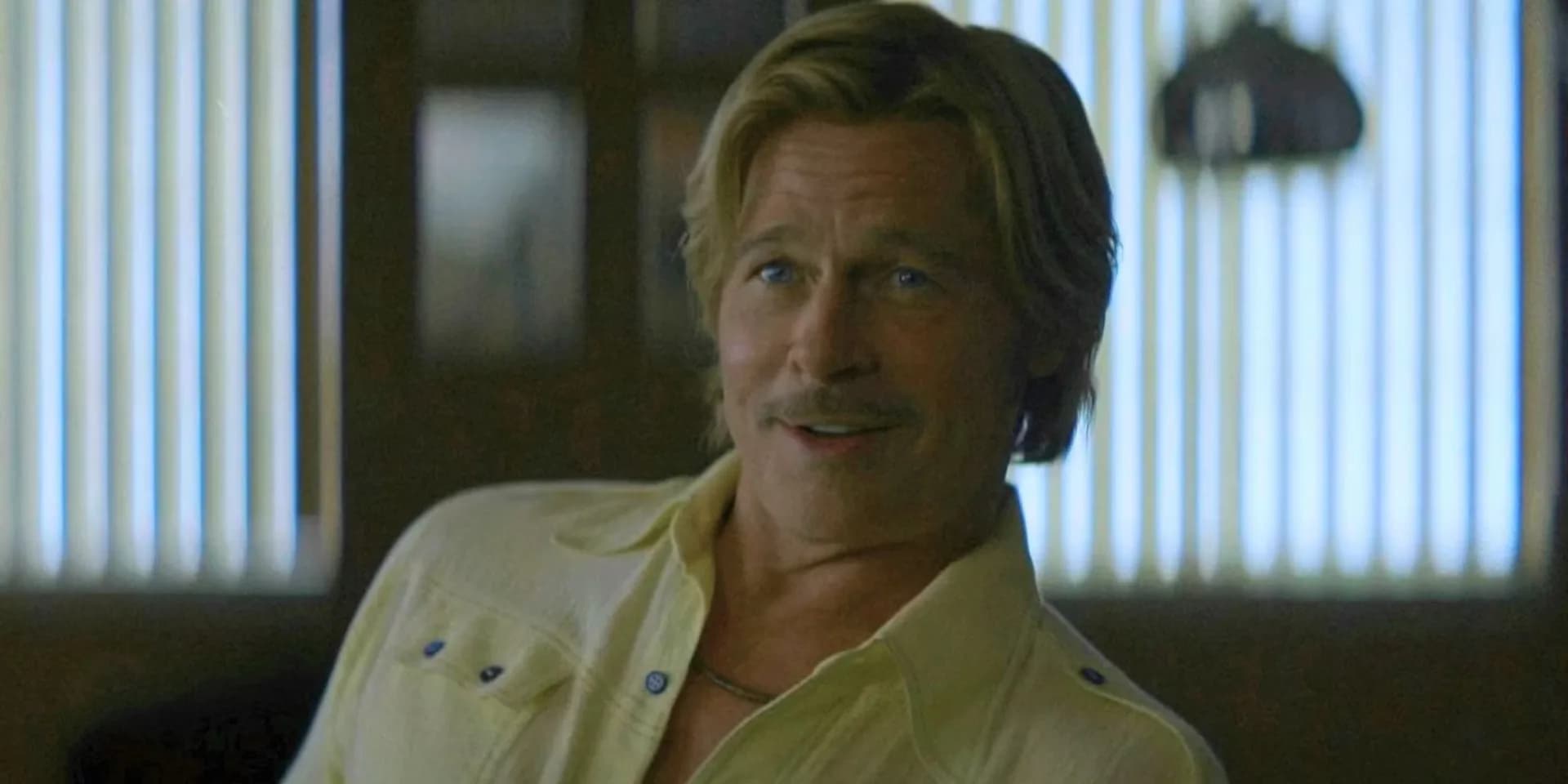
It’s 1977. Hollywood’s not dead yet, but it’s on life support. A single-screen theater in LA plays blaxploitation dreck with tinny sound and tired choreography. A man named Cliff Booth — played by Brad Pitt, who’s somehow both more famous and less defined than ever, watches it all from the projection booth.
He’s not here for the movie. He’s here because he has nowhere else to be. Or maybe he’s here because he’s always been here, just never noticed until now. That’s the premise of The Further Mis-Adventures of Cliff Booth, a film that feels less like a sequel and more like a fever dream stitched together from old Hollywood myths and modern nostalgia filters.
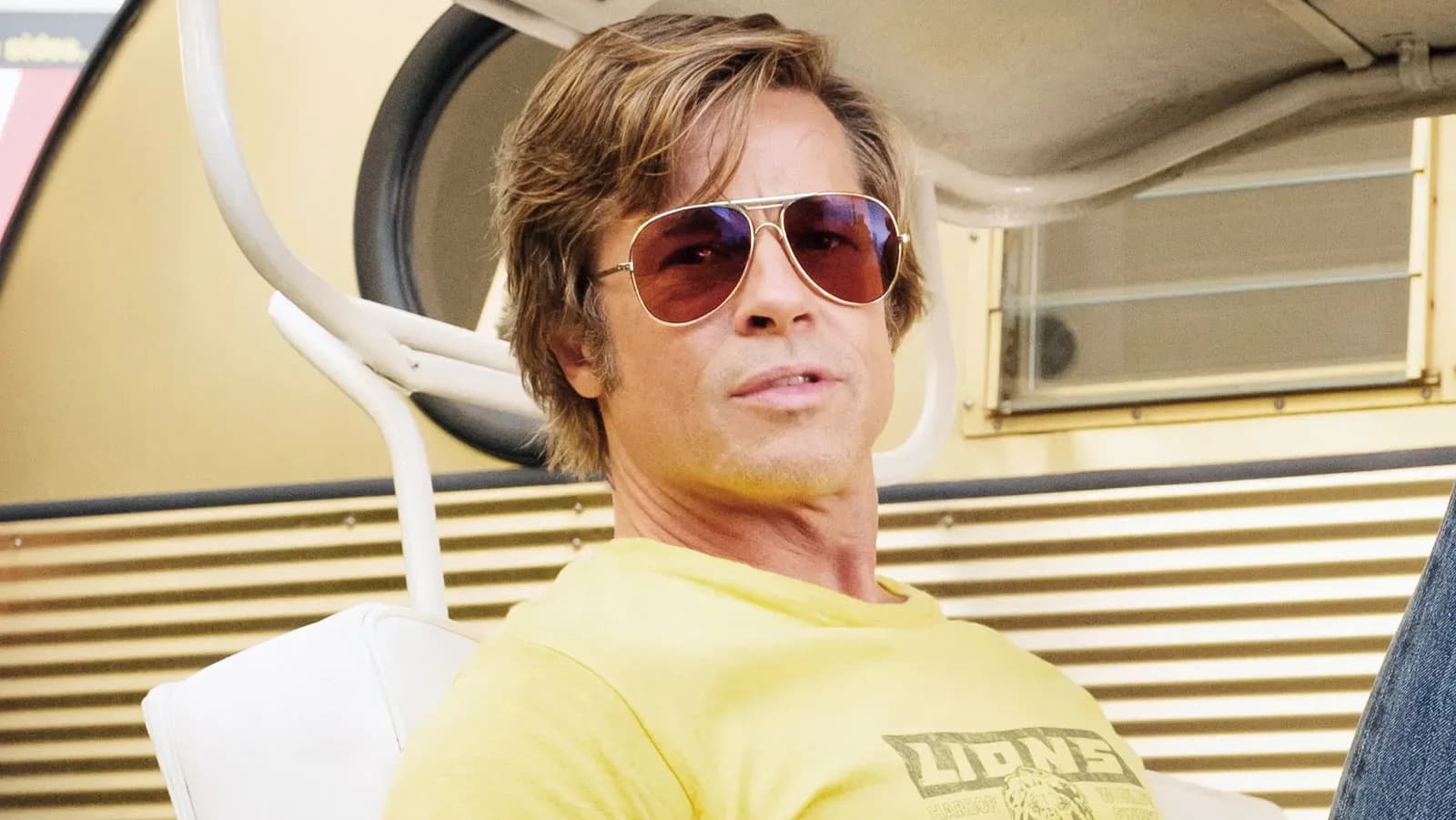
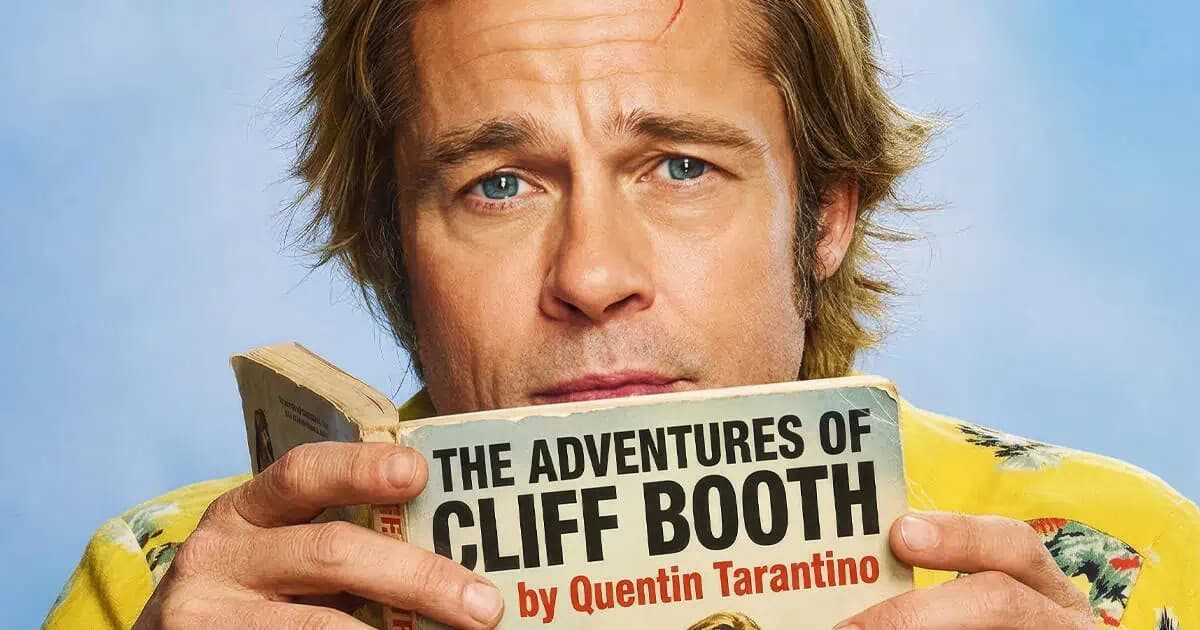
It’s directed by David Fincher, written by Quentin Tarantino, and stars Brad Pitt as Cliff Booth, the same man who once punched out Bruce Lee in a fight that was technically a draw, and then got fired for it. Back then, he was a contradiction: a loyal friend, a violent man, a failed actor with a past.
Now, he’s a legend without a backstory. The film opens with Pitt’s Cliff doing a favor, a bloody one, for a celebrity. Then another. And then… nothing.
The plot isn’t so much a thread as a series of set pieces: mud wrestling in Marina del Rey, tennis at Beverly Hills, a demolition derby in Carson. There’s a pair of thieves, two deadly brothers, a TV star with an ego the size of a studio lot, and Elizabeth Debicki as Karen Crosby, a film critic-turned-agent who knows better than to fall for him, but does anyway.
She’s not wrong. Cliff Booth is too smooth. Too calm. Too unbothered.
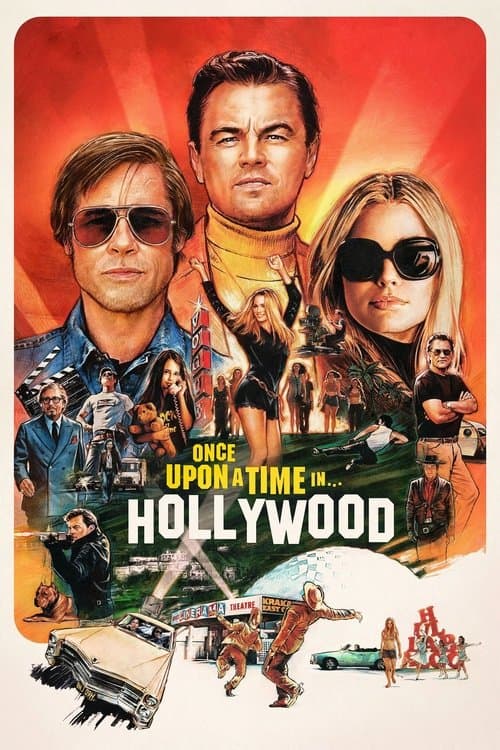
In Once Upon a Time … in Hollywood, his menace had weight. His violence felt earned. Here, it’s just part of his aura. He takes hits.
He gives them back. He laughs. He lives. He’s not even trying to stay relevant.
He’s already beyond it. That’s where the film stumbles. Tarantino’s script leans into the idea that Cliff is a relic, a man out of time, a ghost in a town that no longer needs him. But Fincher, the director known for precision, control, and a love of digital futures, doesn’t seem to believe in ghosts.
His camera lingers on details, the flicker of a projector, the grain of a film reel, but rarely on emotion. The result is a movie that looks like a museum exhibit of 1970s LA, but feels like a vacation from meaning. The film’s biggest irony? It’s about a man who used to matter to movies, and now, in this version, he’s become the kind of character only movies can make.
The audience is supposed to admire his cool. But cool isn’t enough. Not when the man beneath it is hollow. Pitt’s performance holds the thing together, as it always does.
He’s magnetic. He’s effortless. He makes you want to believe in Cliff Booth again. But the script doesn’t give him anything to believe in.
The film keeps asking us to accept that Cliff is still dangerous, still capable, still someone worth watching, but it never shows us why. The world around him changes. Star Wars is coming. New Hollywood is dying. The future is loud, fast, and bright.
But Cliff? He’s just… there. Unmoved. Untouched.
And that’s the real tragedy. Not that he’s forgotten. But that he’s been rewritten into something that doesn’t need to be remembered. The film ends with a shot of him walking down a beach at sunset, cigarette in hand, music playing, not the song from the original, but something else entirely.
No explanation. No closure. Just a man who’s lived long enough to outlast everything. Even himself.
So what happens next? The film doesn’t say. But the question lingers: if Cliff Booth is no longer a man with a past, what’s left to do with him? The answer might be simple.
Nothing. And that’s the most unsettling thing of all.
Be the first to comment
Join the argument. No password, just your email or a passkey.