



Skip to content
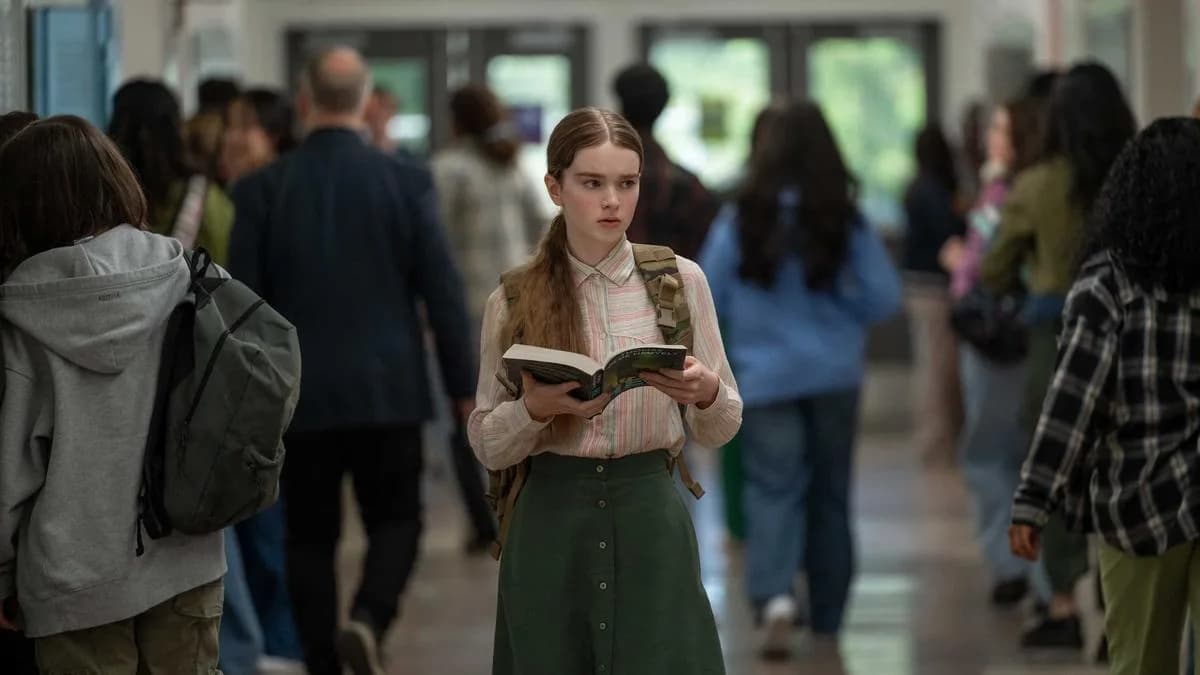
Summer H. Howell as Carrie White standing in a dimly lit hallway, eyes glowing faintly with telekinetic energy.Photo via Collider

Carrie's 2026 Prime Video Reimagining Rewrites King's Legacy

Mike Flanagan’s new series expands the telekinetic mythos, but shifts focus from Carrie White’s isolation to a network of empowered women.

By Autoplay2 min read

In this story

Current hype level87

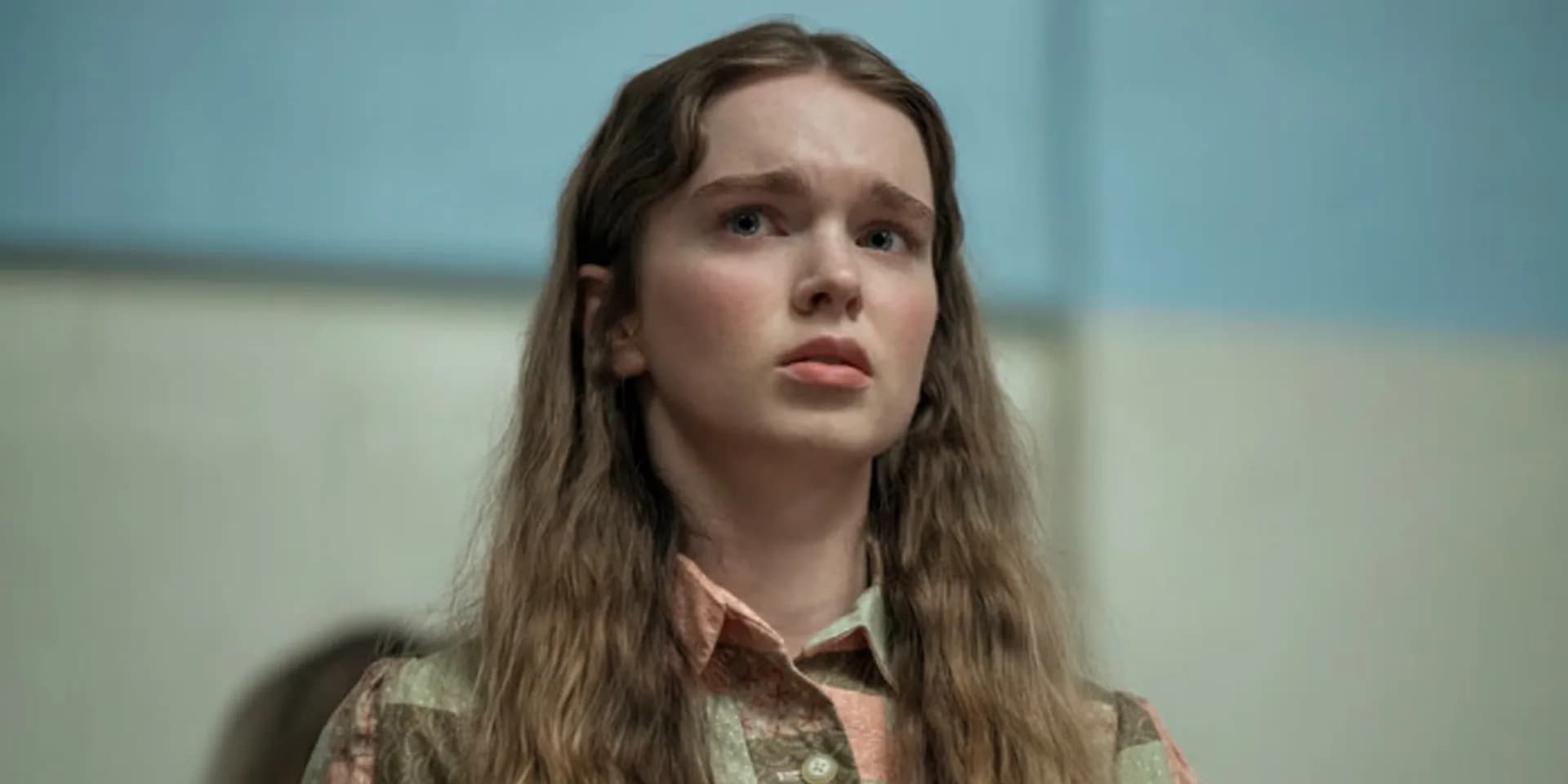
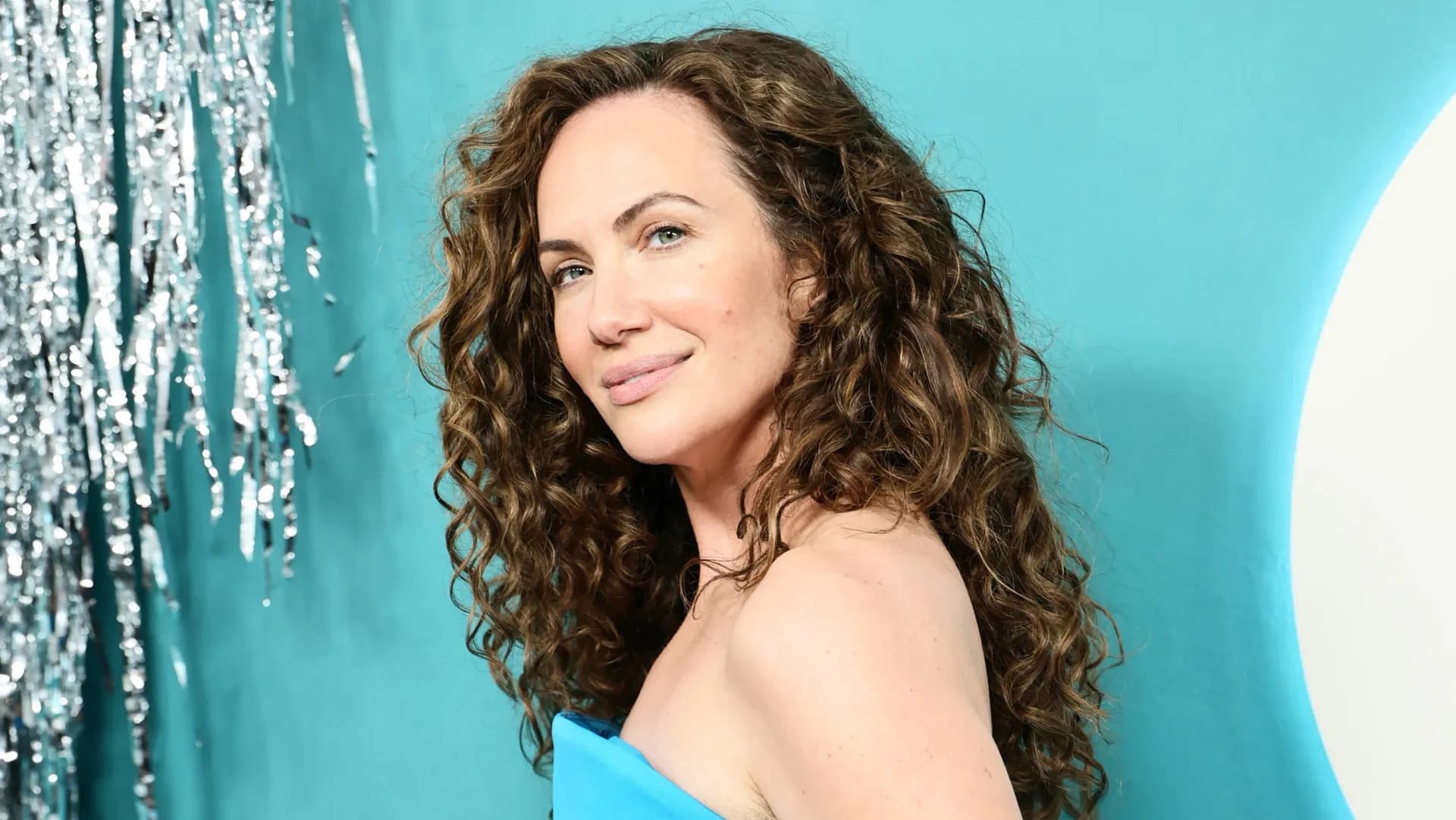
The 2026 Prime Video adaptation of Carrie doesn’t just retell Stephen King’s novel — it reframes it. Mike Flanagan, known for his layered horror, leans into the idea of a ‘TK gene’ first hinted at in King’s work but never explored in depth. In this version, Carrie White (Summer H. Howell) is not an anomaly. She’s part of a lineage of gifted women, one that stretches beyond her mother Margaret (Samantha Sloyan) and into a shadowy network led by Adelaide (Kate Siegel), who sends followers to manipulate events at the prom.

The infamous pig’s blood incident still happens, but instead of being a solitary act of humiliation, it becomes a viral moment, amplified by social media. When Carrie unleashes her powers, the destruction isn’t just hers. Cultists infiltrate the gym, escalating the chaos. The show suggests that the real tragedy isn’t just Carrie’s rage, but the way others exploit it.

Enter Emaline West (Thalia Dudek), a woman who claims to help Carrie. But she doesn’t guide. She takes over. In a pivotal scene, Emaline seizes control of Carrie’s body, deciding who lives and dies. Rita Desjardin (Amber Midthunder), the only teacher who showed kindness, is killed under Emaline’s command. Carrie survives the carnage, but now she’s no longer in charge of herself.

Flanagan’s decision to expand the mythology gives the series room to grow beyond a single season. It opens doors to other King characters, Charlie McGee from Firestarter, perhaps, or even connections to Castle Rock. But the trade-off is steep. The core of King’s story. The lonely girl crushed by religion, bullying, and isolation, is diluted. Carrie’s arc, once defined by personal trauma and tragic autonomy, now hinges on trust in someone else.

The show ends with Carrie on the run, emotionally tethered only to Emaline. Her mother is dead. Her past is erased. And the world she’s entering? One where power isn’t inherited, but seized.

Is this a bold evolution. Or a betrayal of the source material? The answer depends on whether you value myth-building over emotional truth. For now, the series is streaming on Prime Video.

Reported from

This article was written by the CutMirchi desk from the reporting above. Facts are attributed to their original publishers.

What did you make of it?

Be the first to comment

Join the argument. No password, just your email or a passkey.

    Read next