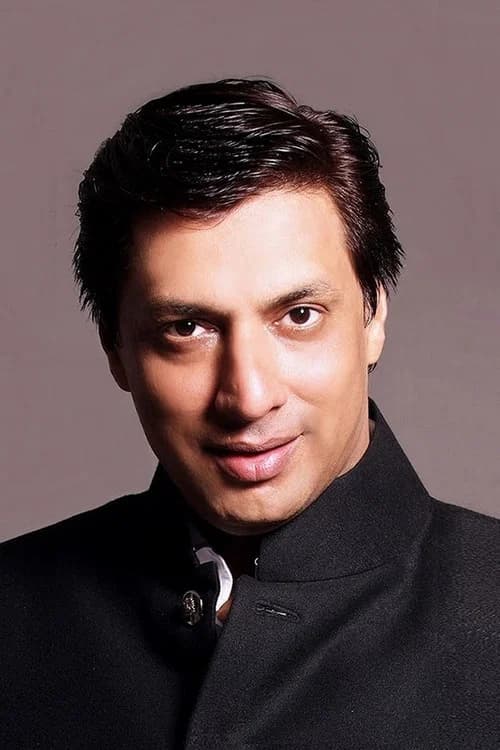
Madhur Bhandarkar's 2001 drama about a bar dancer's stolen future approaches its silver jubilee just as talk of a sequel starring Tabu and possibly Katrina Kaif starts doing the rounds.
Chandni Bar turns 25 on September 28, and it still doesn't feel like a period piece. That's the uncomfortable thing about Madhur Bhandarkar's 2001 film. Watch it now and the beer bar might as well be down the road.
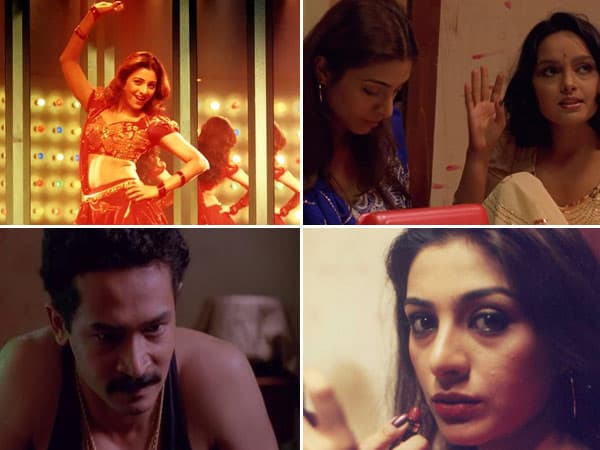
Tabu plays Mumtaz, seventeen when the film picks her up, already an orphan of communal riots, already handed off to an uncle who can't be trusted with her. A relative named Iqbal, played by Rajpal Yadav, gets her a job dancing at a Bombay bar. She doesn't want it. She doesn't have a version of her life where she gets to want anything else.
That's really the film's whole argument. Choice is a word that only means something once you've already got money, caste, a family that isn't falling apart. Mumtaz has none of that, so every door that opens for her opens into a smaller room. Bhandarkar shoots the bar and the slum with the same cramped, underlit camera, and the effect creeps up on you. You start to feel trapped along with her.
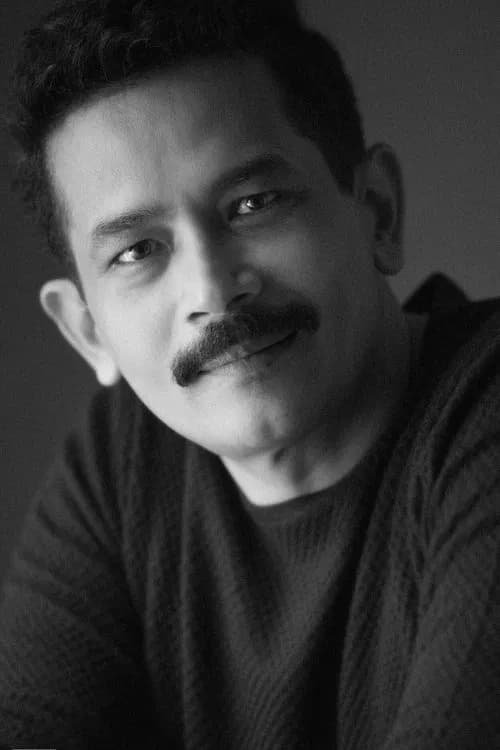
The uncle assaults her. She keeps dancing anyway, to old item numbers that used to be fun and now aren't, because the context has curdled the music. For a while the bar is the one place she has any power at all, calling the shots over men too lonely and too drunk to notice they're being played. Then Potya, played by Atul Kulkarni, walks in and that illusion ends fast.
Potya kills the uncle, marries Mumtaz, gives her two kids and a version of stability that comes with its own rot, casual infidelity, constant police attention, and eventually a death by torture in a forest that the film doesn't dress up as anything but what it is. Their son Abhay gets swept up by cops later for keeping the wrong company, is assaulted in custody, and the only way out is a bribe Mumtaz can't raise except by selling herself. She comes home from that to find her own daughter dressed for the same bar. The cycle doesn't skip a generation. It doesn't even try.
Tabu carries all of it without over-explaining any of it, which is the harder trick. Her Mumtaz doesn't perform grief for the camera. She just absorbs it, scene after scene, until the line she says near the end lands like a verdict rather than a confession, that she wanted to see her tomorrow in her children and instead saw only her own past.
Twenty five years on, that line hasn't aged out of relevance, which is either a compliment to Bhandarkar's filmmaking or an indictment of everything else. Probably both.
And there's fresh chatter to go with the anniversary. Filmfare has reported speculation around a possible Chandni Bar sequel, with questions swirling over whether Katrina Kaif might join Tabu on screen. Nothing's confirmed. But the timing, right as the original heads toward its 25th year, isn't nothing either.




Be the first to comment
Join the argument. No password, just your email or a passkey.