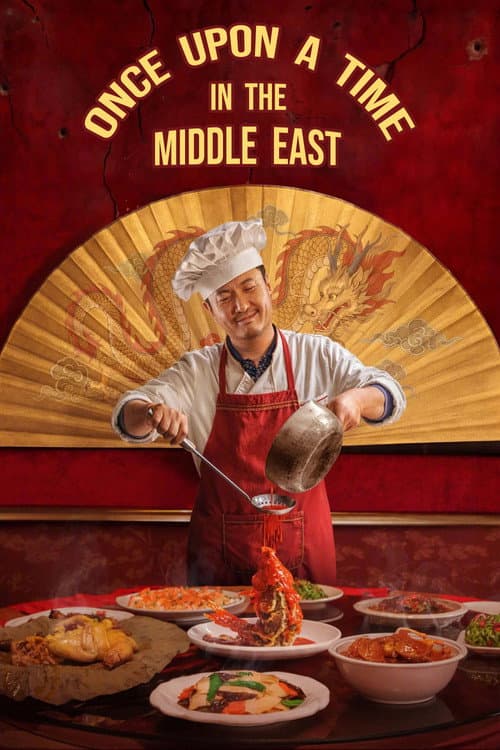
Shen Teng leads Once Upon a Time in the Middle East, China’s Oscar entry, as a chef who turns his restaurant into a refuge during war. The film, already a hit in China, debuts in US theatres on October 9.
Once Upon a Time in the Middle East, China’s official submission for the Best International Feature Film category at the 2027 Oscars, arrives in US theatres this Friday, October 9, under the banner of Well Go USA. The film, already a commercial and critical success in China where it premiered in August 2026, is directed by Wen Muye — known for Dying to Survive and Nice View, and written by Wen Muye, Lang Qunli, and Wei Zhong.
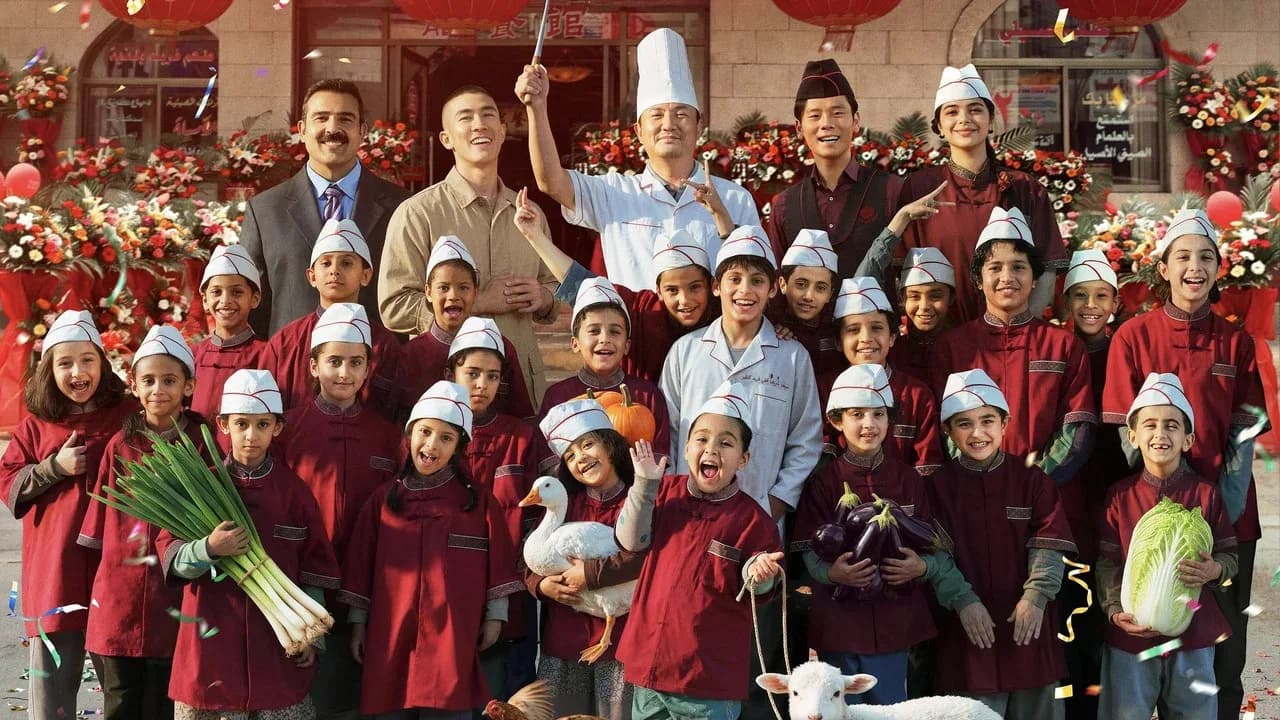
It’s produced by Ning Hao and Mohamed Osama. The story centres on Xu Fu, a chef played by one of China’s most prominent comedic actors, Shen Teng, who travels to the fictional Middle Eastern city of Bahata seeking a fresh start to repay family debts. Alongside Ma Junsheng, the restaurant manager, he transforms a struggling Dragon Restaurant into a thriving enterprise.
But when war erupts. With the United States depicted as the aggressor, their hard-won stability collapses. Xu Fu then turns the restaurant into a refuge for orphans and civilians caught in the crossfire, risking everything to protect his community. The film’s emotional core lies not in battle scenes but in quiet acts of resistance: serving meals, offering shelter, preserving dignity.
The full cast includes Jiang Qiming, Omar Sharif, Aarif Lee Zhi-ting, and Sherif Sabby. FirstShowing.net reports that the original Mandarin title, 欢迎来龙餐馆 (Welcome to the Loong Restaurant), shows the film’s blend of warmth and irony. While most war films focus on combat and heroism, this one presents a different kind of courage.
The resilience of ordinary people through food, memory, and connection. The US trailer, released on October 7, features the line “All I wanted to do was go home,” which has since become a viral moment across social media. Online reactions range from admiration for its humane message to skepticism about its political framing.
Some viewers question whether the film’s portrayal of the US as villainous undermines its universal appeal. Others argue it’s simply a story about survival, told through the lens of cultural displacement. No Indian release date has been announced. The film’s journey from Chinese screens to global attention, via an Oscar bid and a US theatrical rollout.
Marks a rare instance of a mainland Chinese film receiving wide Western distribution without being marketed as a genre piece. Its reception will be watched closely, not just for box office potential, but for how audiences outside China interpret its layered narrative. The next step? A screening in New York on October 10, followed by wider rollouts in major cities.
Whether it lands as a poignant parable or a pointed statement remains to be seen.





Be the first to comment
Join the argument. No password, just your email or a passkey.