Watkins tells ScreenRant how he shot the moment Matt Hagen's nanite transformation turns intimate, swapping actors in and out of a hospital bed to blur the line between science and seduction.
Gotham got its latest villain origin story this year, and the director behind it is finally explaining how its strangest scene came together.
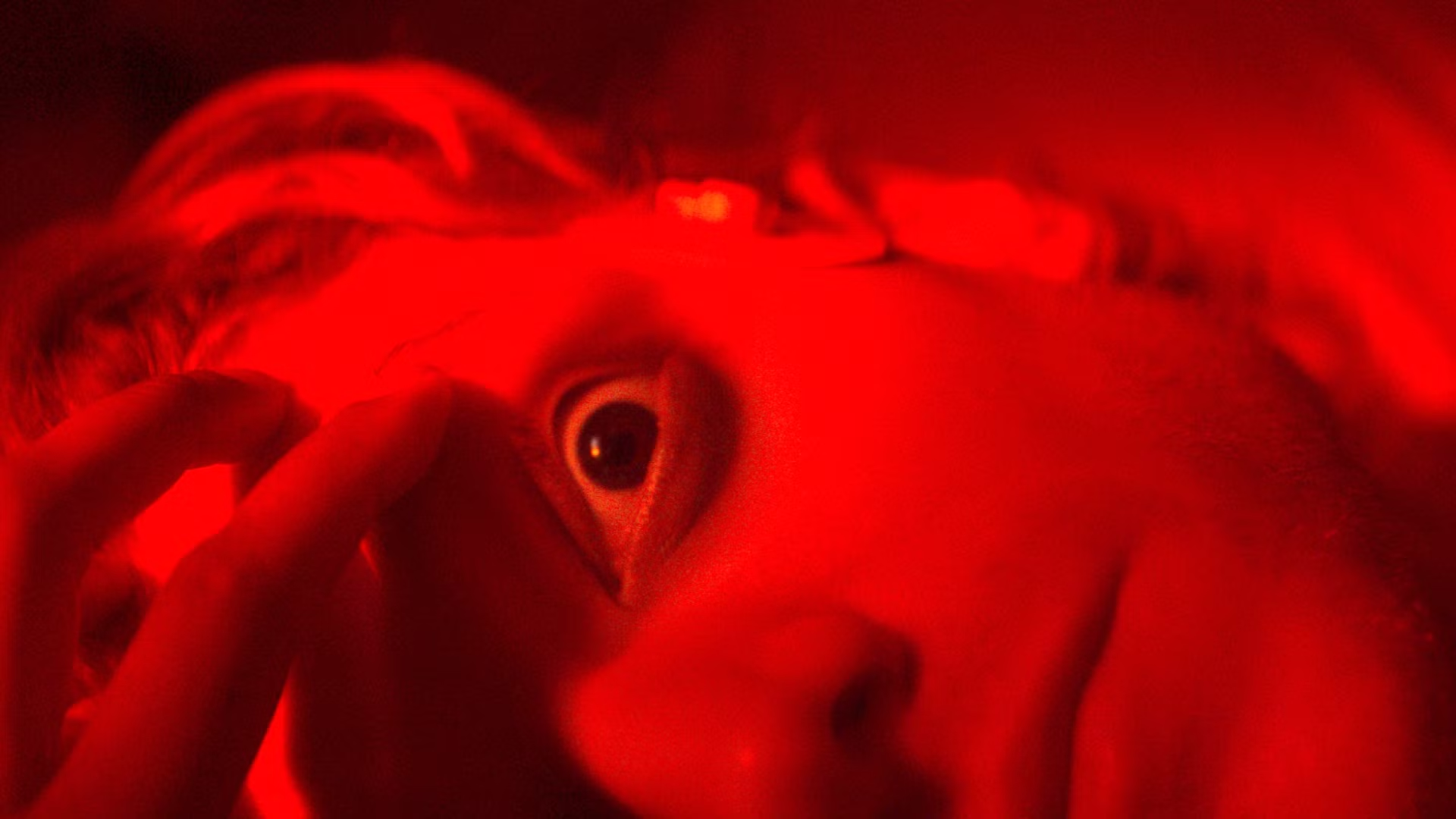
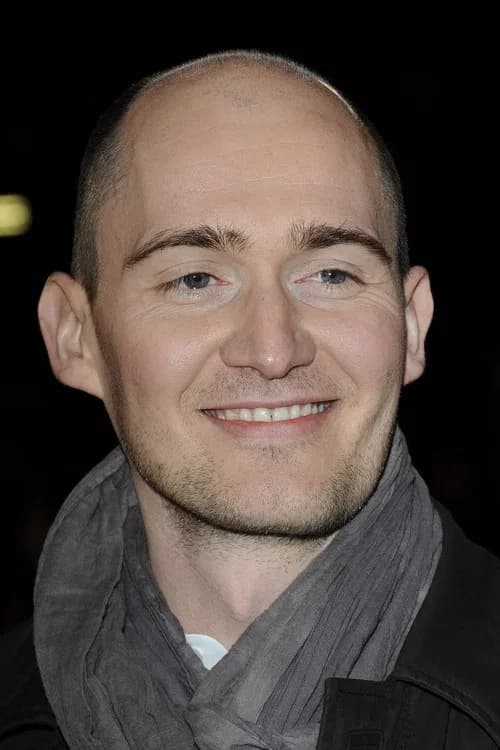
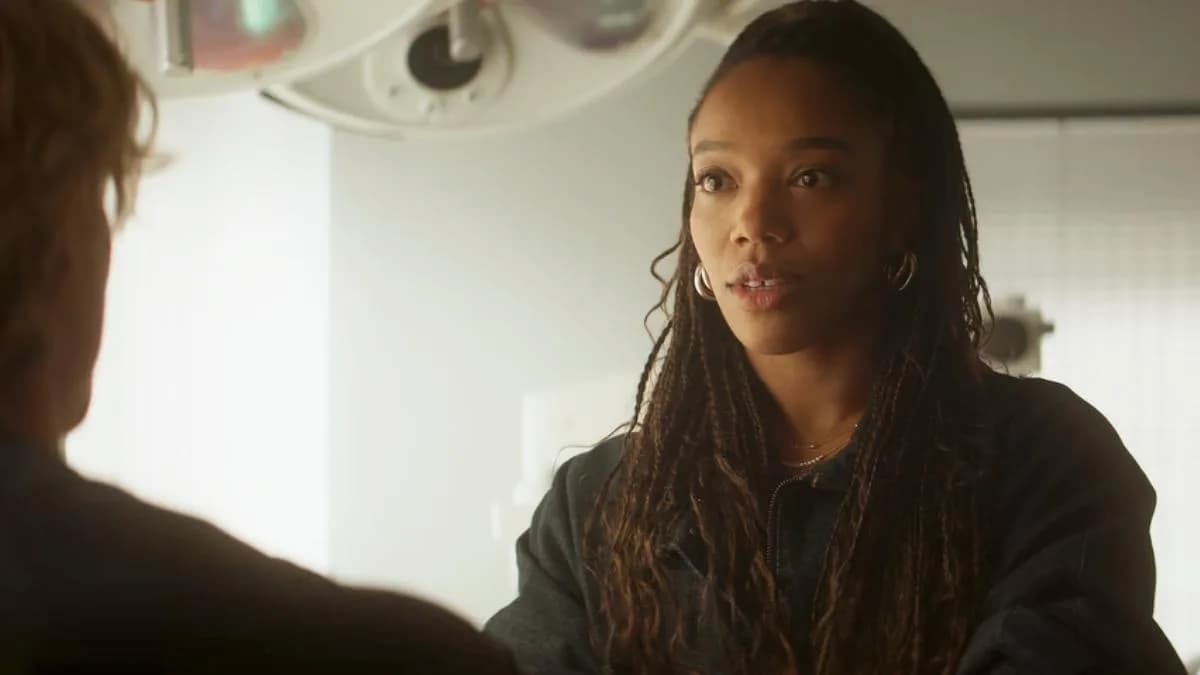
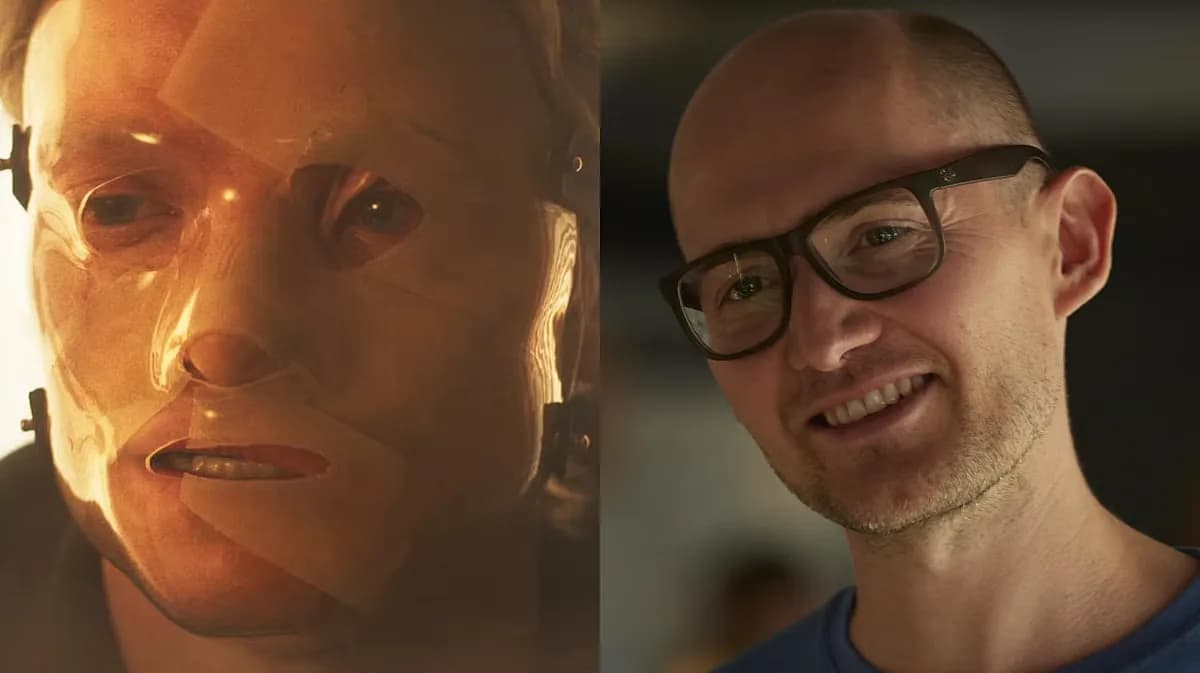
James Watkins, who directed Clayface for DC Studios, sat down with ScreenRant's Andy Behbakht to walk through a sequence he calls one of the film's most emotionally loaded. It's the moment Dr. Caitlyn Corr, played by Naomi Ackie, watches Matt Hagen, played by Tom Rhys Harries, while he sleeps through his nanite treatment, the process that eventually turns him into Batman's shape-shifting foe.
Watkins doesn't dress it up as a straightforward lab scene. He described it to ScreenRant as having a "weird psychosexual tone," built around a question the film keeps circling back to.
Scientist or something else
"Is she a scientist? How much is she viewing him as a scientist? How much is she viewing him as a woman?" Watkins said, describing Matt as Caitlyn's project and the dynamic between them as a kind of transference. He wanted the scene to sit in that uncertainty rather than resolve it, pushing the audience to lean in and ask, in his words, whether they should even be watching.
The shoot itself sounds almost theatrical in its restraint. According to Watkins, the crew filmed multiple versions of the bed and chair setup, sometimes with Ackie alone in the chair, sometimes with both actors in frame, and at points with Harries lying just out of camera view so his hand could creep into shot. Each actor mirrored the other's movements take after take, so editor Jon Harris could blend the footage together in post, an old-school dissolve technique rather than a CGI-driven one.
"When you're merging from skin to skin or an eye to an eye," Watkins said, VFX came in only as a thin layer over what was shot practically. He wanted the base to stay grounded, letting the fluidity do the unsettling work rather than effects.
A Hitchcock influence, out loud
Watkins name-checked Alfred Hitchcock directly, saying he aimed for the same kind of audience participation Hitchcock built into his thrillers, the sense of being implicated in what you're watching. He worked closely with composer Volker Bertelmann to keep the score hypnotic rather than instructive, so the music never tells viewers how to feel about the scene.
By the time Clayface reaches its ending, Caitlyn has shut down her research facility and Matt has vanished in his monstrous new form, the two of them left on opposite sides of whatever happened between them. Watkins hasn't said where the character goes from here, and Clayface's place in DC Studios' Chapter 1 slate, under James Gunn and Peter Safran, means that's still an open question for Gotham's next chapter.
For now, the scene stands as the clearest example of how deliberately Watkins built ambiguity into a villain origin story that could easily have played it straight.




Be the first to comment
Join the argument. No password, just your email or a passkey.