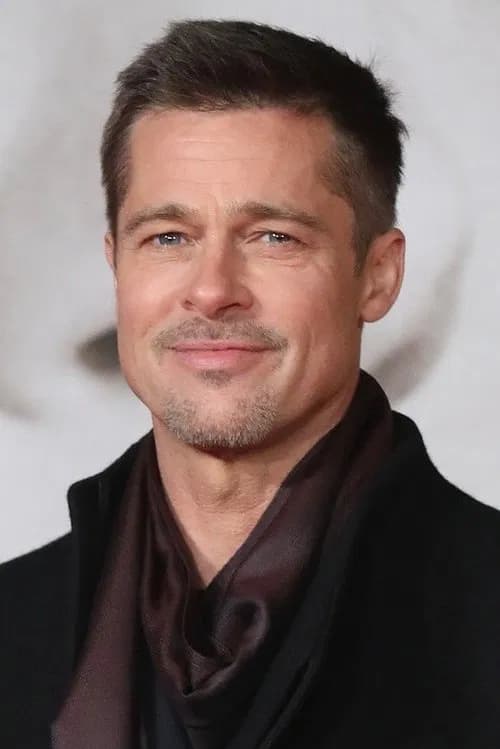
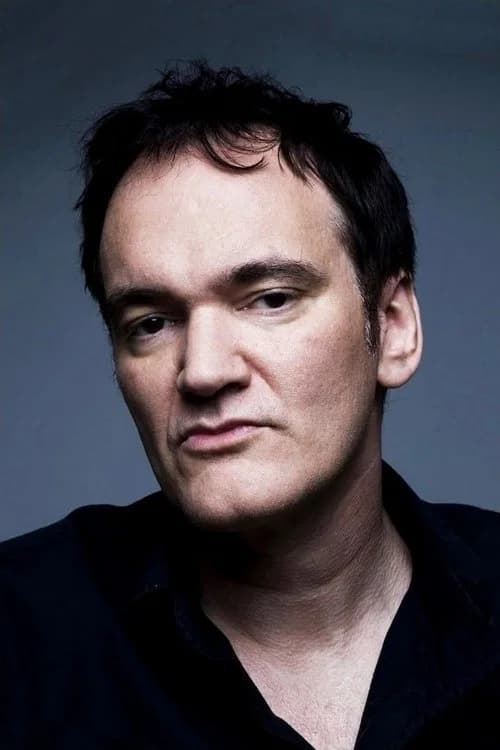
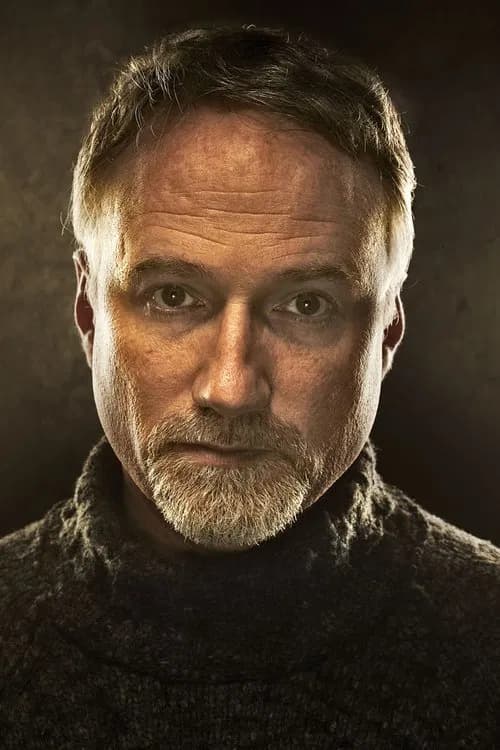
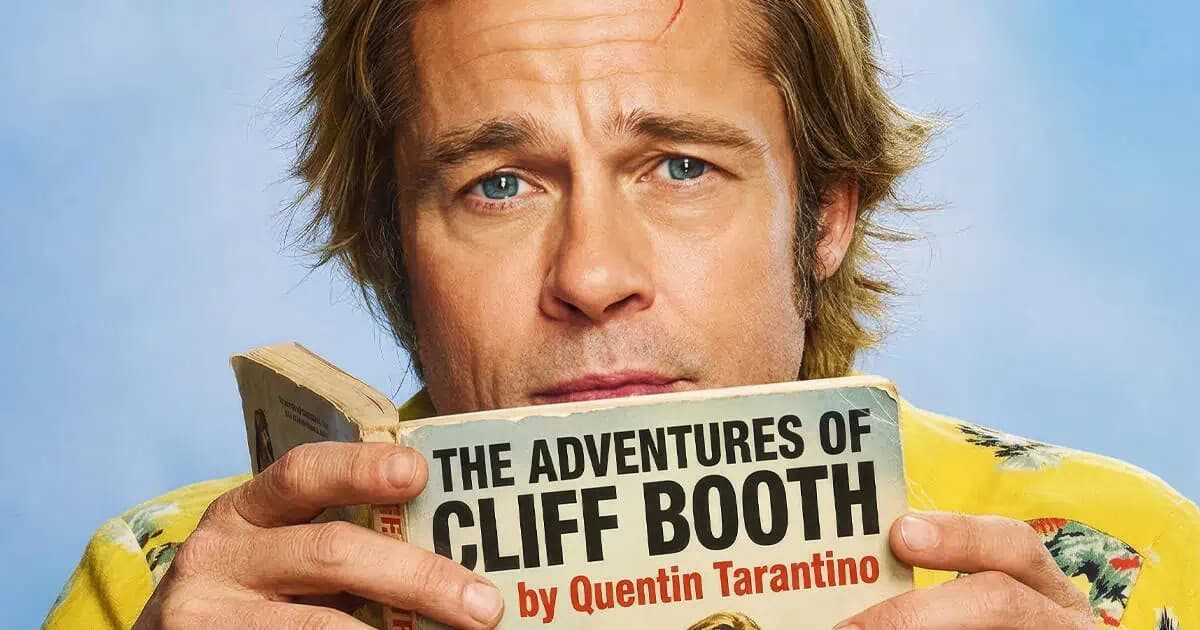
Quentin Tarantino and David Fincher’s latest, The Further Mis-Adventures of Cliff Booth, hits theaters today — and with it, a storm over AI use that’s already turning into a full-blown industry debate.
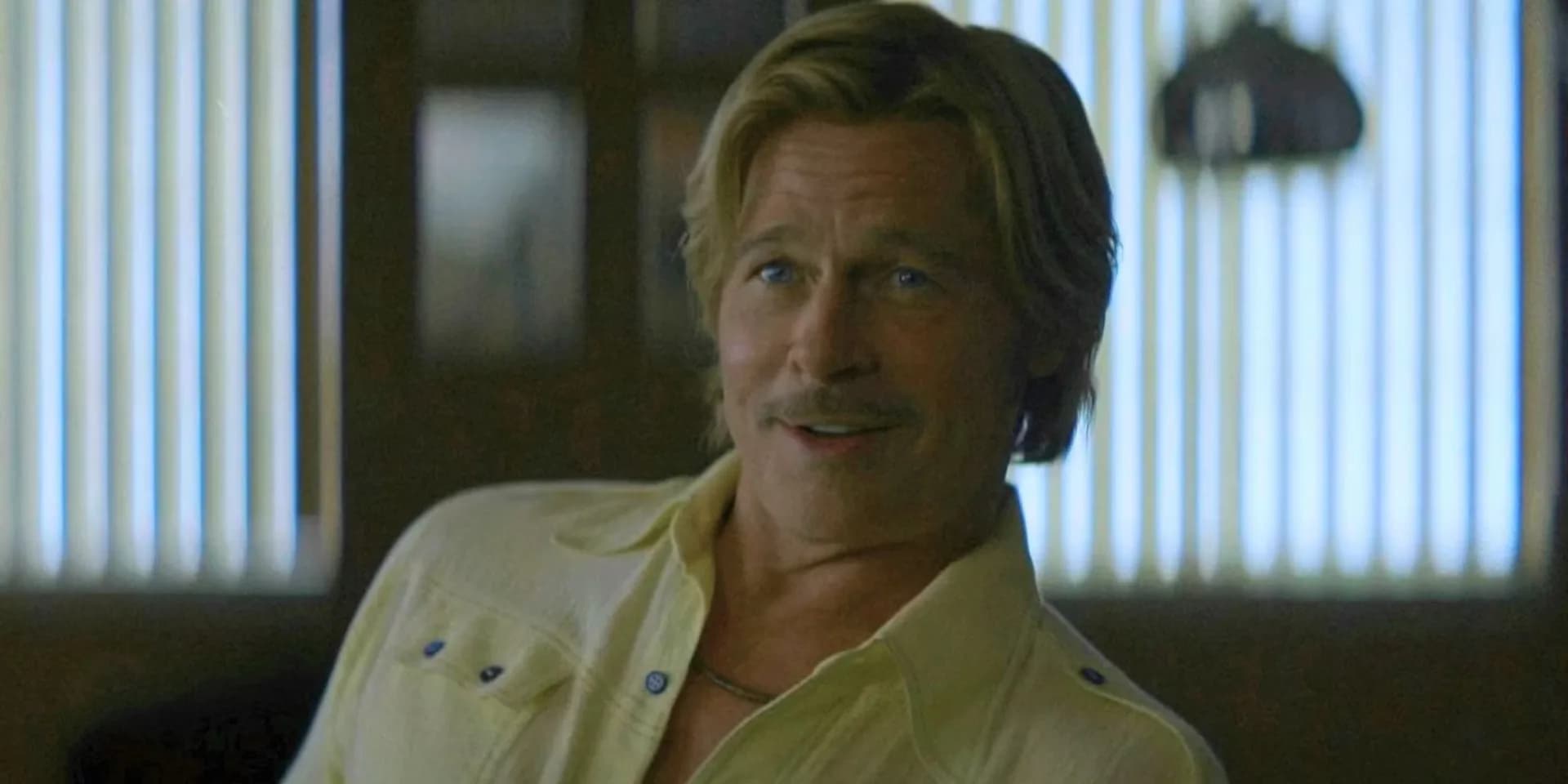
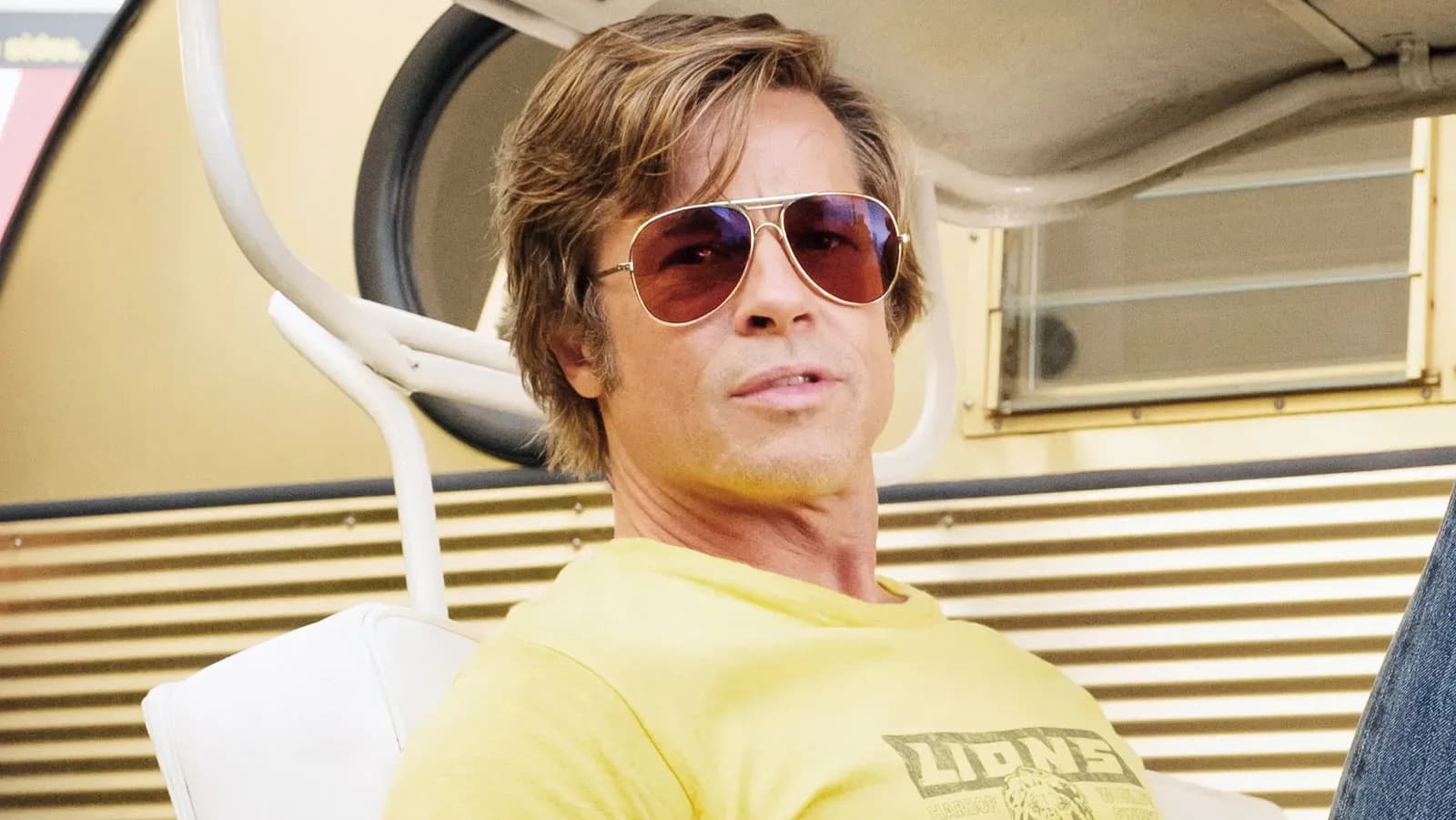
It’s out. The Further Mis-Adventures of Cliff Booth is in cinemas. Brad Pitt’s Cliff Booth — cool, haunted, effortlessly lethal, walks into frame like he never left Hollywood. And yet, the moment the credits roll, the internet isn’t talking about him.
It’s screaming about AI. Not the kind that powers chatbots or deepfakes. This one’s on screen. In the film.
On purpose. And apparently, that’s enough to turn half the audience against it. Letterboxd is flooded with half-star reviews. ‘The AI use is revolting,’ one says.
Another: ‘Zodiac took two years. This took two prompts.’ The Rotten Tomatoes audience score? Still crawling. No surprise there.
The backlash isn’t just loud. It’s personal. Fans who once praised Tarantino’s careful craft now accuse him of handing over his vision to algorithms. But here’s what the director and Fincher won’t say outright: they used AI not to replace actors, but to fix them.
To stitch together takes. To sync lip movements after reshoots. As Fincher told Sean Fennessey, it wasn’t chiseling marble. It was working with plasticine.
That line alone should’ve been the headline. Instead, people are fixating on the fictional TV clips, the ones from Charlie Peters’ old show, played by Scott Caan. They’re rough. Unpolished.
A little too smooth in places. But they weren’t meant to be perfect. They were supposed to feel like lost ’70s footage. Like something you’d find on a dusty VHS tape at a flea market.
And honestly? They did. The same way DiCaprio’s Rick Dalton looked fake in The Great Escape, because he was. Because that was the point.
The AI didn’t ruin the illusion. It helped build it. So why the fury? Maybe because this isn’t just any movie.
It’s a Tarantino joint. It’s a Fincher collaboration. It’s a sequel to Once Upon a Time in Hollywood, a film that felt like a love letter to cinema itself. When you hand that kind of reverence over to machine learning, even slightly, it feels like sacrilege.
But let’s be honest: Ben Affleck’s Animals had far more obvious AI work. Nobody cared then. Why now? Because the stakes feel higher.
Because the genre is tired. Because audiences are exhausted. And because when a film like this, adult, risky, R-rated, comes out, every flaw gets magnified. The truth?
The AI doesn’t dominate the film. It’s in the margins. In the corners. In the moments where a voice doesn’t quite match a face.
And even then, it’s barely noticeable unless you’re looking for it. The rest? Pitt’s performance. The pacing.
The dialogue. The violence. All human. All raw.
All Tarantino. So yes, the backlash is real. And yes, it’s disproportionate. But that’s not the story.
The real story is this: we’re no longer judging movies by whether they move us. We’re judging them by whether they were made by humans. And that’s a problem. Because if we keep doing this, we’ll end up with nothing but nostalgia.
Nothing but tradition. Nothing but films that look exactly like the last ones. Which is the opposite of what Tarantino and Fincher were trying to do. They wanted to push.
To stretch. To break things. Even if it means using a tool that some still call a sin. The film streams on Netflix December 23.
The argument? That’s already started. And it’s only going to get louder.
Be the first to comment
Join the argument. No password, just your email or a passkey.