
Crouching Tiger, Hidden Dragon is streaming on Prime Video — and it’s not just a rewatch. It’s a reminder of how much the world of action cinema changed after its release. The 2000 film, which won four Oscars including Best Foreign Language Film, arrived in the United States at a time when martial arts movies were largely dismissed as niche or lowbrow. In the 1970s, American audiences had been exposed to the genre mostly through grindhouse screenings or late-night TV, with Bruce Lee’s legacy overshadowed by his untimely death before Enter the Dragon’s release. After him, Chuck Norris became the face of American kung fu, a figurehead for B-movies ranging from forgettable to gloriously absurd. Steven Seagal and Jean-Claude Van Damme followed, bringing aikido and splits into mainstream action, but rarely grace. Meanwhile, Hong Kong was producing masterpieces: Jackie Chan’s acrobatic brilliance, Sammo Hung’s choreography, Jet Li’s intensity, Michelle Yeoh’s command. Yet these films were largely ignored by U.S. Distributors, even as their influence seeped into underground circles via VHS tapes sold by Tai Seng Video Marketing. When New Line and Miramax finally acquired rights to some of Chan’s best work, they still failed to convey the depth of the original material. The true leap came with Ang Lee’s film. A cinematic revelation that redefined what action could be. It wasn’t just about violence. It was about silence between breaths, weight in every movement, poetry in flight. /Film recounts the opening night in New York City: a packed house of older, affluent viewers who’d likely looked down on martial arts films for years. They left stunned. The rooftop chase between Michelle Yeoh and Zhang Ziyi, a sequence so fluid it felt like magic. Prompted a standing ovation. No one had seen two women fight with such elegance, such emotional precision, in a mainstream film. Even those familiar with The Matrix couldn’t have predicted this level of aesthetic control. Later prestige films like Zhang Yimou’s Hero and House of Flying Daggers borrowed the look, but Hollywood often reduced it to spectacle. Quentin Tarantino’s Kill Bill was ambitious, but Harvey Weinstein’s insistence on splitting it into two parts delayed the full vision for decades. Lee himself has said he avoids repeating himself, but the impact of Crouching Tiger lingers. Every time someone floats through a fight scene with impossible lightness, it’s because Lee made that possibility believable. Now, with the film back on Prime Video, the question isn’t whether it still matters. It’s why it took so long for the world to remember.
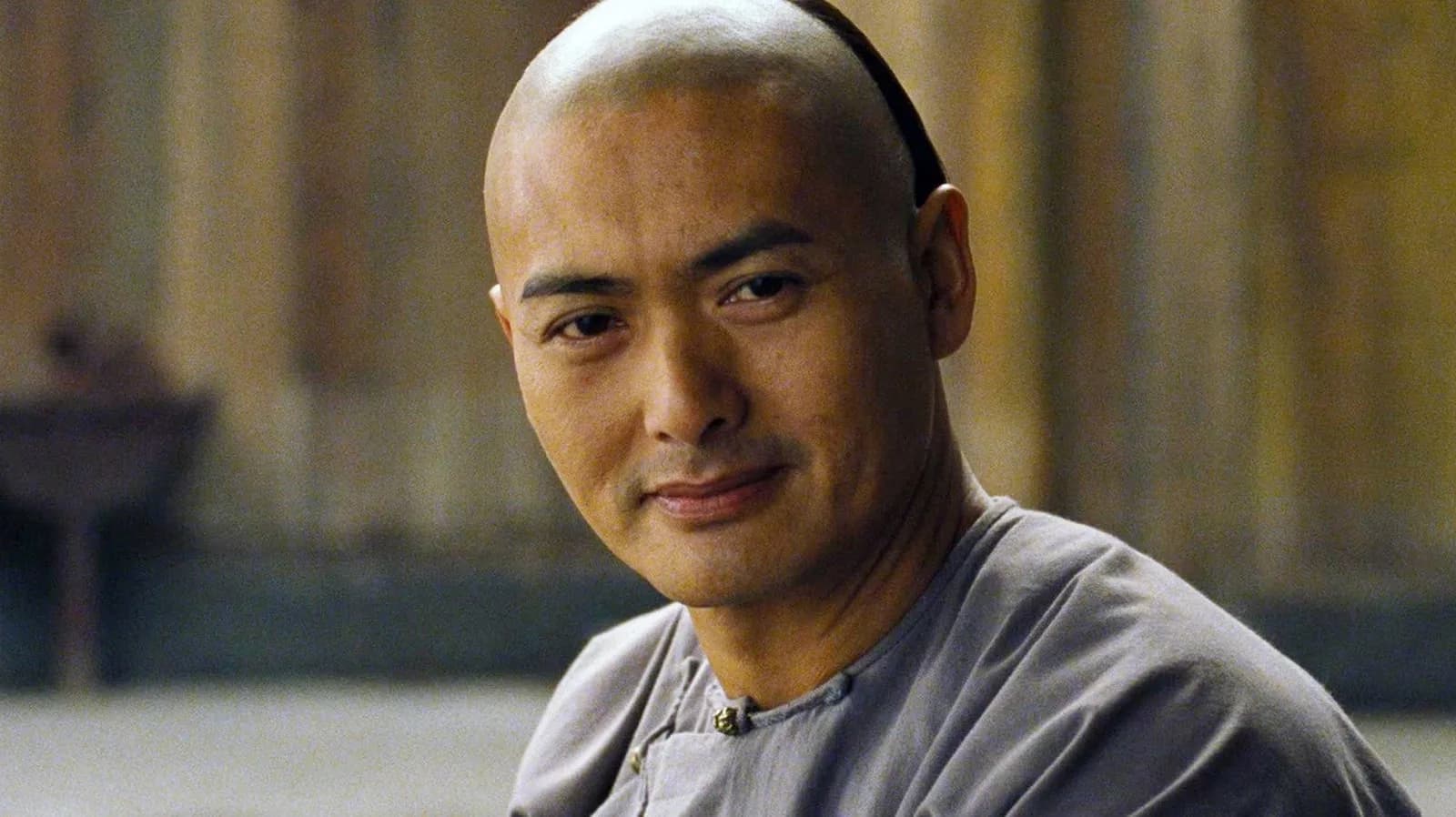 Photo via /Film
Crouching Tiger, Hidden Dragon Streaming on Prime Video
Ang Lee’s Oscar-winning martial arts epic is streaming on Prime Video — and it’s reminding everyone what real action looks like.
In this story
Live site hype
around 2 reading right now · 245 today
Reported from
This article was written by the CutMirchi desk from the reporting above. Facts are attributed to their original publishers.
Read next
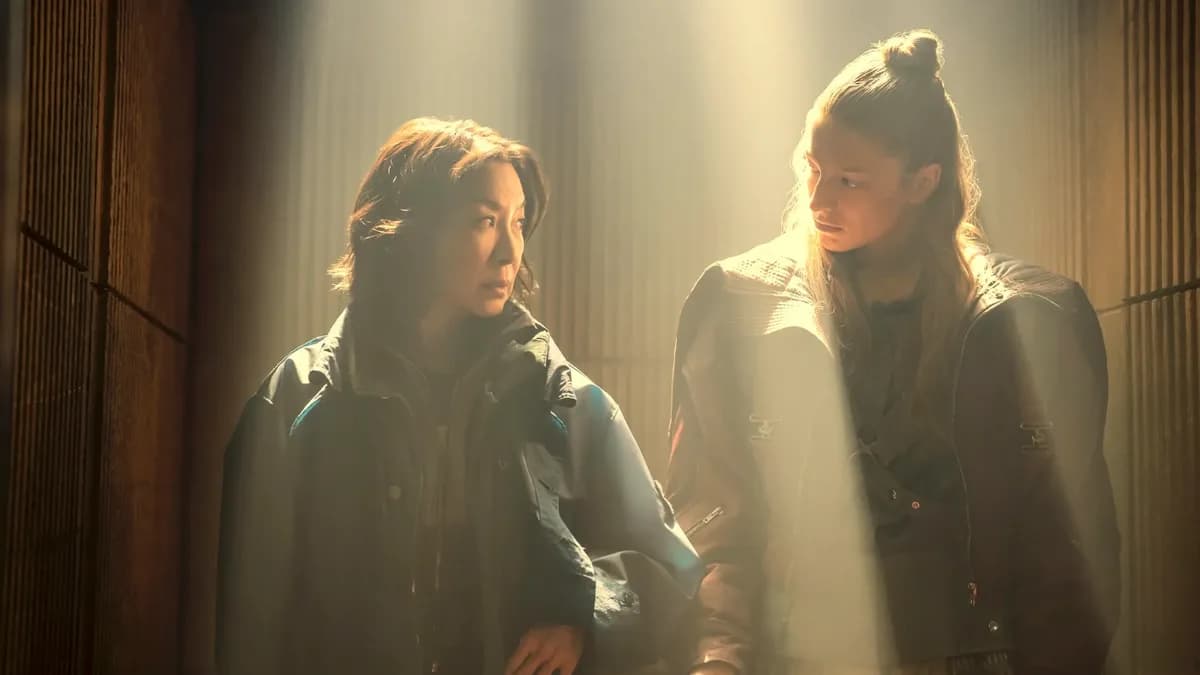
Blade Runner 2099: The Trailer That Makes You Fear Your Own End
The trailer dropped at NYCC, and it’s already got people whispering about the next big sci-fi obsession. Not just because of Michelle Yeoh as Olwen, a replicant in her final week, but because of what she says: “I know when I’ll die. And that makes it worse.”
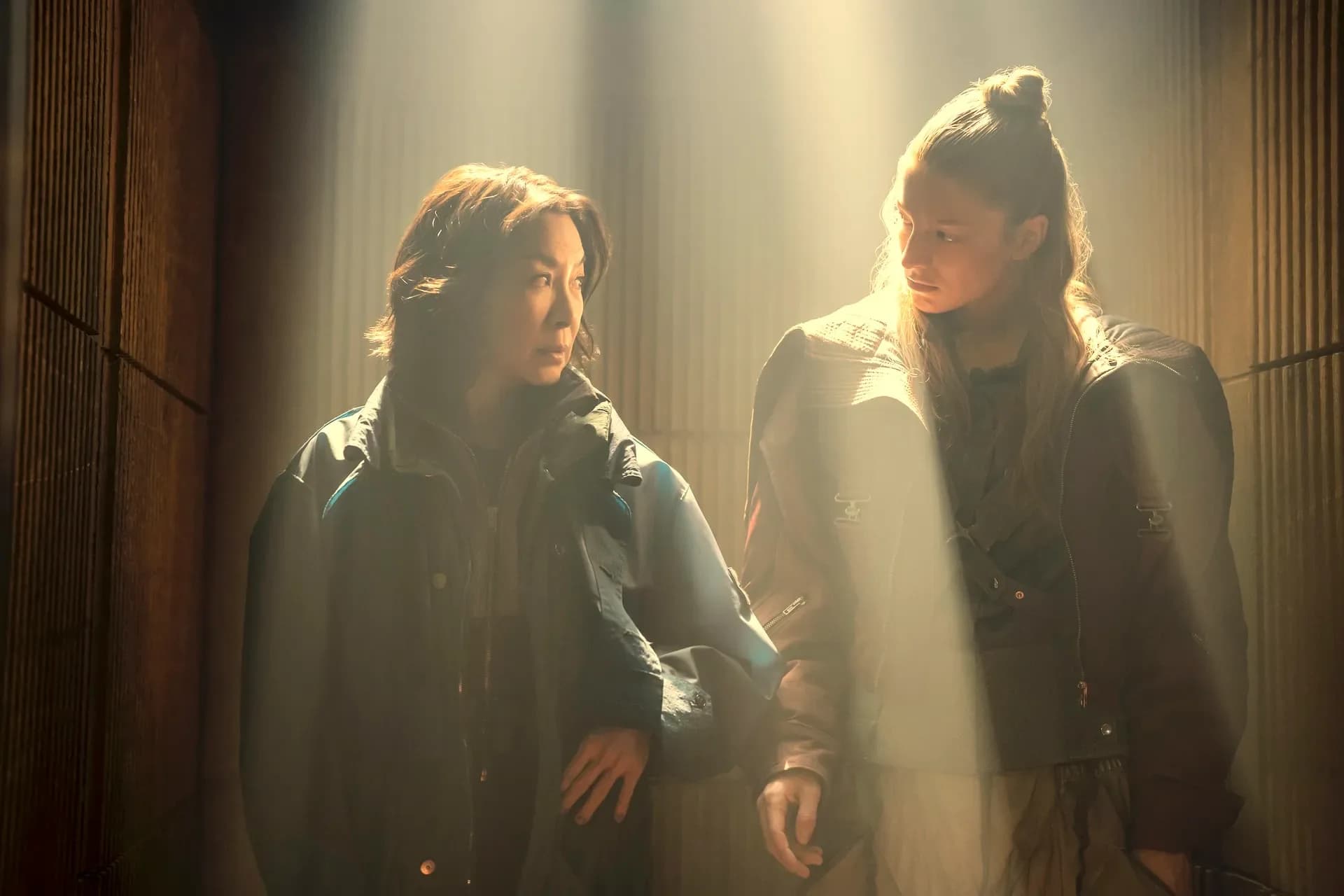
Blade Runner 2099 Trailer Drops: Michelle Yeoh and Hunter Schafer Hunt Truth in Reborn LA
The new Blade Runner 2099 trailer reveals Michelle Yeoh as a dying Replicant and Hunter Schafer as a fugitive forced into becoming a Blade Runner. The eight-episode series premieres November 25 on Prime Video.
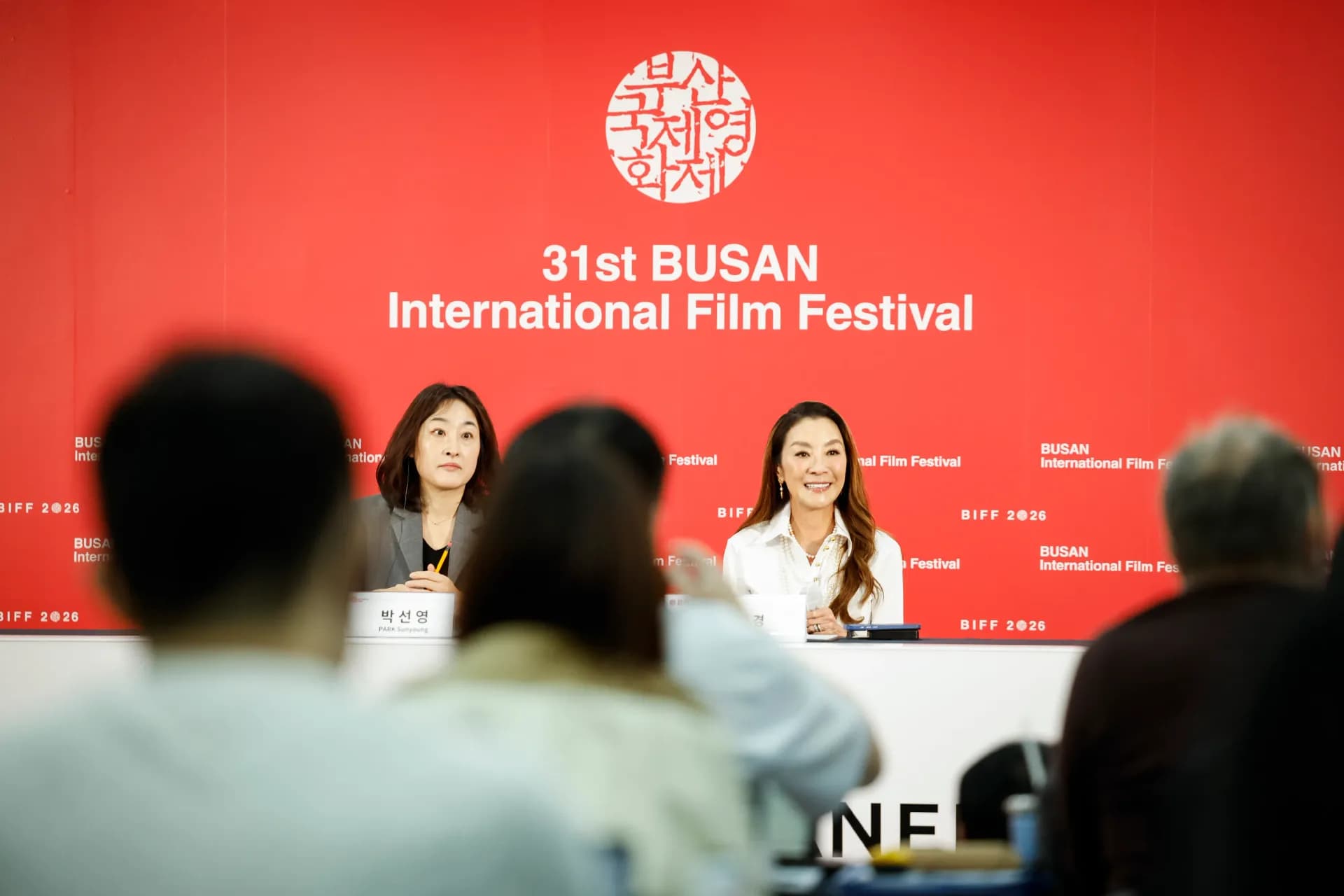
Michelle Yeoh Blade Runner 2099 It's My Time Thanksgiving Release
Michelle Yeoh is back in Asia — and she’s not just visiting. She’s making a statement. The Oscar winner, fresh off her win for Everything Everywhere All At Once, was in Busan last night to accept the festival’s Asian Filmmaker of the Year Award, marking her first return to the city in 15 years.
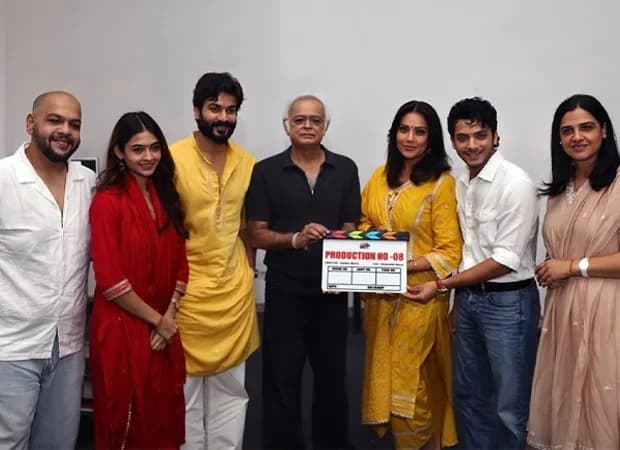
Hansal Mehta Web Series With Sunny Kaushal Begins Filming
Sunny Kaushal, Bipasha Basu, and Vishal Jethwa have begun shooting for Hansal Mehta’s new Prime Video series — the first major production from the director since Scam 2010.
Be the first to comment
Join the argument. No password, just your email or a passkey.