Bhangaar wins National Award; director Sumira Roy's intimate doc on elderly couple seeking dignified death sparks quiet debate
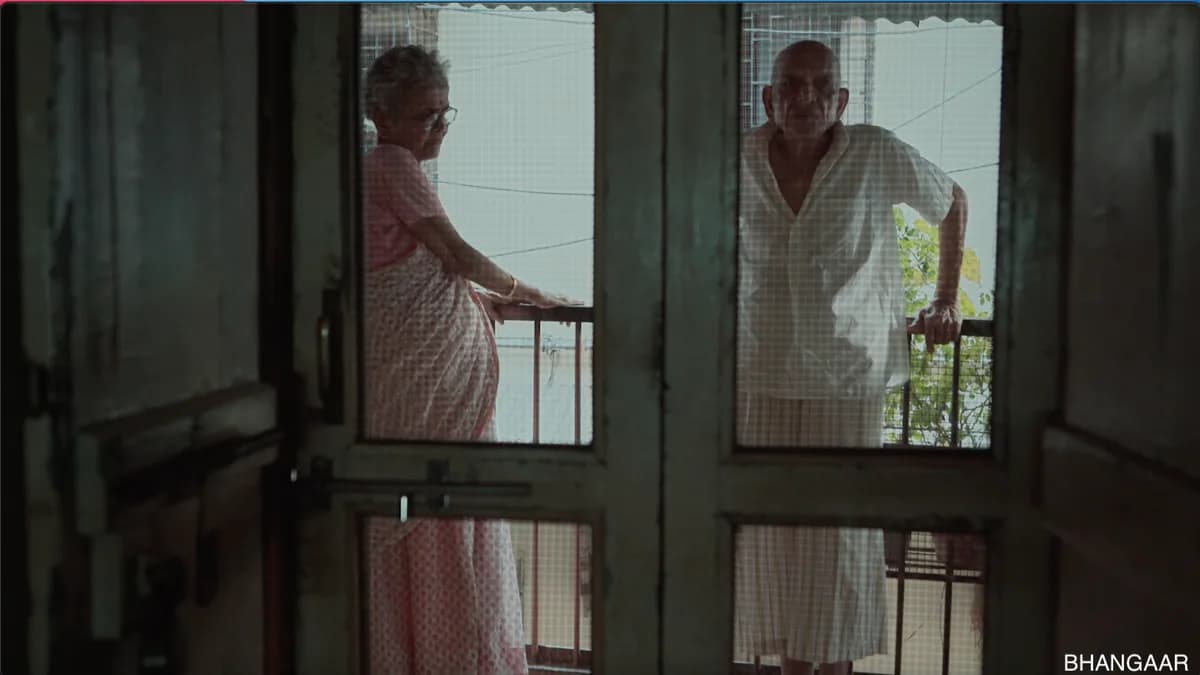
Bhangaar, a Marathi documentary that won the National Film Award for Best Non-Feature Film, is finally finding its voice — not in theatres, but in quiet rooms where dignity is debated, and death is no longer a taboo. The film, directed by Sumira Roy, follows Narayan and Iravati Lavate, an octogenarian couple from Mumbai who petitioned for active euthanasia in 2018.
Iravati died of cancer in 2023. Narayan, now living in an old-age home with failing eyesight and memory, remains silent, but his story speaks volumes. The film’s win has reignited conversations about end-of-life choices, especially for India’s elderly, where agency often ends before the body does. It’s a quiet reckoning, one that arrives on the heels of International Day of Older Persons and Gandhi Jayanti.
Fittingly, as both mark reflection on life, legacy, and what it means to die with purpose. The film was screened last week by Kriti Film Club in Delhi NCR, though a theatrical release date remains unconfirmed. What’s clear: this isn’t just a documentary about dying. It’s about being seen.
Roy, who transitioned from advertising at Ogilvy and JWT to filmmaking after years in Japan studying Ozu and Japanese theatre, says she didn’t set out to make activist films. ‘I don’t just go and make documentaries,’ she told The Hindu. Her earlier work, Last Days Last Shot (2017), explored moksha and nirvana through stories from Varanasi, a poet returning from Japan, a young Dom ash-sweeper who believed sinners burned slower.
That same existential pull draws her to the Lavates. ‘The day you’re born is the beginning of death,’ Narayan says in the film. Roy calls it a personal reckoning. Her mother, who once said she wanted to die with dignity, was never asked what that meant.
She wasn’t listening. Now, she’s making sure others do. The Central Board of Film Certification objected only to the title. ‘Bhangaar’ (obsolete), calling it insulting.
Roy insisted it was Narayan’s word, not hers. A disclaimer in Marathi was added. No other cuts were made. The film’s emotional core lies in its restraint.
There are no grand speeches. Just two people in a 12x12 chawl room, asking for a choice they’ve been denied. And then there’s Prakash Joshi, Iravati’s brother, who, when Roy called to share the National Award news, said Narayan wouldn’t understand. Not because he’s unaware.
But because the world has already moved on. The film’s next step? A wider audience. But first, it must find a platform that doesn’t treat it like a footnote.
The question isn’t whether Bhangaar will be seen. It’s whether anyone will hear it.



Be the first to comment
Join the argument. No password, just your email or a passkey.