The music of Main Vaapas Aaunga won’t turn a profit for five years. That’s not a typo. Kumar Taurani said it flat. Not a hope, not a projection. Five years to recover cost. The film made Rs. 70-80 crores. It was a sleeper. No one saw it coming. Not even the producers. The songs? ‘A bit sad,’ Taurani admitted. The first few didn’t move. The box office wobbled. Then came the shift. Imtiaz Ali stepped in. Not as director. As promoter. Taurani pushed him hard. ‘You’re the celebrity now,’ he told him. Three weeks before release. Three weeks after. No breaks. No safety net. And then — silence. Until the audience spoke. People loved the Partition angle. The film survived. The music? Still counting. The numbers don’t lie. But the story does. Ramesh Taurani recalled how Shibasish Sarkar, one of the producers, called him directly. ‘I’ve worked with so many music companies,’ Sarkar said. ‘But Kumar ji gave real support. I can call you myself. In other films, the manager left by release day.’ That mattered. No middlemen. No delays. Just access. To Taurani. To the process. To the film. Imtiaz Ali carried it. Usne picture ko khada kar diya. The phrase echoes. Not because it’s poetic. Because it’s true. The film wasn’t saved by star power. Not by budget. By presence. By someone stepping up when no one else could. Diljit Dosanjh was busy. The others were new. So the man who wrote the script became the face. The voice. The engine. And the album? Still waiting. Five years. That’s what it’ll take. The next question isn’t whether it will be remembered. It’s whether anyone will pay for it in time.
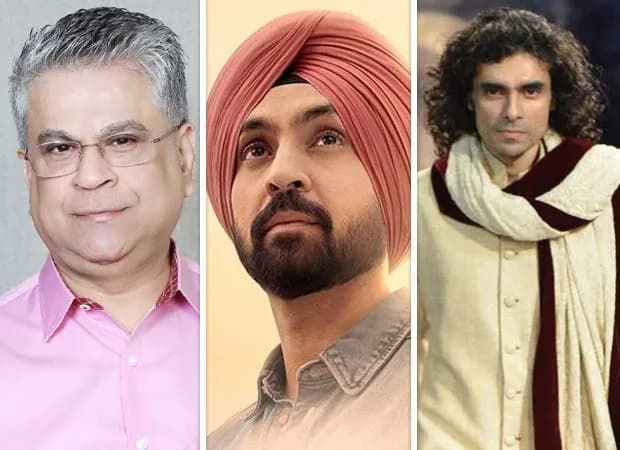 Photo via Bollywood Hungama - Features
Diljit Dosanjh’s Music Won’t Pay Off for 5 Years — And Here’s Why
Kumar Taurani says the music of Main Vaapas Aaunga will take five years to recover costs, despite the film earning Rs. 70-80 crores. He credits Imtiaz Ali’s promotional push for saving the film.
In this story
Live site hype
around 2 reading right now · 200 today
Reported from
- Bollywood Hungama - Features — Kumar Taurani reveals UNEXPECTED economics of Main Vaapas Aaunga’s music: “It’ll take 5 YEARS to recover our cost”; reveals how he PUSHED Imtiaz Ali to lead promotions as Diljit Dosanjh was busy: “Usne picture ko khada kar diya”
- Bollywood Hungama - Main Feed — Kumar Taurani reveals UNEXPECTED economics of Main Vaapas Aaunga’s music: “It’ll take 5 YEARS to recover our cost”; reveals how he PUSHED Imtiaz Ali to lead promotions as Diljit Dosanjh was busy: “Usne picture ko khada kar diya”
This article was written by the CutMirchi desk from the reporting above. Facts are attributed to their original publishers.
Read next
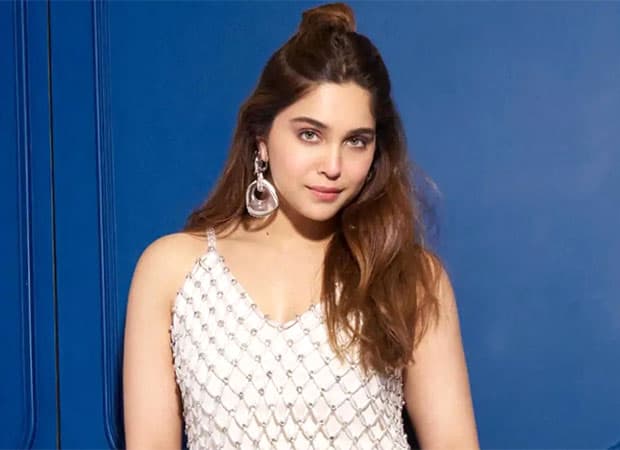
Sharvari Says Main Vaapas Aaunga Pushed Her Into New Territory
Sharvari has spoken about working with Imtiaz Ali for the first time on Main Vaapas Aaunga, calling the period drama a chance to play someone entirely unlike her earlier roles.
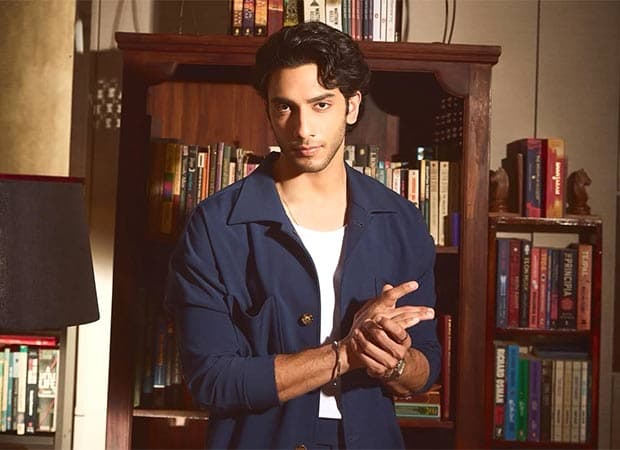
Vedang Raina Traces His Kashmir Roots To Srinagar's Raina Wari
Vedang Raina opened up at IFFJK about his family's roots in Srinagar's Raina Wari locality, saying his second trip to Kashmir felt like coming home, much like his film Main Vaapas Aaunga.
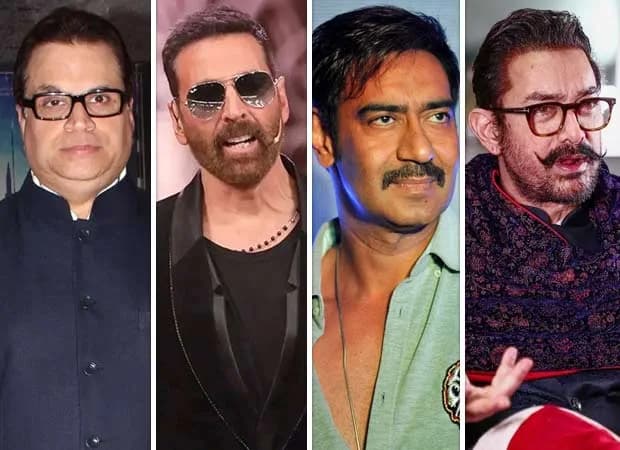
Ramesh Taurani Says Actors Fear One Flop Too Much
Ramesh Taurani and his son Kumar Taurani, speaking to Komal Nahta, said today's actors are too scared of flops and praised Akshay Kumar, Ajay Devgn and Salman Khan for staying prolific despite the risk.
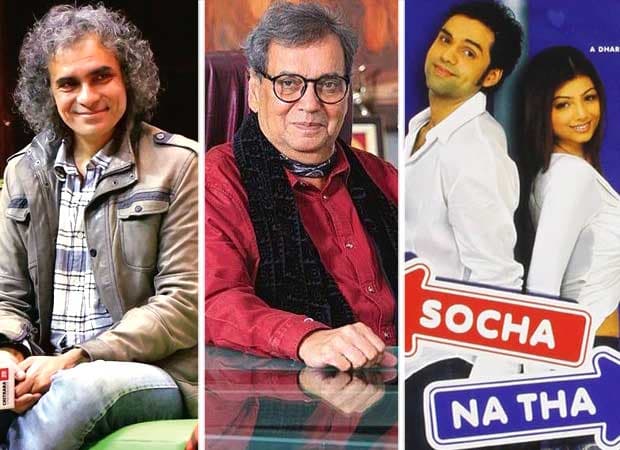
Imtiaz Ali Reveals Subhash Ghai Saved His Debut Film
Imtiaz Ali shared a rare behind-the-scenes story at Celebrate Cinema 2026, revealing that Subhash Ghai personally acquired the negative rights of his debut film, Socha Na Tha, to ensure a theatrical release. The move came after CBFC screening issues stalled the film’s launch.
Be the first to comment
Join the argument. No password, just your email or a passkey.