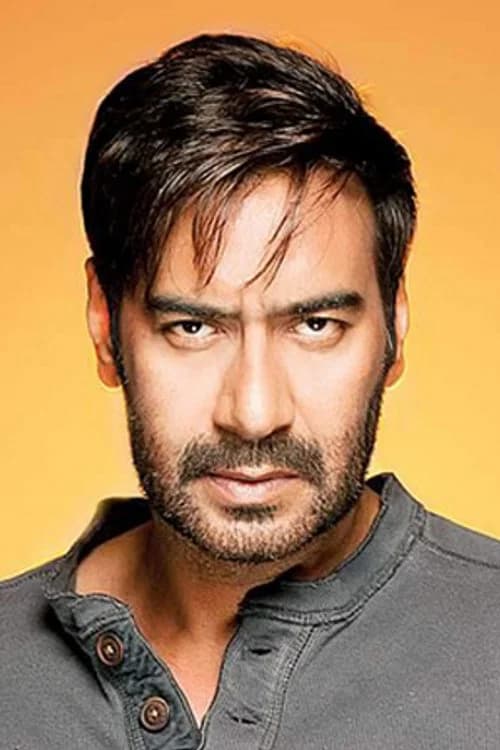
Ajay Devgn’s Vijay Salgaonkar faces his most personal trial yet in Drishyam: The Conclusion, where the law returns—not to punish, but to remember. The film’s climax rewrites the past, not with spectacle, but with silence.
The final act of the Drishyam saga lands with a thud — then a gasp. Drishyam: The Conclusion isn’t just a movie. It’s a reckoning. Ajay Devgn, as Vijay Salgaonkar, doesn’t just reprise his role, he reclaims it. This time, he’s not the man who outsmarted the system once.
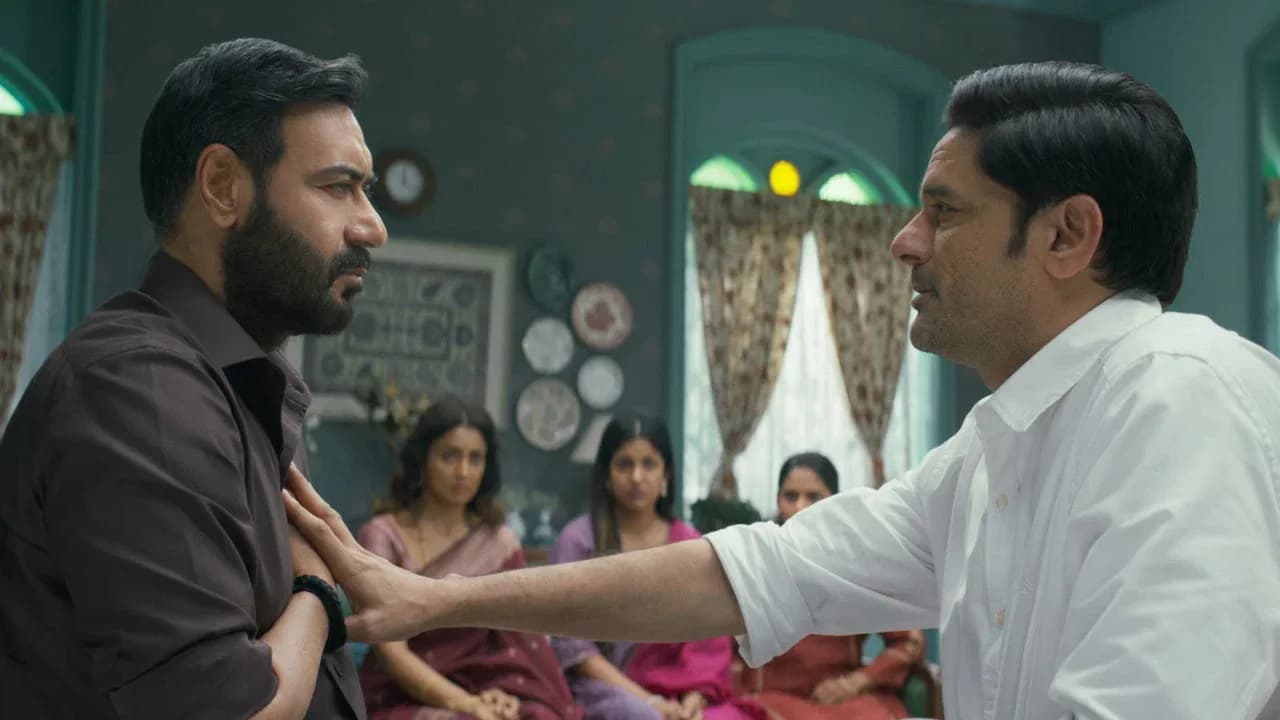
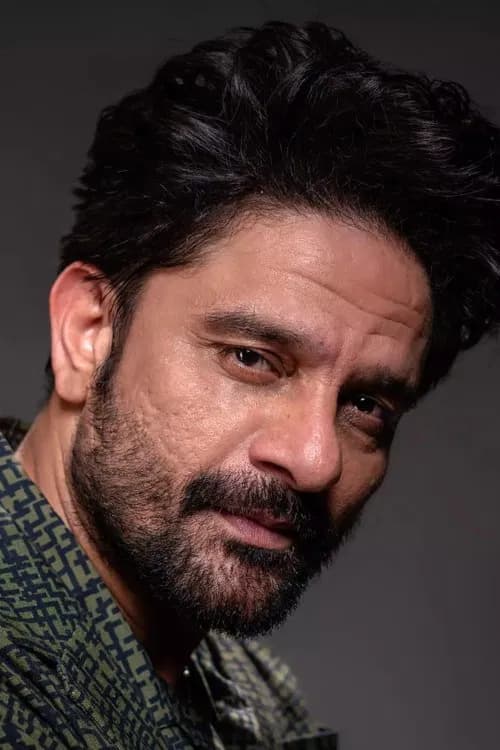
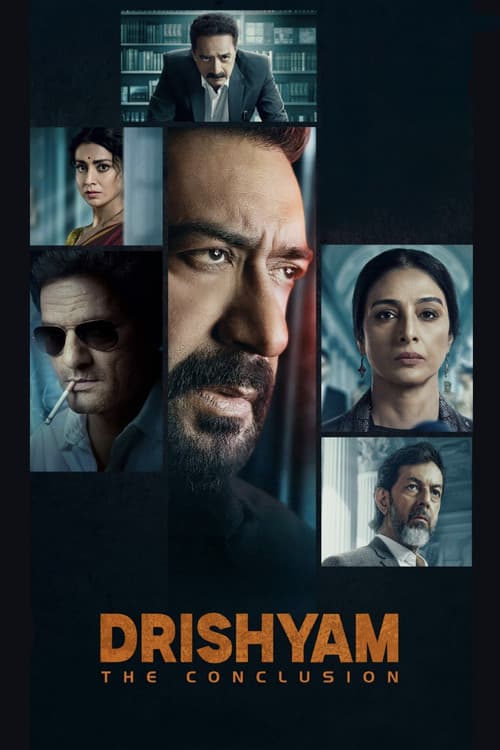
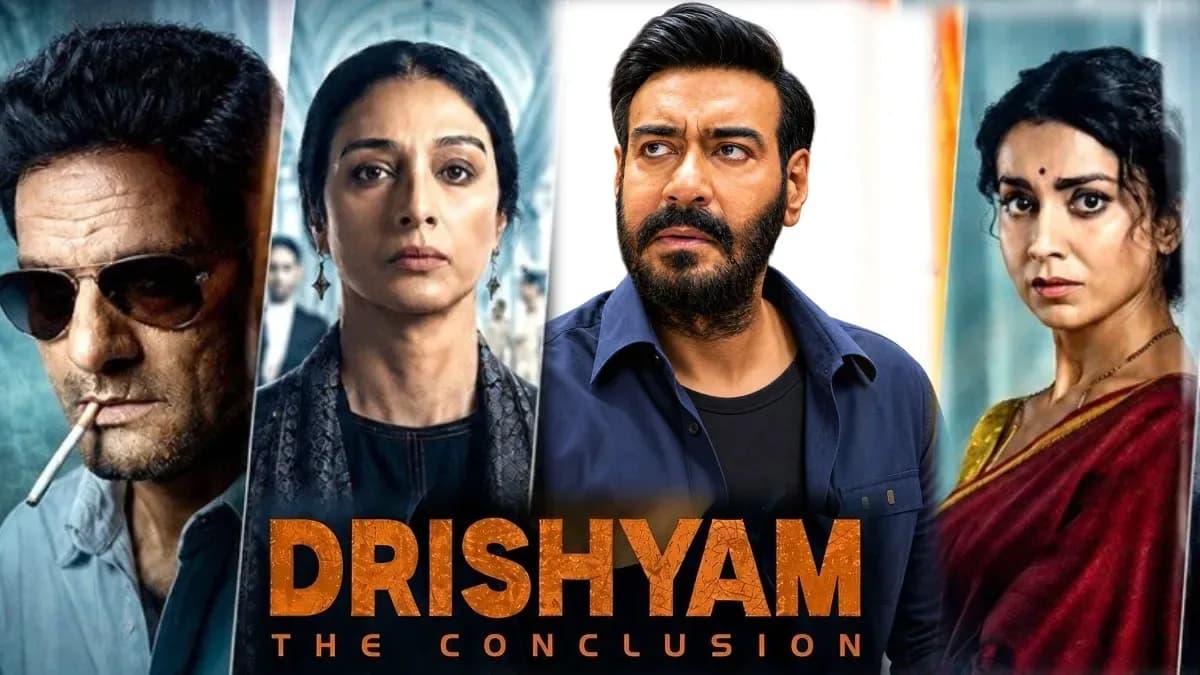
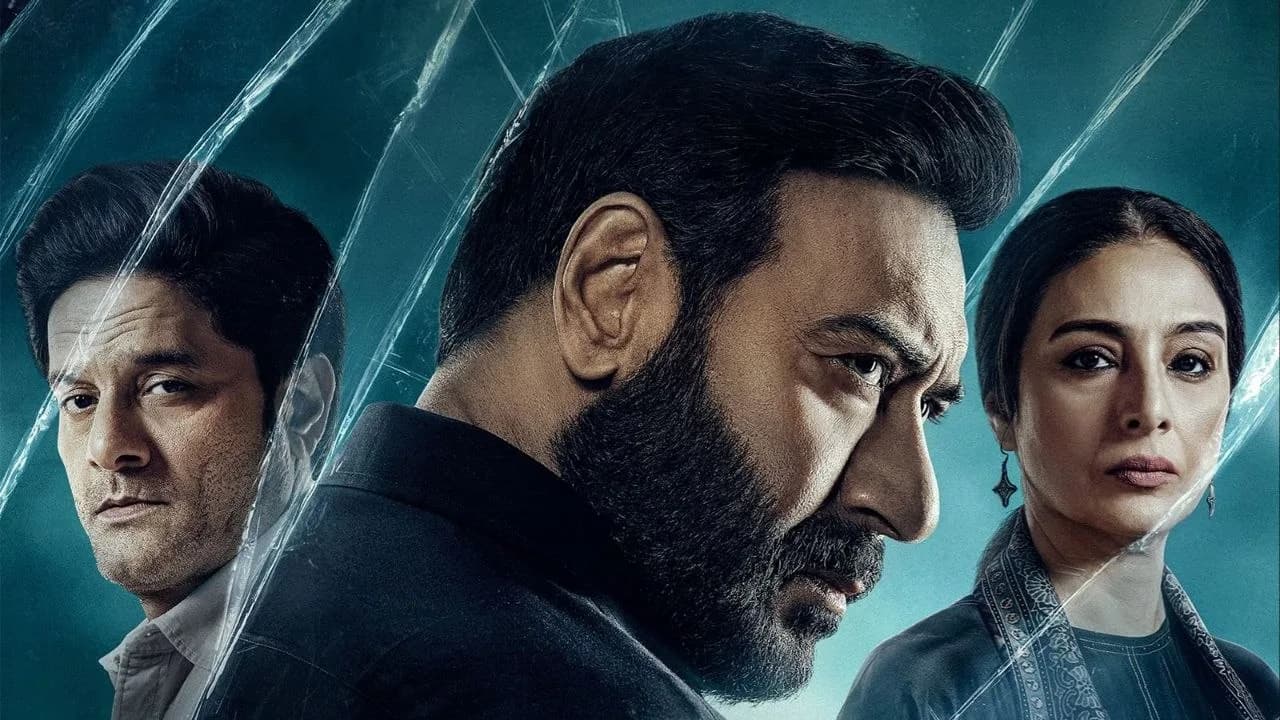
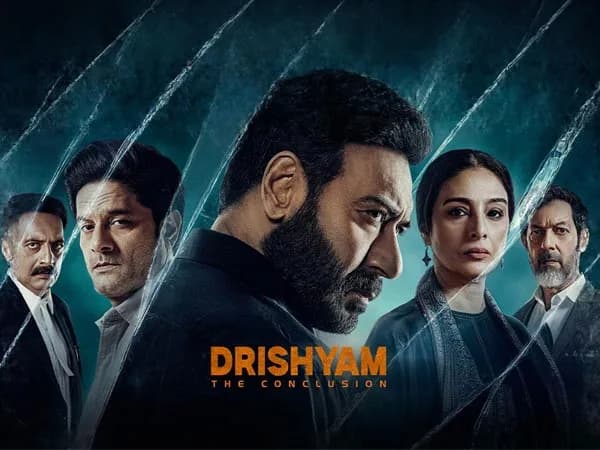
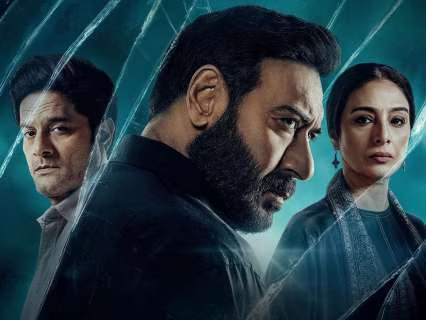
He’s the man who must survive its return. And he does, not with flair, but with quiet, terrifying precision. The film’s first half is a slow burn, a chess match between Vijay and SP Rajveer Singh Tomar (Jaideep Ahlawat), whose cold-eyed determination makes him feel less like a cop and more like a verdict in motion.
The tension? Unrelenting. The stakes? Personal.
Not just freedom. Family. Legacy. The kind that lives in the bones of a man who once thought he’d won.
But this isn’t about victory. It’s about survival. And for once, the audience isn’t cheering for the hero. They’re wondering if he deserves to win.
Tabu, as Meera Deshmukh, brings a grief so raw it feels stolen from real life. Her son’s death isn’t just a plot device. It’s the wound at the heart of the film. Rajat Kapoor, as Mahesh Deshmukh, mirrors her pain with a quiet dignity that lingers long after his screen time ends.
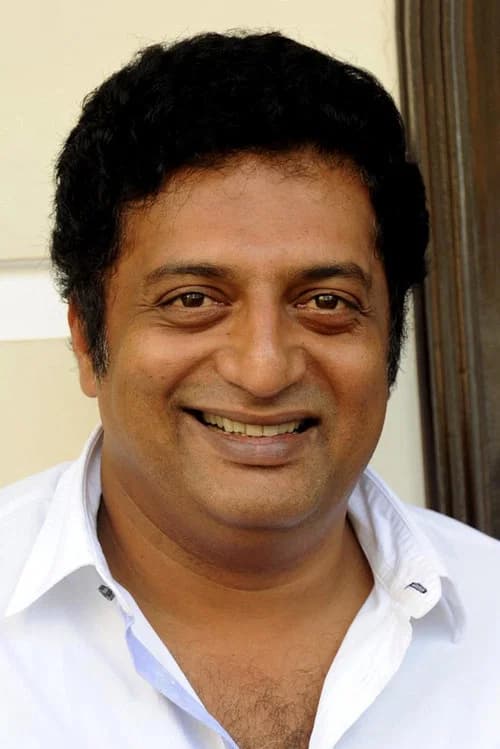
Prakash Raj as Indrajith Shetty? A masterclass in courtroom theatre. His presence alone turns every exchange into a duel. Shriya Saran, as Nandini, holds her own in scenes where silence speaks louder than dialogue.
Kamlesh Sawant’s Gaitonde? The comic relief that somehow becomes essential. His visits to drama theatres, his meme-laden banter, these aren’t distractions. They’re breadcrumbs.
The film’s editing by Sandeep Francis is tight, surgical. No wasted frames. Every shot serves the lie. Or the truth.
The score by Amar Mohile? A pulse beneath the skin. And Lucky Ali’s Muskura Do? A single emotional note in a film that refuses sentimentality.
Abhishek Pathak, returning as director and writer, has done something rare: he’s made a franchise finale that doesn’t rely on nostalgia. He’s built a new world inside the old one. The twist? It’s not just a twist.
It’s a revelation. One that redefines everything we thought we knew about Vijay. The film’s title isn’t ironic. It’s literal.
This is the end. Of the story. Of the myth. Of the man.
Whether it’s the best of the trilogy? That’s up to you. But it’s certainly the most honest. And that’s what matters.
Now, the question isn’t whether Vijay wins. It’s whether anyone else still believes in him. The answer will be decided not in court, but in the dark, after the lights come up.


Be the first to comment
Join the argument. No password, just your email or a passkey.