The real story isn’t the quote. It’s the silence after it.
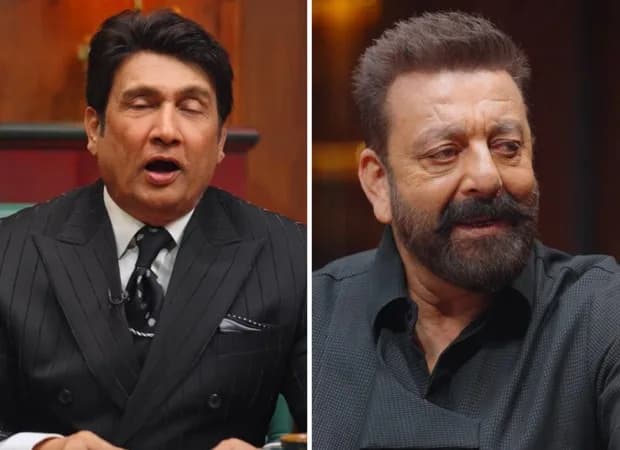
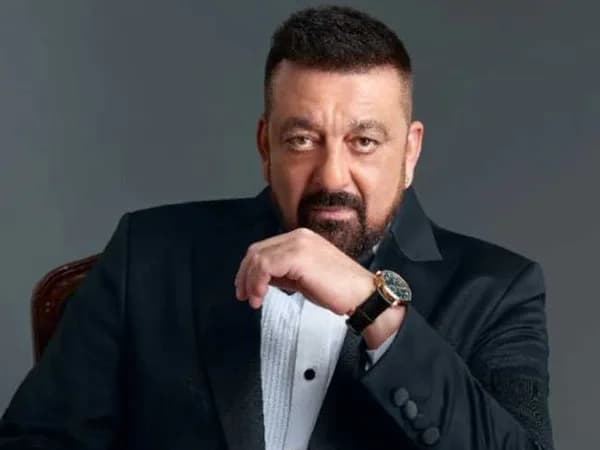
Sanjay Dutt’s comments on Shekhar Tonite during the Gandhi Jayanti episode have ignited a public debate, not over what he said, but how it was received. Speaking on the show, the actor expressed concern that the sense of peace he once associated with India had faded. 'The people of this country are so lovely,' he began, praising their hospitality and generosity.
But then came the pivot: 'I can't feel that peace in our country anymore.' The line, delivered in a reflective tone, quickly went viral — and with it, a wave of reactions. Critics interpreted it as a veiled critique of the nation’s current state. Supporters argued it was a heartfelt plea for unity.
The controversy deepened when Dutt took to X to clarify his position. He insisted his remarks were never meant to hurt, offend, or disrespect any individual, community, or institution. 'My remarks were made in the context of a scripted conversation intended to be light-hearted and humorous,' he wrote. He drew a parallel to the Munna Bhai films, where 'Gandhigiri' wasn’t political, it was about goodwill, warmth, and togetherness.
The intended message, he said, was one of love, not criticism. He added that the words were taken out of context. His explanation didn’t settle things. It only shifted the focus.
Enter Shekhar Suman. The host and longtime friend of Dutt stepped in to defend him, speaking exclusively to NDTV. 'What he said was completely innocuous,' Suman said. 'He should not be penalised and maligned for what he never said or meant.' Suman emphasized that Dutt has 'huge respect for our country and fellow countrymen' and described him as a man who 'loves his country and has utmost regard for it'.
He also defended the show itself, calling Shekhar Tonite 'a satirical show' that is 'pro-people', 'totally unbiased and democratic'. According to Suman, the format thrives on humour and irony. Not hostility. He reiterated that the conversation was part of a scripted, lighthearted exchange, not a serious commentary.
The defence, while personal, carries weight. Suman has known Dutt for years. His endorsement isn’t just about the moment, it’s about the man behind the quote. But the question remains: when satire becomes public speech, who decides what’s a joke?
And when a figure like Dutt speaks, does intent matter more than impact? The backlash may have cooled, but the conversation hasn’t ended. The next move isn’t Dutt’s. It’s not Suman’s. It’s the audience’s. How they choose to read. And remember, the moment will shape its legacy.

Be the first to comment
Join the argument. No password, just your email or a passkey.