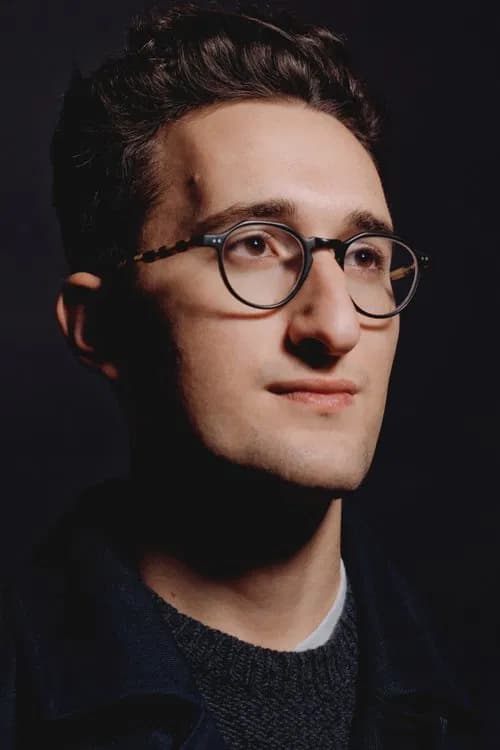
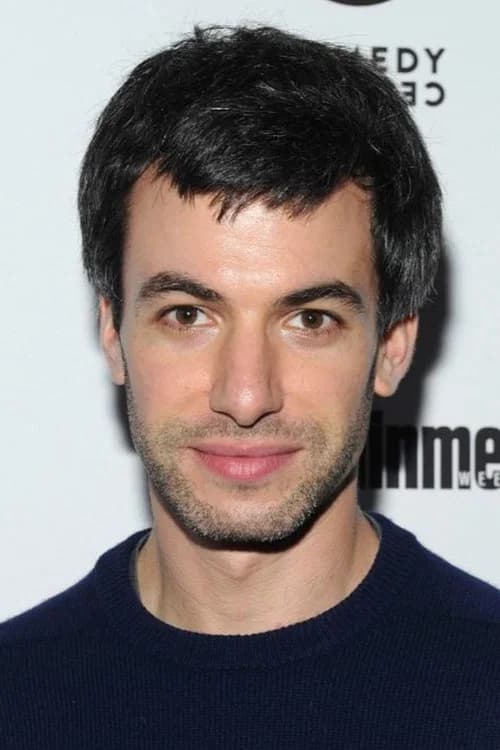
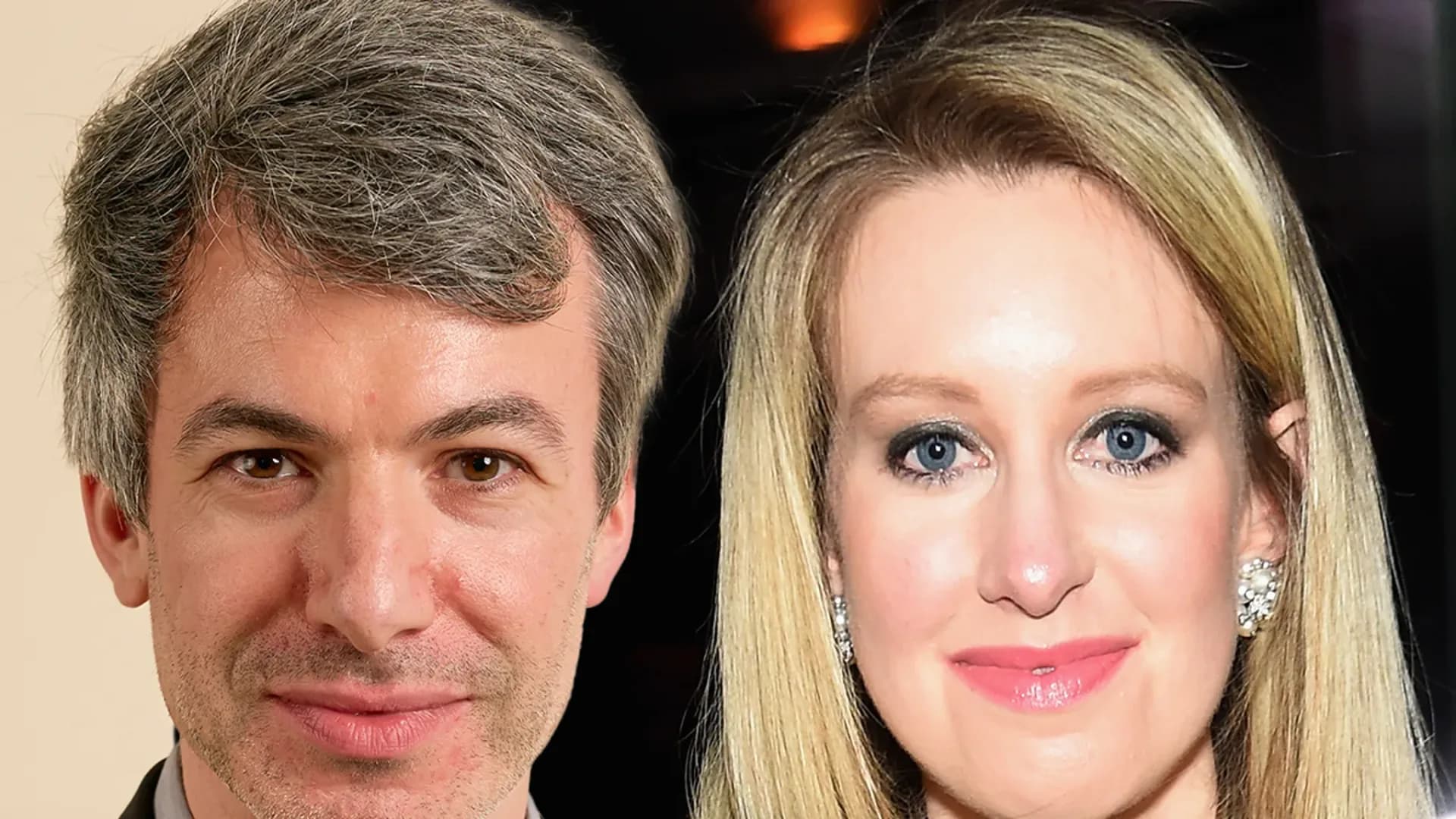
Billy Evans is disputing co-director Lance Oppenheim's account of how a full-frontal shower scene made it into You Can See Everything, the Theranos documentary filmed before Holmes went to prison.
Billy Evans wants the record straight on that shower scene.
According to TMZ, citing a source close to the production of "You Can See Everything," Elizabeth Holmes' partner disputes co-director Lance Oppenheim's version of how a full-frontal nude scene ended up in the finished documentary. The source claims Evans was told upfront that even if he filmed naked, the footage wouldn't survive the edit for legal reasons.
That's a very different story from the one Oppenheim has been telling publicly. In a recent interview with GQ, reported by the Los Angeles Times, the co-director said Evans brought the idea up himself, mid-errand, on a drive home from the gym.
"We were in the car ride on the way back from the gym and I said to Billy, 'We will give you some time to shower,'" Oppenheim recalled. "And Billy responded, 'Want to film me showering?'"
Oppenheim says he offered an alternative, shooting Evans in a way that kept his genitals out of frame. Evans, per the director, brushed it off and said he didn't care about being seen naked. The scene made the final cut, uncut.
Thirty-four days of total access
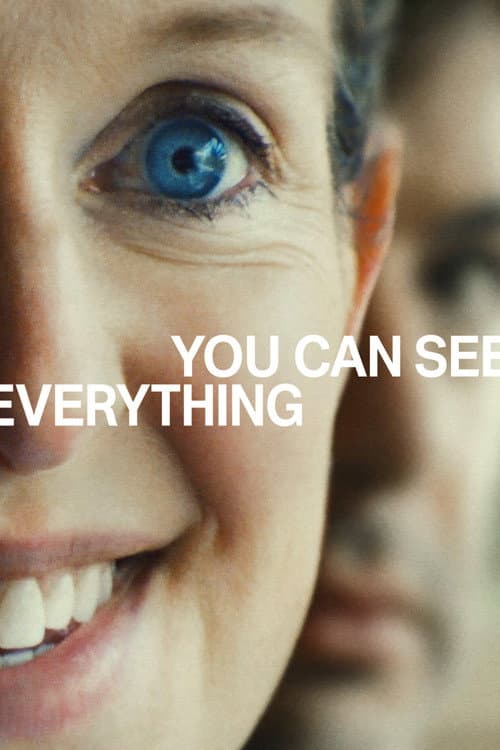
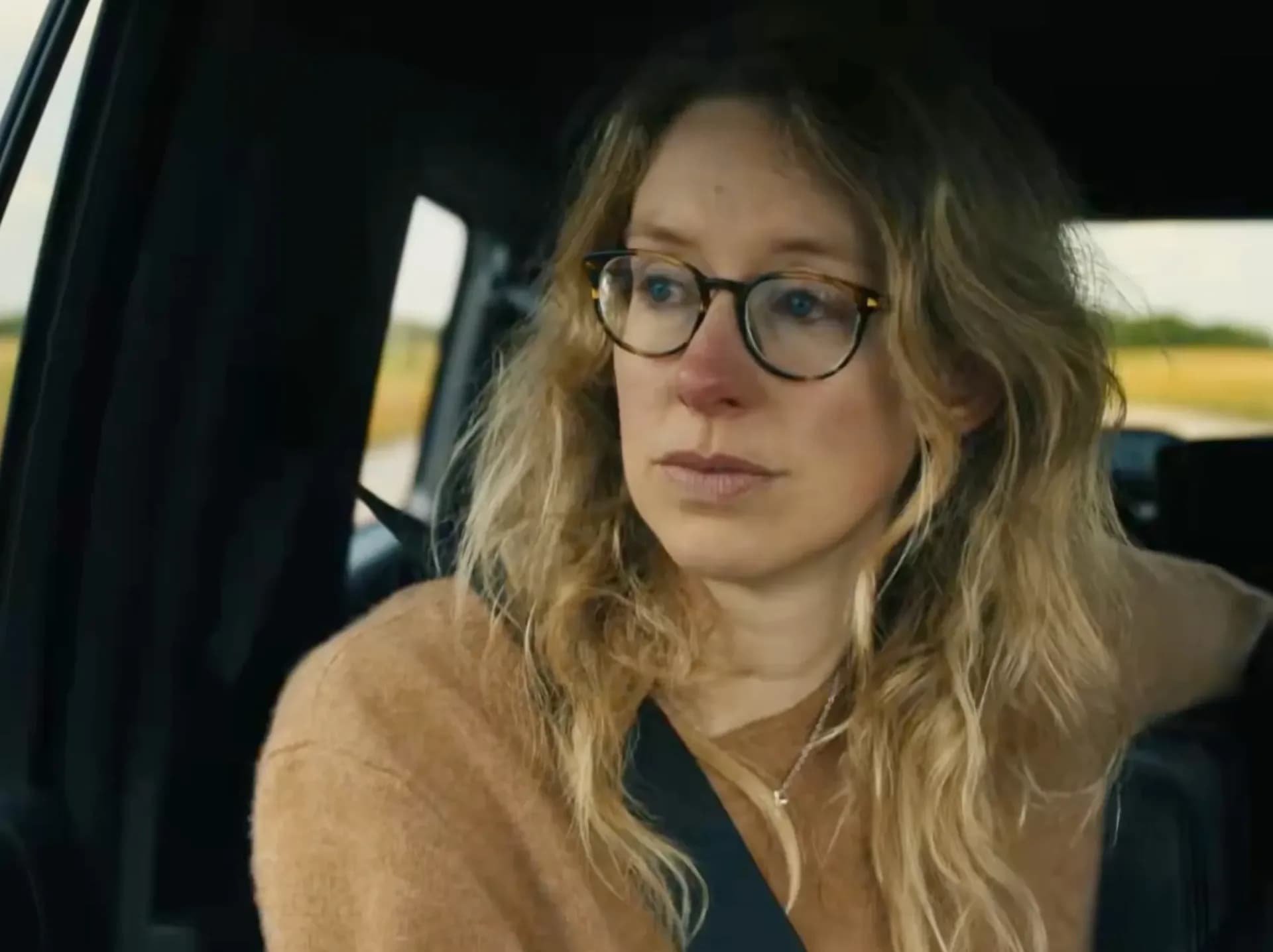
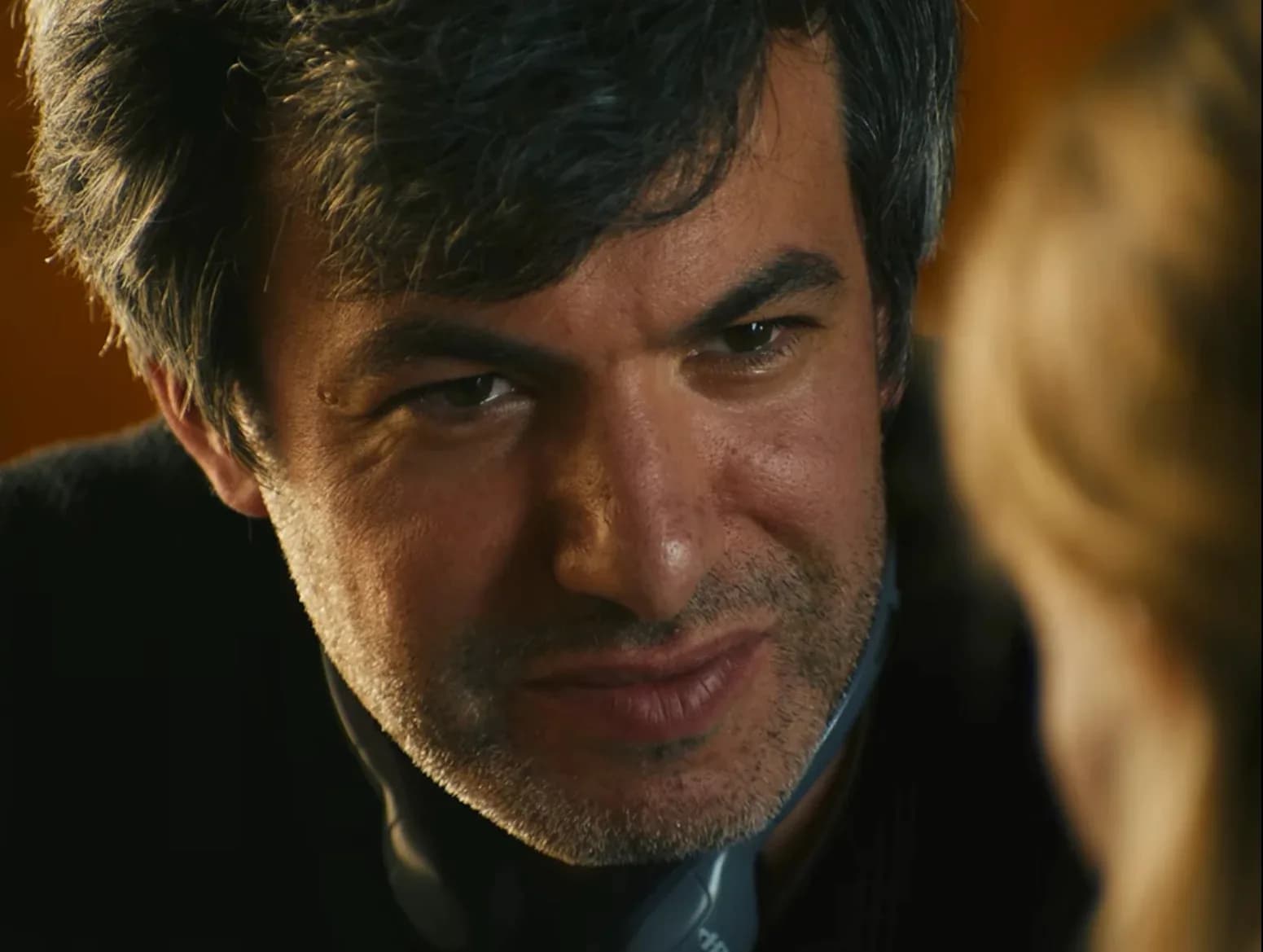
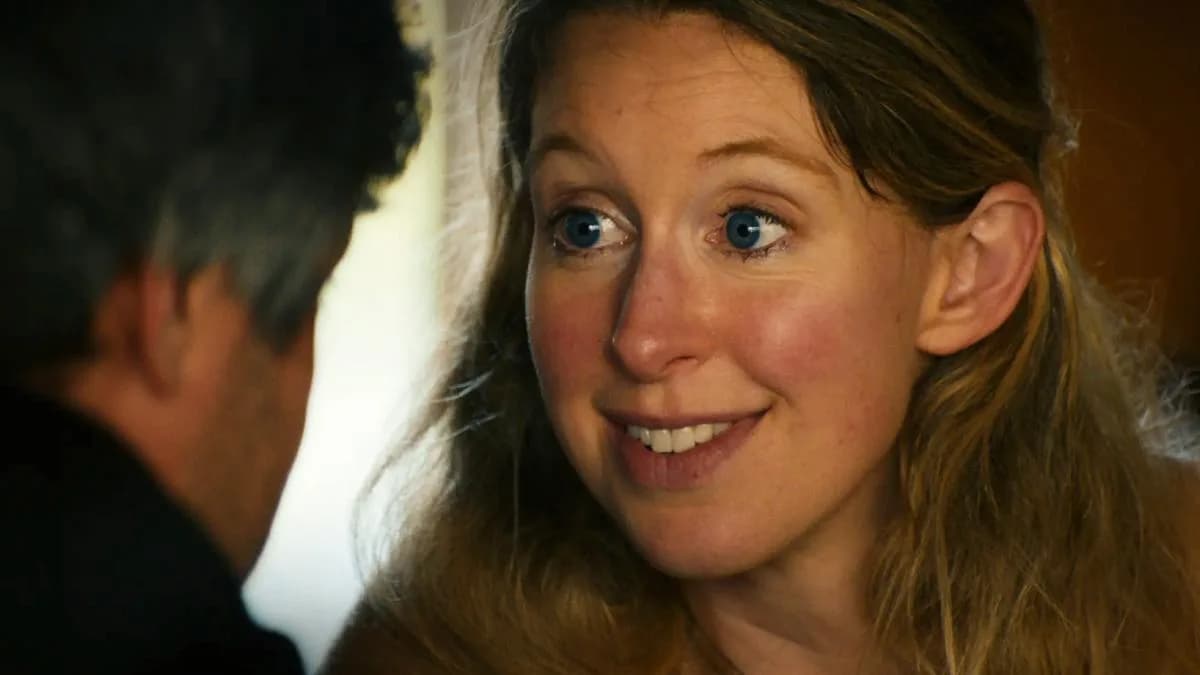
"You Can See Everything," co-directed by Oppenheim and comedian Nathan Fielder, who also appears on camera throughout, was shot across 34 days before Holmes reported to federal prison to begin an 11-year sentence over the Theranos fraud. During that stretch Fielder moved into the Del Mar beach house Holmes was renting with Evans, embedding himself in their daily life with a level of access documentary crews rarely get. The film's title, the LA Times notes, comes straight from a text Holmes sent Fielder granting him free rein to shoot whatever he wanted.
That access is exactly what makes the shower scene, and now the fight over how it came to be, such a flashpoint. Even Oppenheim admits he's not entirely sure why Evans went along with it. "I don't know. I honestly don't know," he told GQ, before floating a theory that Evans smiling at the camera afterward meant he was, on some level, into it. "It really beats me, honestly."
Oppenheim has pitched the whole project as observational vérité, in the lineage of Michael Moore and Ross McElwee, with its back half leaning on reenactment the way Errol Morris did in "The Thin Blue Line." He's said the blur between what's staged and what's simply caught is the point of the film, not a flaw in it. Most audiences walk out unsure what they actually watched, including whether Fielder is playing some version of himself on screen.
Evans hasn't put his name to any of this yet. His objection is traveling through an unnamed production source talking to TMZ, not a statement with his own byline on it. Oppenheim hasn't responded publicly to the pushback. Whether Evans eventually says this in his own voice, on camera or off, is the next thing worth watching for.
Be the first to comment
Join the argument. No password, just your email or a passkey.