
Fatima Sana Shaikh isn’t just playing ACP Jasleen Singh Soin in Hunkkaar: The Roar — she’s holding a mirror up to the industry she’s part of. In a recent interview with Bollywood Hungama, the actor offered a rare, unvarnished take on two of Bollywood’s most persistent issues: workplace safety and pay disparity. Her words landed not as a protest, but as a reckoning. She began by stating plainly: Bollywood is no safer than any other profession. '100% it is as safe as any other industry. It is as unsafe as any other industry,' she said. The point wasn’t to downplay abuse, it was to place it in context. These problems aren’t unique to film. They’re systemic. But she didn’t stop there. She added that the #MeToo movement has made the industry ‘even more safer’ since its peak. Not perfect. Not resolved. But better. A shift in tone, in power dynamics, in who gets to speak without fear. Still, she warned: acknowledging the existence of these patterns doesn’t mean dismissing the pain of those who’ve lived through them. 'That doesn't mean you belittle anybody or someone's journey or someone's pain.' The real issue, she argued, lies in how pay is determined. Producers, she said, operate under what she called a 'very mathematical approach'. One rooted in return on investment. 'A producer puts in money. They think that this actor or these actors will bring this many people to theatres. So I have invested this much and this is my return on investment. This is the math.' That logic, she explained, drives the gap between male and female stars. Men are paid more because they’re perceived to draw bigger crowds and generate larger openings. Female-led films? Few get those same numbers. So the equation follows: if the expected turnout is lower, the fee must be lower. But here’s where she challenged the assumption. 'Those days are gone,' she said. Only a handful of actors can still guarantee massive openings. The rest? Newcomers are breaking records. Films with unknown names are drawing audiences. The old rules don’t hold. If the system no longer depends on star power alone, then why keep paying unequal? It’s an opening. A moment to push for parity. And she sees it as urgent. 'So it is an even better time for us to get equal pay.' The conversation isn’t about sentiment. It’s about shifting economics. About redefining value. About proving that the audience isn’t the problem. The model is. What comes next? No one knows. But the script is changing. And someone’s finally reading it aloud.
 Photo via Bollywood Hungama - Features
Fatima Sana Shaikh: Pay Gaps Are a Mathematical Problem, Not a Talent One
The real story isn’t the trailer. It’s what comes after.
In this story
Live site hype
around 2 reading right now · 212 today

About the film
Hunkkaar: The Roar
25 September 2026 · JioHotstar · cast, trailer and release details
Reported from
- Bollywood Hungama - Features — EXCLUSIVE: Fatima Sana Shaikh says Bollywood became “even more safer” after MeToo; calls pay disparity a “very mathematical approach”
- Bollywood Hungama - Main Feed — EXCLUSIVE: Fatima Sana Shaikh says Bollywood became “even more safer” after MeToo; calls pay disparity a “very mathematical approach”
- Bollywood Hungama — EXCLUSIVE: Fatima Sana Shaikh says Bollywood became “even more safer” after MeToo; calls pay disparity a “very mathematical approach”
This article was written by the CutMirchi desk from the reporting above. Facts are attributed to their original publishers.
Read next
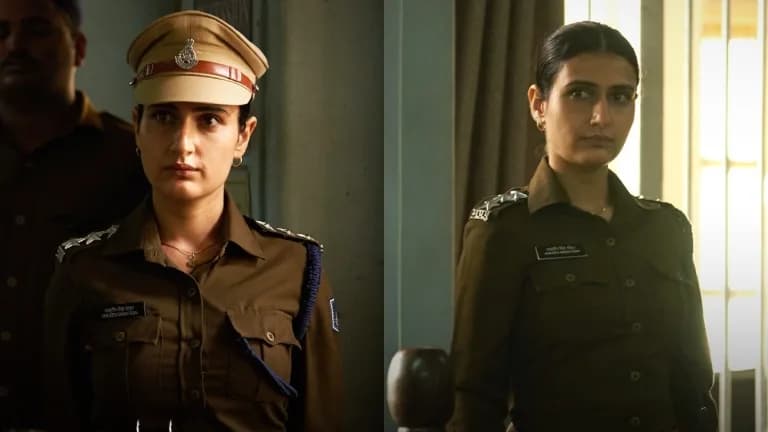
Hunkkaar: The Roar Is Here
Fatima Sana Shaikh delivers a career-best performance as ACP Jasleen Singh Soin in Hunkkaar: The Roar, now streaming on JioHotstar. The social drama, directed by Karan D Kapadia and Nitya Mehra, is praised for its restrained portrayal of systemic bias and personal struggle. Produced by Birla Studios, Applause Entertainment, Purple Pebble Pictures, and Mangata Films, the film marks a significant on
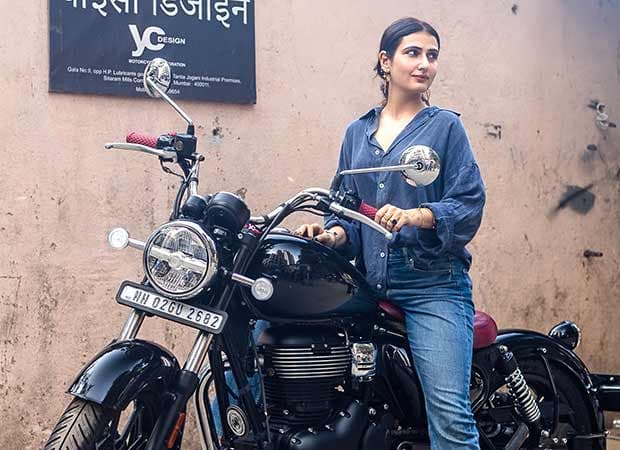
Fatima Sana Shaikh’s Custom Bike: A Personal Project With Power
Fatima Sana Shaikh’s bike just got a full-on personality transplant. And by the looks of it, she’s not just happy—she’s giddy.
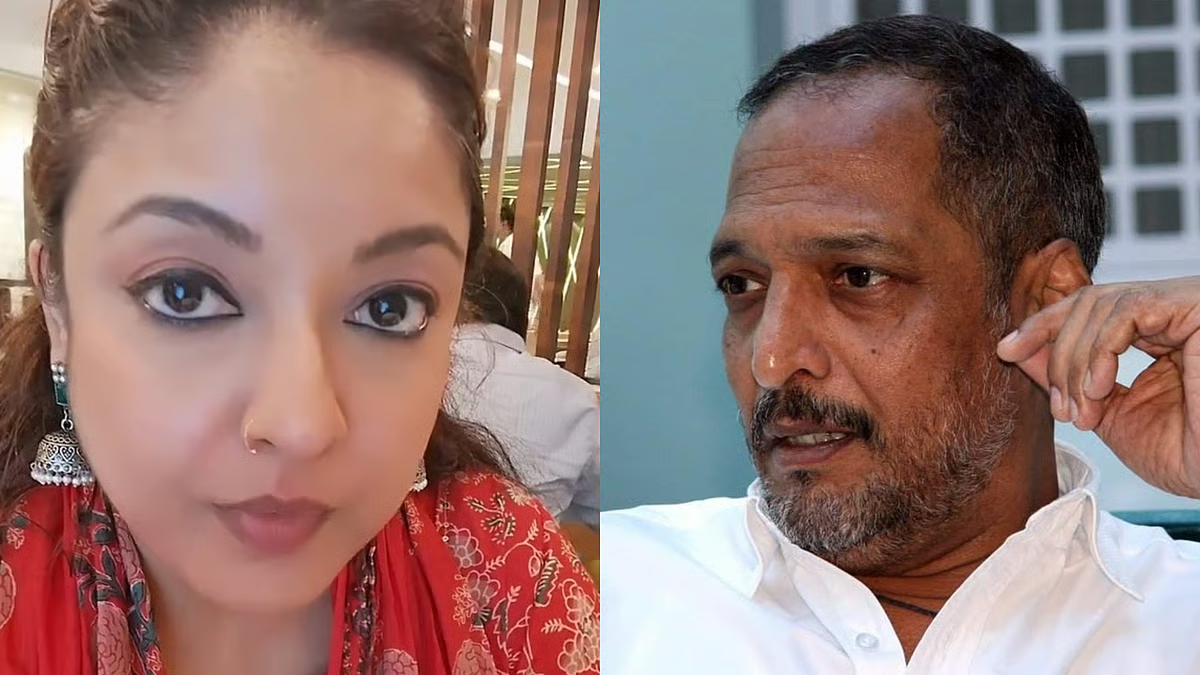
Tanushree Dutta Reacts To Nana Patekar's Death, Sends Family Condolences
Tanushree Dutta broke her silence on Nana Patekar's death with a guarded Instagram video, offering condolences to his family while declining to say more until she had processed the news.
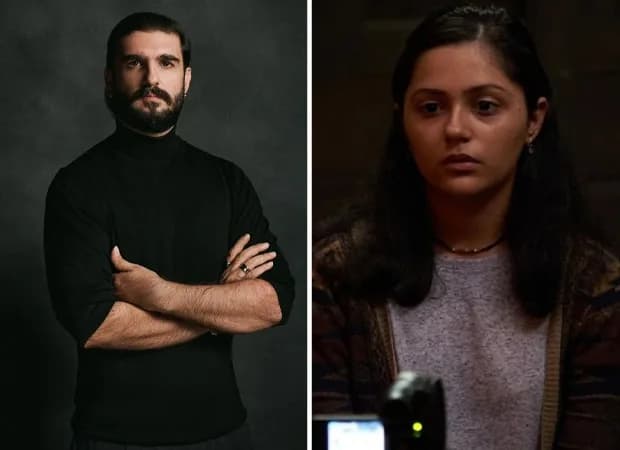
Karan D Kapadia Fought For Aneet Padda From Day One
Karan D Kapadia confirms he personally ensured Aneet Padda was cast as Meenu Rawat in Hunkkaar: The Roar, calling it an immediate, non-negotiable choice after writing the script.
Be the first to comment
Join the argument. No password, just your email or a passkey.