As Gandhi Jayanti approaches, a wave of documentaries and podcasts is redefining how India engages with the Mahatma’s legacy beyond the biopic.
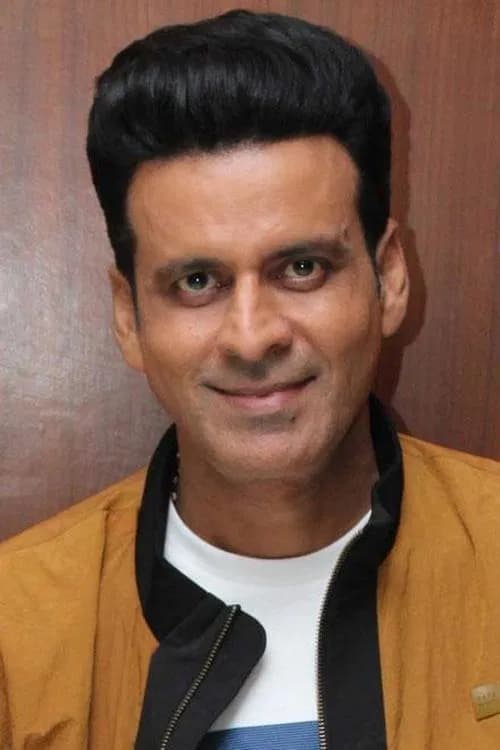
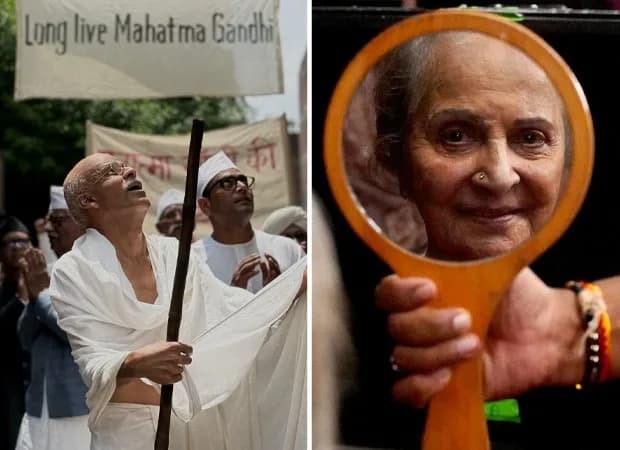
Gandhi Jayanti 2026 isn’t just another date on the calendar. It’s becoming a cultural moment for re-examining the man behind the myth. While feature films like Sudhir Mishra’s upcoming project with Manoj Bajpayee continue to dramatize his life, it’s the non-fiction works that are now doing the heavy lifting in shaping public understanding.
The restored 1968 documentary Mahatma: Life of Gandhi (1869–1948), unveiled at the Mumbai International Film Festival, offers rare visuals from the Dandi March, preserved under the National Film Heritage Mission. Its release shows a quiet shift: the state is investing in historical preservation not just for nostalgia, but for context.
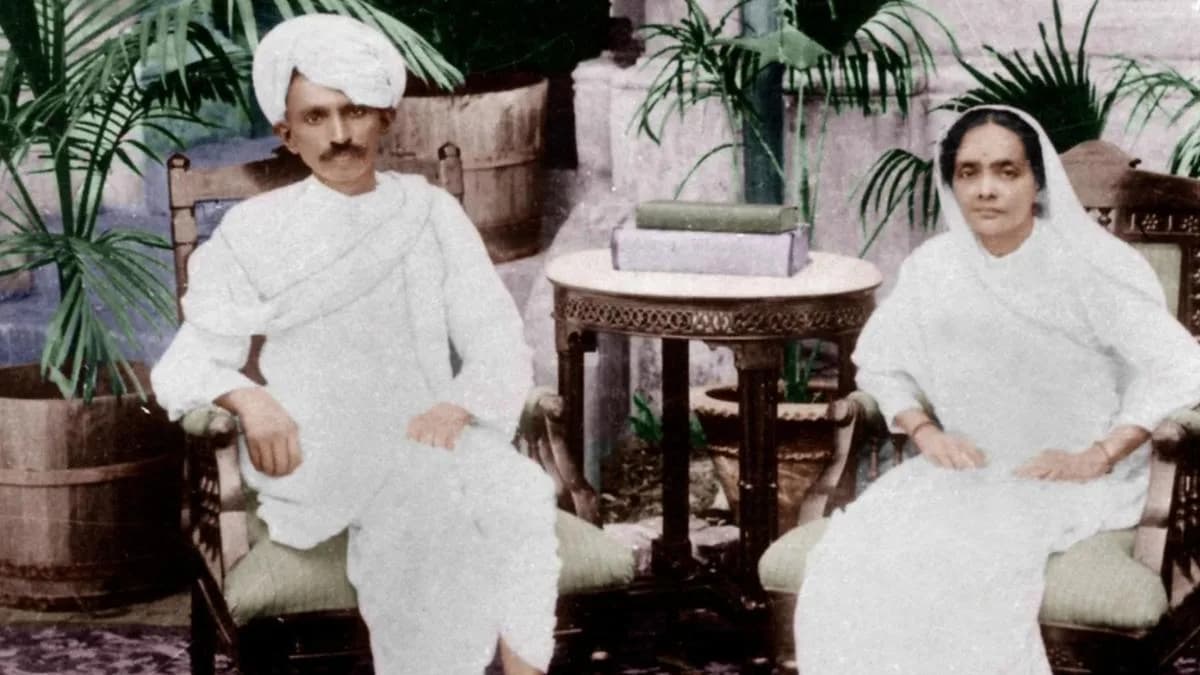
Meanwhile, American filmmaker Cynthia Lukas’s Kasturba Gandhi: Accidental Activist (2023), narrated by Naveen Andrews, stands out as a bold attempt to reclaim Kasturba’s story from the margins. The first in a planned trilogy, it positions her not as a silent companion to Gandhi but as an activist in her own right — a narrative PBS plans to expand with a second installment in March 2027.
On the audio front, the 2024 podcast Gandhi, The Beginning, hosted by journalist Ashraf Engineer and featuring Tushar Gandhi, dives into the Mahatma’s formative years in South Africa using memoirs from Pyarelal, his secretary. It’s a deep cut for those tired of surface-level portrayals.
Even YouTube has entered the fray. Gandhi: The Most Dangerous Pacifist in Human History, released last year by History After Dark, gained traction in the US for its sharp editing and unflinching look at Gandhi’s controversial stances on caste, race, and sexuality. Topics often glossed over in mainstream cinema.
These works aren’t just supplements. They’re corrections. Rajmohan Gandhi’s reflection in Ahimsa, Gandhi: Power of the Powerless (2021) cuts to the core: Gandhi didn’t invent nonviolence out of idealism, but out of horror. He saw violence breed more violence. And sought a strategy that demanded courage, not convenience.
For a generation raised on TikTok and Spotify, this isn’t history, it’s content. But it’s content with weight. And it’s asking audiences to reconsider what they thought they knew about the Father of the Nation.
The next question isn’t whether Gandhi will be portrayed again. It’s whether we’re ready to listen to the versions that don’t fit the pedestal.
Be the first to comment
Join the argument. No password, just your email or a passkey.