Dhirendra Mulkalwar tells Filmfare he binned two months of ideas before a five-minute guitar session, done after a session of remembrance for Neem Karoli Baba, produced the theme that made it into the final cut.
Dhirendra Mulkalwar spent his first two months on Hanuman Ansh throwing out idea after idea. Nothing stuck. So he stopped trying.
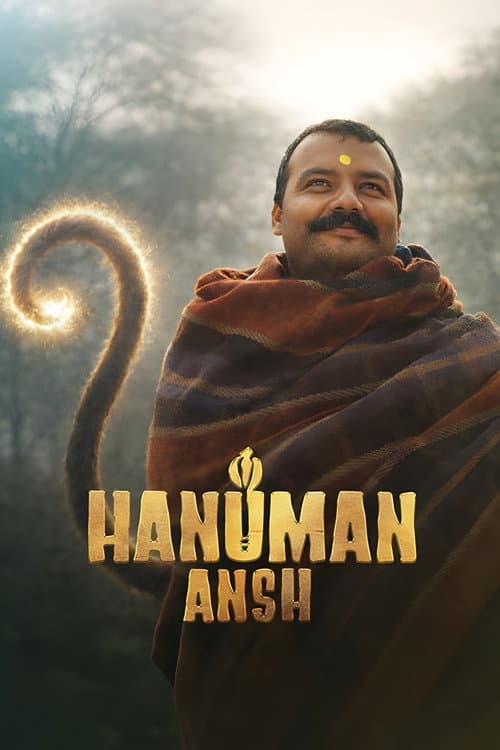
In an interview with Filmfare, the composer said the brief from director Vishal Chaturvedi was straightforward on paper and much harder in practice. The film, set in pre-independence rural India, needed music that carried what Mulkalwar called the earthly aroma of the soil. Chaturvedi's instruction was that the score had to breathe Bharatiya sabhyata, the texture of the heartland, in every cue.
Mulkalwar's breakthrough, by his own account, came after he gave up looking for it. He did a smaran, an act of remembrance, of Neem Karoli Baba, then picked up his guitar. Within five to seven minutes he had a tune. He sent it to Chaturvedi. Two or three days later, at the office, he found the whole team looping it on repeat. Chaturvedi told him they'd found the sound of the film.
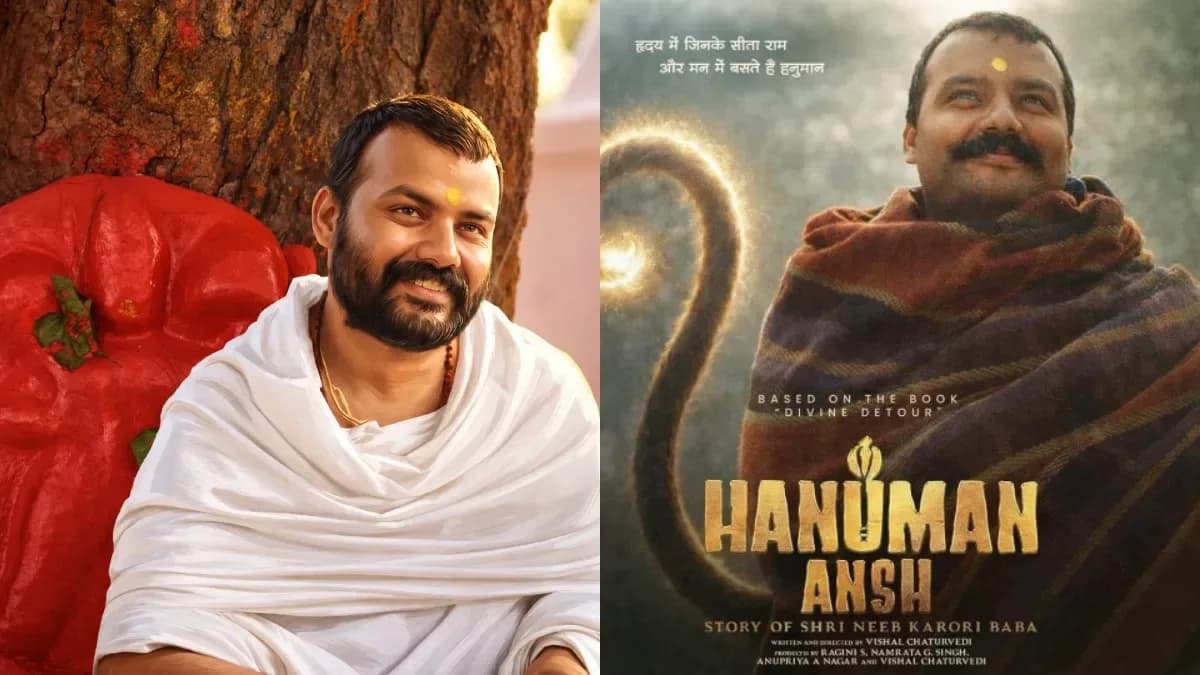
The two men weren't strangers before this. Mulkalwar said he'd known Chaturvedi for over a year and had been trying, without luck, to visit Kainchi Dham for four years running. He finally made the trip in April last year. Chaturvedi offered him the film in July, and when Mulkalwar mentioned the visit, the director was reportedly taken aback by the coincidence. Before shooting began, Chaturvedi held a 43-day recitation of the Hanuman Chalisa, and Mulkalwar says he was part of that too. He describes the producers, named as Ragini, Namrata and Anupriya, along with much of the cast and crew, as similarly devotion-driven, which he credits for the collaborative energy on set.
The money, though, was tight. Mulkalwar converted his own house into a working studio and pulled in musician friends as favours. Chaturvedi, for his part, reached out to Swar Sharma, grandson of Pandit Jasraj and reportedly among his last disciples, who agreed to record for the project. Getting regional authenticity right meant matching instruments, singing styles and dialect to wherever a scene was set, down to specifics like Sunil Lodhi's bhajan Maine Tere Hi Bharose Hanuman.
There's a small twist buried in the soundtrack too. Chaturvedi didn't just direct the music videos, he sang one of the songs himself, Hridaya Mein Jinke Sita Ram, which plays over the end credits. Mulkalwar says audiences leave the hall humming it, which he reads as proof the director has as much of an ear for the emotional register of a scene as he does for staging one.
Asked what comes next, Mulkalwar was cagey. He says calls are coming in and conversations are underway, but it's too early to name anything. For now, Hanuman Ansh remains the project he calls his most demanding yet, seven to eight months of altered routine, early mornings, and, in his telling, not much room for compromise.


Be the first to comment
Join the argument. No password, just your email or a passkey.