The veteran actress’ glowing review of her daughter Esha Deol’s latest film has sparked debate — not over the movie, but over who gets to speak for the narrative.
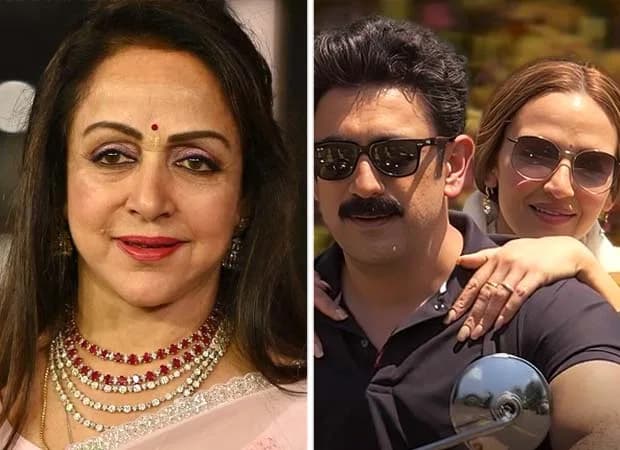
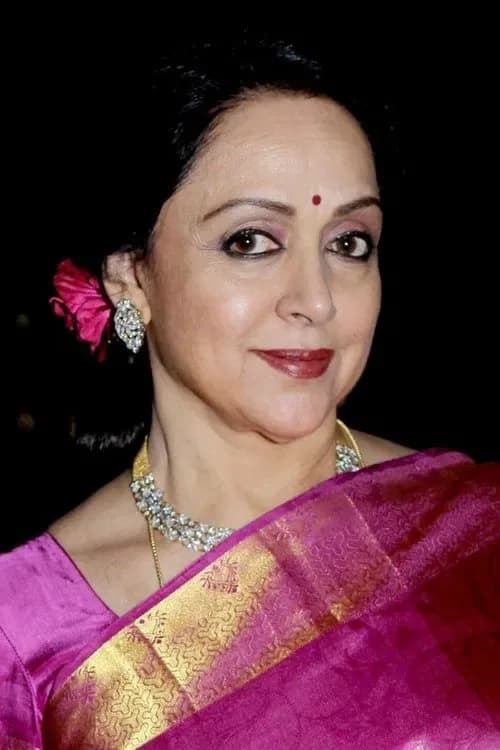
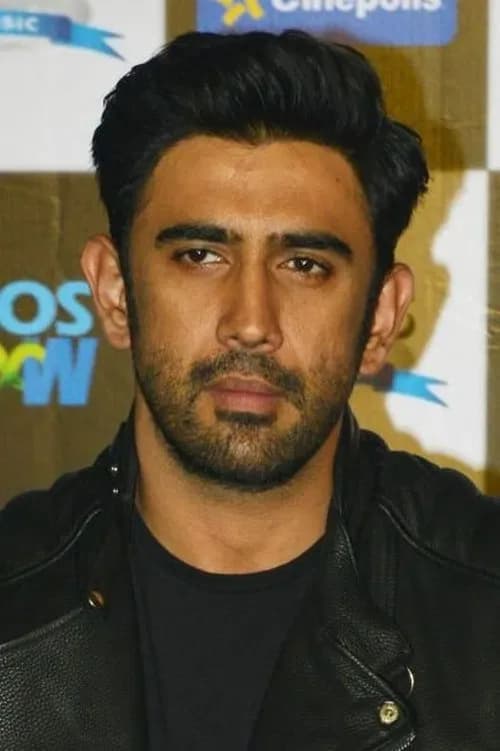
Pratap released on November 20. Hema Malini posted her take on X the next day. She called it a ‘beautifully made sensitive film’, praised Amit Sadh’s ‘stirring, poignant portrayal’ of a cop turned prisoner, and gave credit to writer-director Sachin Saraf for handling a ‘tough, intense theme well’ — all while referring to Esha Deol as ‘good in her role’ as the officer’s wife.
That was the full extent of her public comment. No mention of the film’s controversial subject matter. No nod to the political weight of its premise. Nothing about the real-life debates around police encounters that have simmered across India for years.
Just praise. And a name check for her daughter. The post went viral, not because of its substance, but because of who said it. Hema Malini doesn’t just act.
She represents legacy. Her approval carries more than a star’s stamp. It carries legitimacy. So when she says she ‘really enjoyed watching’ a film about institutional accountability, people listen.
But they also wonder: what does it mean when the mother of the lead actress frames a film about systemic violence as a personal triumph? The film itself hasn’t drawn much attention beyond trade circles. No major reviews yet. No social media storm.
But Hema Malini’s endorsement has already shifted the conversation. Not toward the film’s message, but toward the optics of its reception. A daughter’s career. A mother’s blessing.
A politician’s quiet endorsement. The absence of any critique, or even context, from the rest of the industry is telling. No other actor, director, or critic has weighed in. Not one.
Not even a single retweet. That silence isn’t neutrality. It’s a signal. In a landscape where films on law enforcement are either glorified or vilified, Pratap sits in the middle.
And Hema Malini’s review, brief, warm, emotionally charged, lands like a verdict. But what’s missing? The tension. The argument.
The discomfort. The kind of discourse this film should spark. Instead, we get a family moment. A mother’s pride.
A daughter’s name in lights. With Papa’s blessings, here I am. That line, from another piece on the same film, now feels loaded. Not just poetic.
Political. Because if the film is meant to question power, then why is its most visible champion someone whose own legacy is tied to the very institutions it might be challenging? The questions aren’t answered. They’re just there.
Waiting. For someone else to say them out loud.



Be the first to comment
Join the argument. No password, just your email or a passkey.