David Anspaugh's 1986 basketball drama hits its fortieth year with renewed attention following Gene Hackman's death last year at 95.
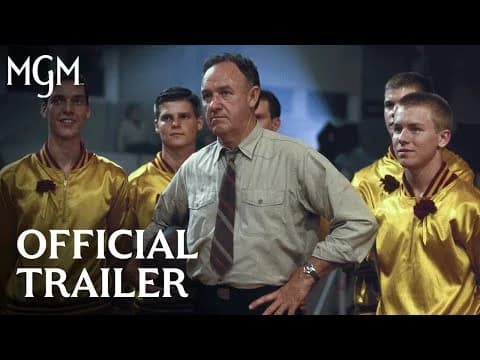
Forty years on, Hoosiers is still the film people reach for when the argument about the greatest basketball movie ever made starts up again. David Anspaugh's 1986 debut, built around Gene Hackman as the stubborn new coach of a struggling Indiana high school team, released that year and has only tightened its grip on fans since.
The anniversary arrives with an extra weight this time. Hackman, who retired from acting in 2003, died last year at 95, and Hollywood in Toto's retrospective on the film's 40th year leans heavily on that loss. The outlet calls him one of the finest screen actors of his generation, noting it's easy to name a bad Hackman movie because there simply aren't any where he isn't good.
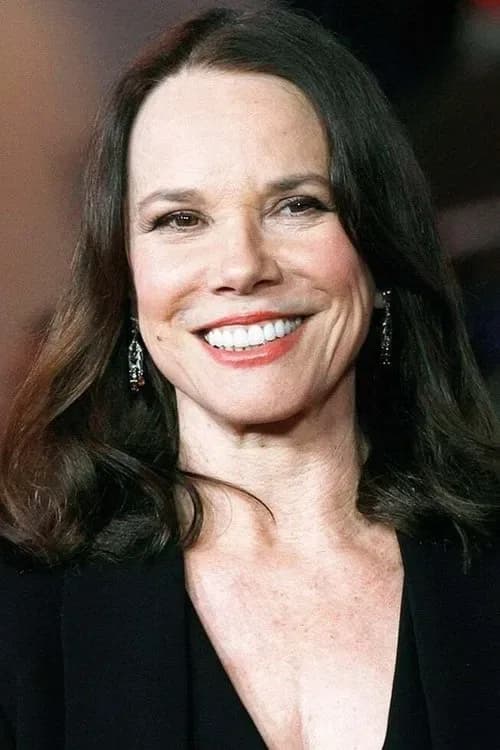
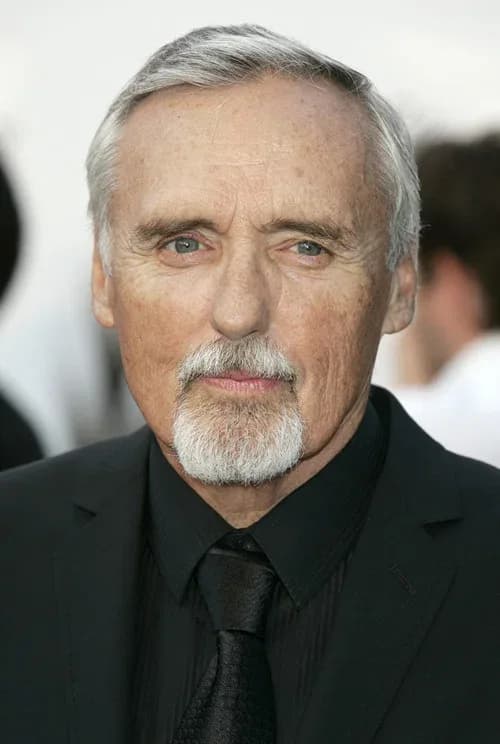
The story itself is small and stubborn, like its lead. Coach Norman Dale lands in the fictional town of Hickory, Indiana, and immediately clashes with locals wary of his methods. He doesn't help his case by bringing in Wilbur "Shooter" Flatch, the town's known drunk, played by Dennis Hopper, as his assistant. Barbara Hershey plays Myra, a teacher who becomes one of the few people in town willing to give Dale a chance before the whole school does.
What's kept Hoosiers alive for four decades isn't really the games, according to Hollywood in Toto's piece. It's the character study underneath them, an introverted, difficult man whose players see something in him the town takes longer to trust. Hopper's performance as a man fighting to be seen as more than a local punchline gets singled out too, alongside Jerry Goldsmith's score, which the outlet says stays locked into the film's small-town emotional register throughout.
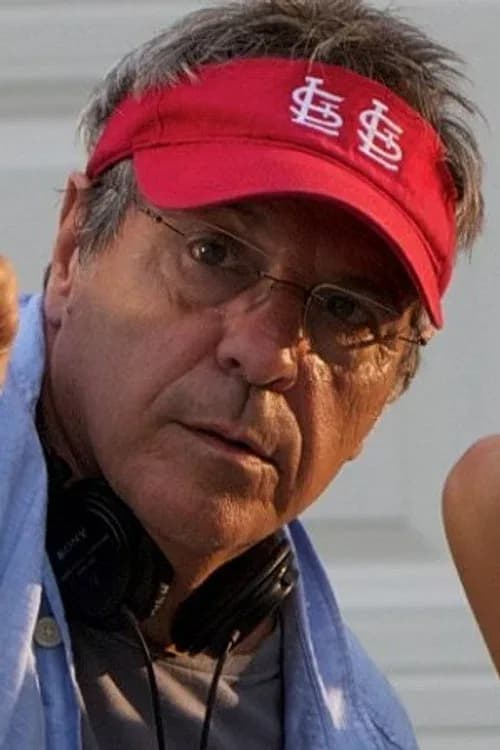
Anspaugh has talked before about why the film keeps finding new audiences in Indiana specifically. Basketball there, he's said, "is a religion," one that shapes how entire communities and schools understand themselves. That's not incidental to Hoosiers' longevity. Much of the film was shot at Butler University's basketball arena in Indianapolis, and Hollywood in Toto's writer describes visiting the building years later and finding a framed photo of the cast in period costume hanging quietly among the university's own championship memorabilia, as if the movie had simply become part of the venue's real history.
That's the pull Hoosiers has on people who grew up around the sport, this piece argues. Not just basketball obsessives or Hackman completists, but people for whom the film reads as a document of a specific place and time. One anecdote in the retrospective describes a framed Hoosiers poster hanging in a fan's basement, treated less as movie memorabilia than as a personal artifact.
There's no franchise push here, no restoration announcement, no studio event tied to the milestone as of this week. What's circulating instead is appreciation, sharpened by Hackman's absence, for a film that never needed a sequel to make its case. Whether any formal 40th-anniversary release or screening materializes remains to be seen.

Be the first to comment
Join the argument. No password, just your email or a passkey.