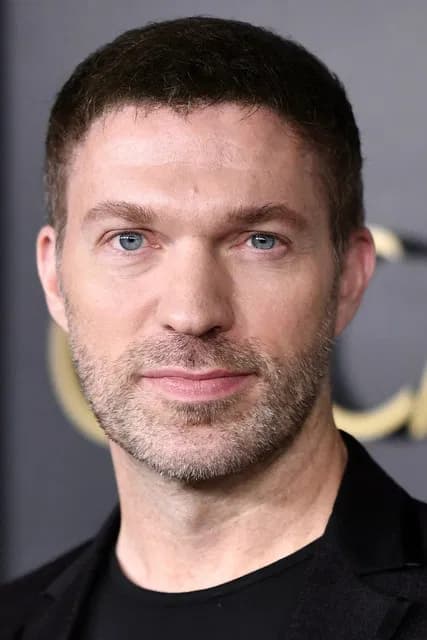
It took 16 years to make Wildwood. That’s longer than Barack Obama’s first term in office. Travis Knight, director of LAIKA’s latest stop-motion fantasy epic, stood at Deadline’s Contenders London event on Thursday morning and admitted the process was so grueling it nearly broke the studio — or perhaps society. ‘It could have gone either way,’ he said, describing the painstaking craft behind every frame. The film, based on Colin Meloy’s 2011 novel, is now finally arriving, not as a children’s tale, but as a story steeped in loss, grief, and the emotional cost of holding on. It’s also LAIKA’s first film rated PG-13, a decision made not out of hesitation, but with care. Knight insisted they wanted to treat complex themes. Like how far one would go for love, when to let go, and what it means to keep your heart open, with honesty. He believes young audiences aren’t just capable of feeling these things. They already do. Animation, he argued, offers a safe distance from reality, allowing difficult emotions to take shape in fantastical worlds. And that’s exactly what Wildwood does: it reflects inner lives through a different prism. The film features murder upon murder of vicious crows, full-on battle scenes across magical realms, and a visual language built entirely by hand. Knight called stop-motion the ‘absolute worst way’ to make a movie. ‘painful’, ‘challenging’, ‘the most difficult method imaginable’. But he also believes it has a unique beauty. ‘The process of creating art leaves fingerprints on the art itself,’ he said. And those fingerprints? They’re visible in every detail. From the tiny movements of puppets under set lights, moved a microscopic distance, photographed, repeated. To the work of cinematographer Caleb Deschanel, composer Dario Marianelli, and costume designer Deb Cook, who all contributed to a world crafted over years, not months. This isn’t just animation. It’s devotion. The film arrives not with fanfare, but with quiet insistence: that some stories demand time, patience, and hands that won’t quit. Now, the only question left is when it will reach theatres. The world has waited long enough.
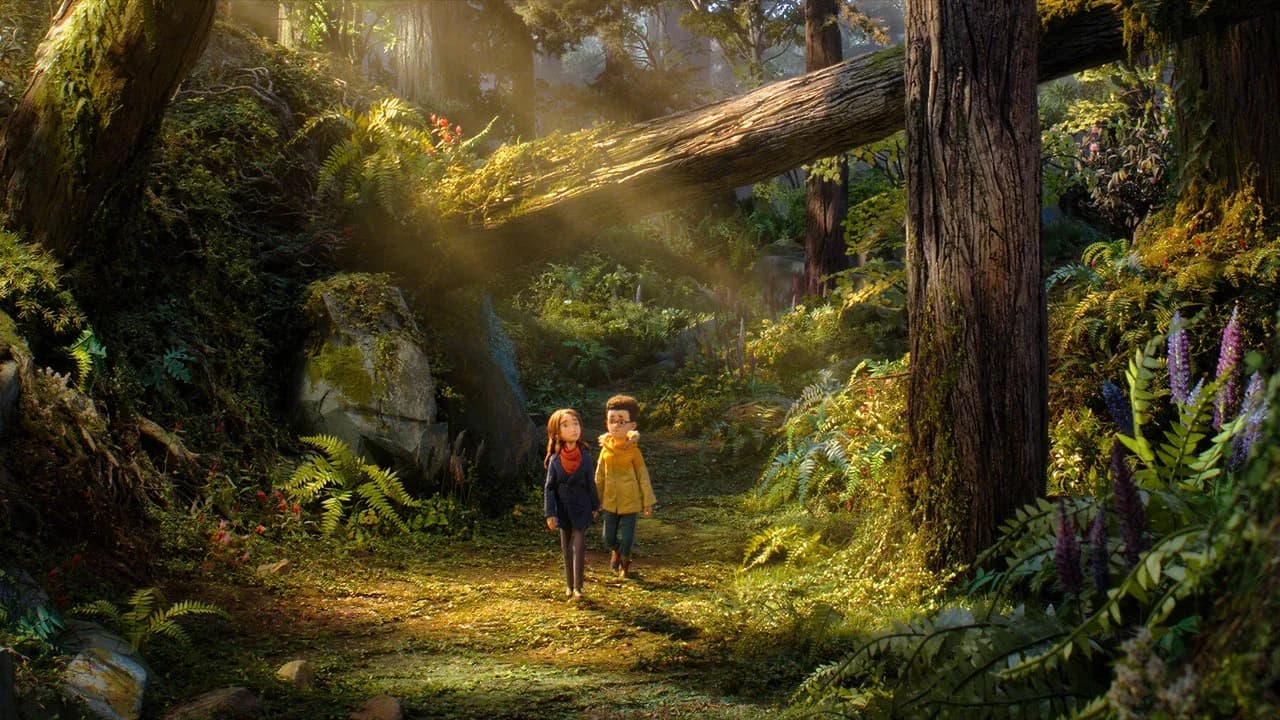 Photo via TMDB
How 16 Years of Stop-Motion Built Wildwood
Travis Knight says it took 16 years to make Wildwood. He calls stop-motion the 'absolute worst way' to make a film. But the fingerprints of that struggle? They’re in every frame.
In this story
Live site hype
around 3 reading right now · 507 today
About the film
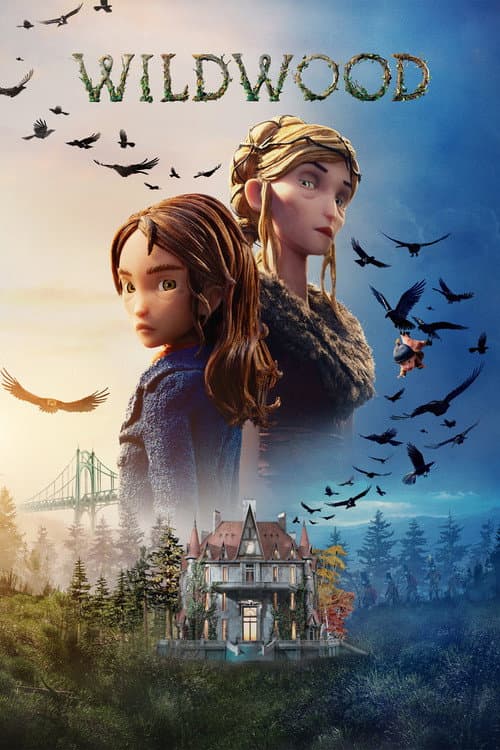
Wildwood
23 October 2026 · in theatres · cast, trailer and release details
Reported from
This article was written by the CutMirchi desk from the reporting above. Facts are attributed to their original publishers.
Read next
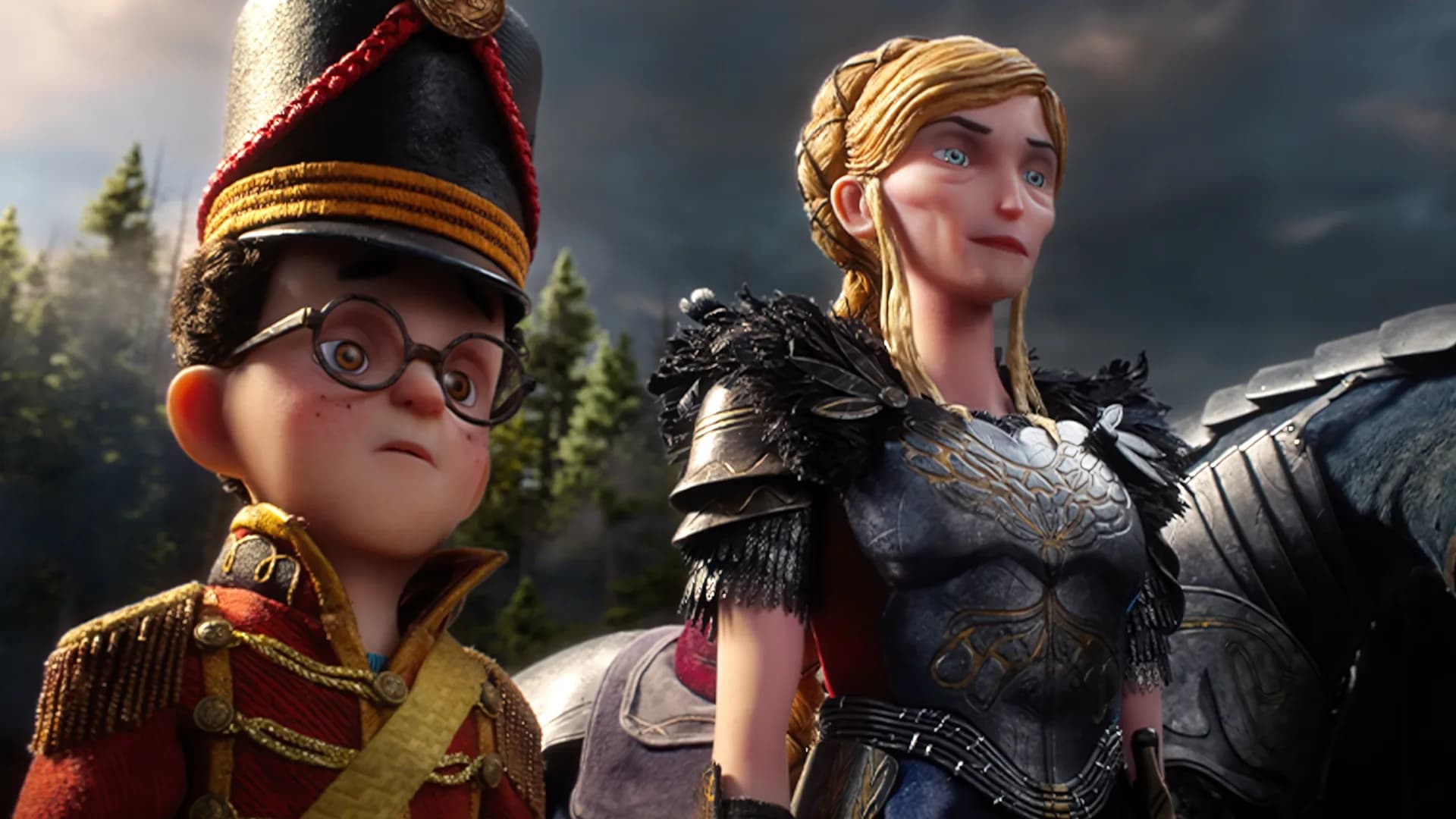
Laika's Wildwood To Open AFI Fest Ahead Of Theatrical Release
Laika's stop-motion feature Wildwood, directed by Travis Knight, will open the 40th AFI Fest on October 21 for its US premiere, ahead of an October 23 theatrical release via Fathom Entertainment.
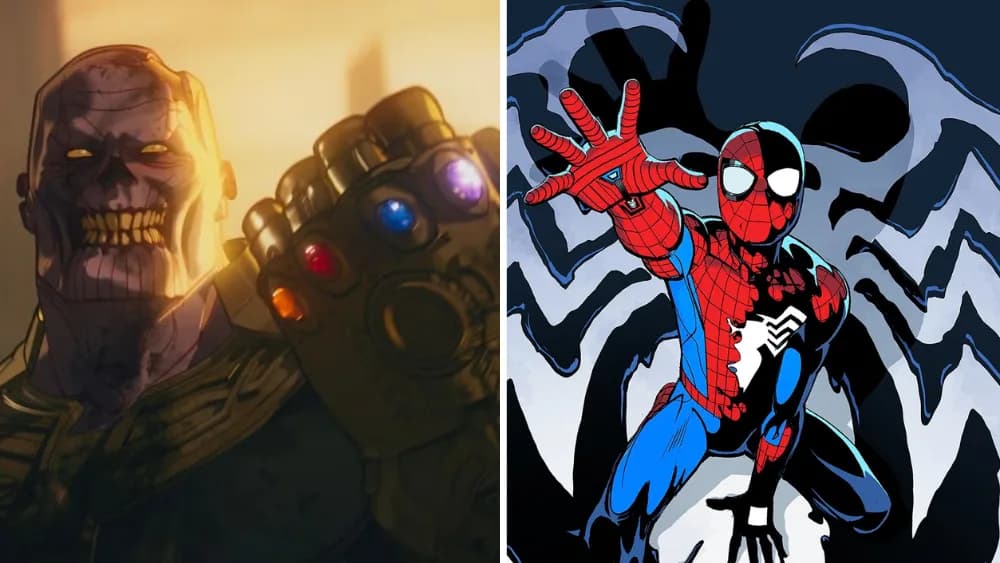
Spider Man 2: Your Friendly Neighborhood Returns in January 2027
Marvel Zombies is back — and this time, it’s Halloween. Not just once, but three times. The animated horror spin-off of the MCU has officially been greenlit for a trilogy of specials, with the first dropping on Disney+ next October.
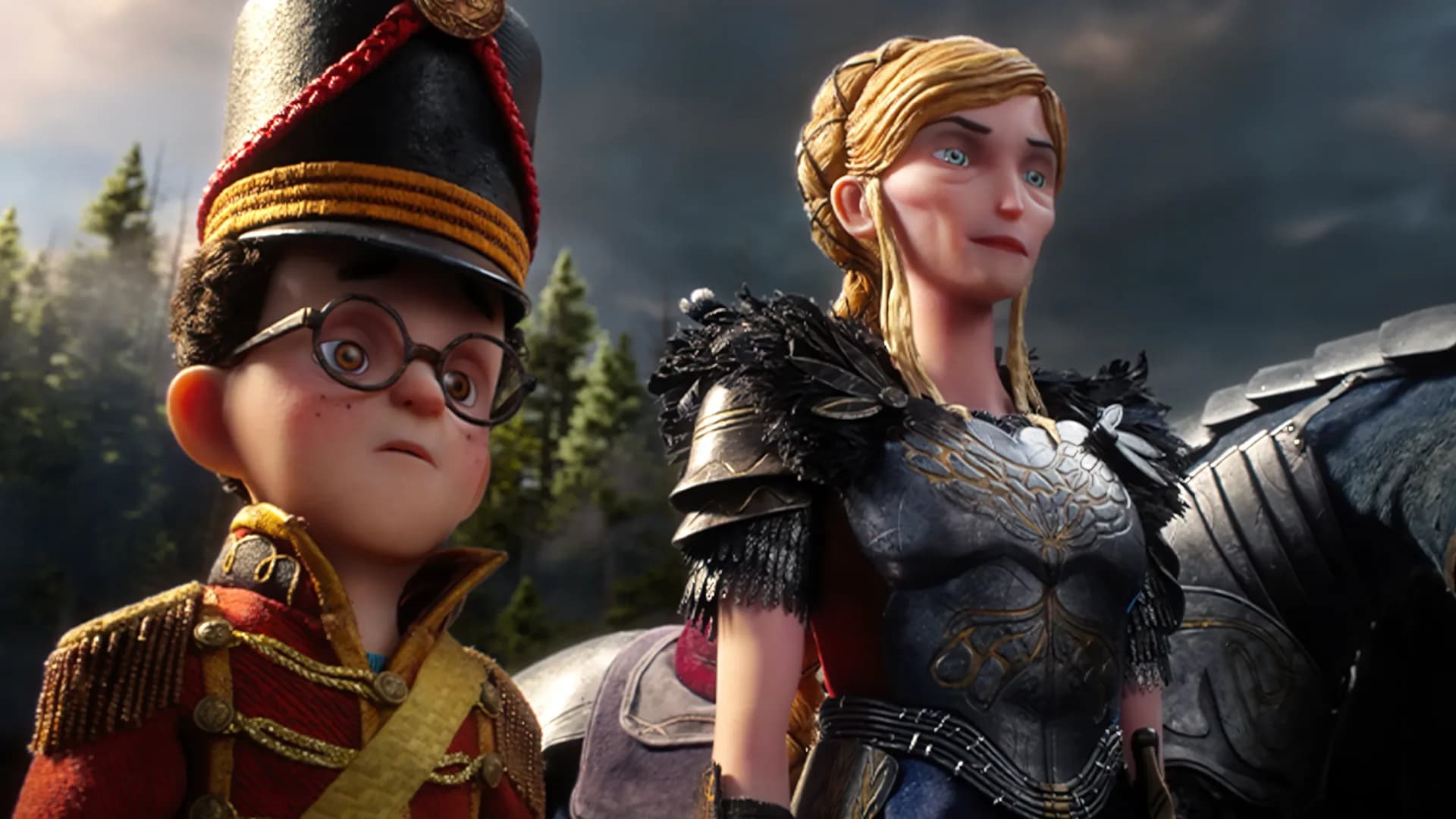
AFI Fest 2026 Unveils Star‑Studded Lineup Including Wildwood and Herzog’s Bucking Fastard
Hollywood’s AFI Fest returns for its 40th anniversary with a packed slate of 157 films. Highlights include the animated debut Wildwood, Werner Herzog’s Bucking Fastard starring the Mara twins, and a biopic closing slot, signaling a diverse mix of mainstream and avant‑garde cinema.
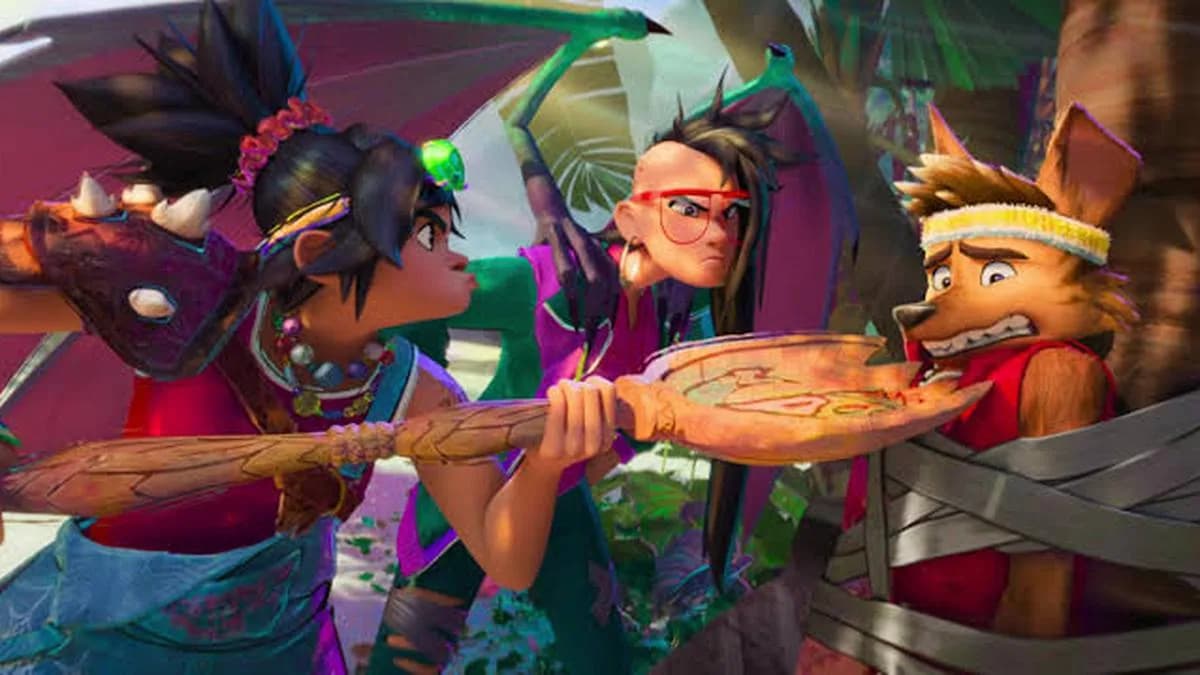
DreamWorks' Forgotten Island Delivers Folklore‑Rich Adventure
Forgotten Island, DreamWorks’ latest animation, mixes bright Filipino folklore creatures with a heartfelt teen friendship, set against retro‑style graphics that feel like a sugar‑high visual ride.
Be the first to comment
Join the argument. No password, just your email or a passkey.