Truckloads from Sendhwa, Palsud and Jalwaniya have poured in, leaving traders scrambling for space as prices hover between Rs 6 and Rs 20 per kilo.
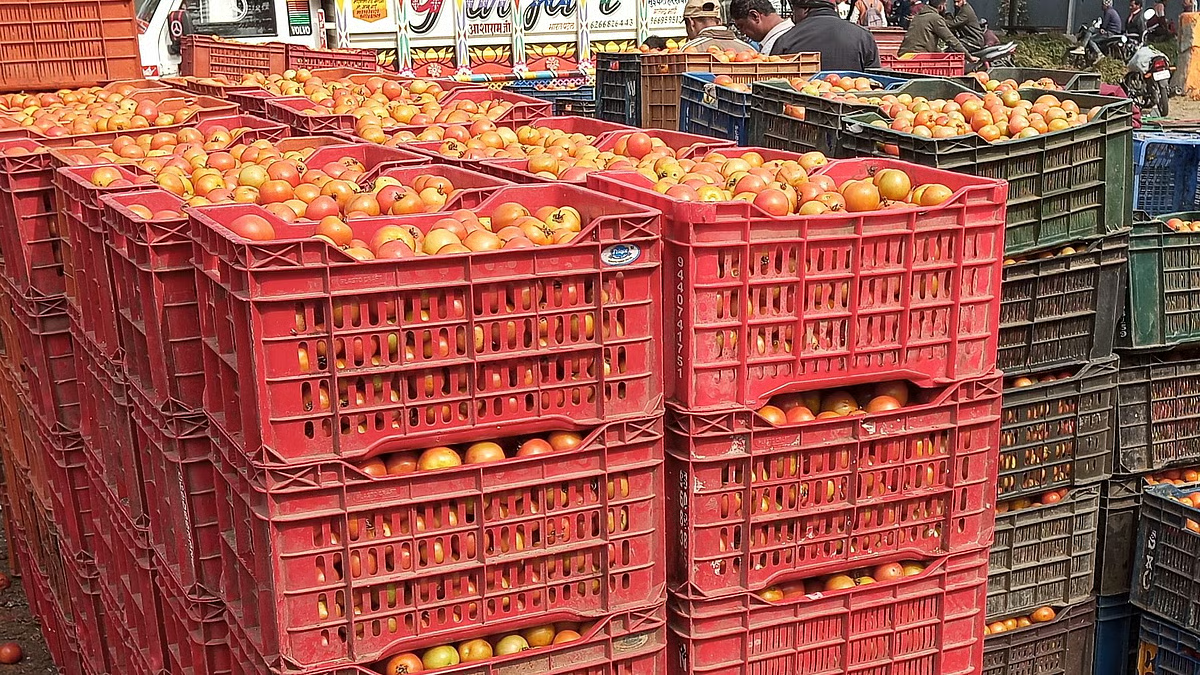
On Thursday, the Choithram wholesale market in Indore was flooded with more tomato crates than it could handle. Even though the monsoon was weak this season, farms in the surrounding Sendhwa, Palsud and Jalwaniya belts turned out a bumper crop, and the surplus rolled straight into the city’s hub.
City officials estimate that Indore’s appetite for the red fruit sits at roughly five to seven thousand crates a day. Right now, the inbound numbers are pushing well beyond that range, forcing market operators to juggle piles of produce in cramped aisles. Traders say the sudden glut is stretching the market’s capacity to its limits.
“Every corner is packed,” one vendor told reporters, gesturing at rows of stacked crates that block the usual loading lanes. “We’re spending extra minutes just to move a single pallet.” The bottleneck is not just a matter of inconvenience. It is eating into profit margins as each extra minute adds labour costs.
Prices have reflected the oversupply, hovering between six and twenty rupees per kilogram depending on quality. While lower‑end tomatoes are selling cheap, premium batches still fetch a decent rate, leaving sellers with a mixed bag of outcomes.
Beyond the space crunch, traders voiced two other sore points. First, they claim the market’s fee‑collection points are charging more than the official rates. “We’re being asked for receipts that don’t match the schedule,” a senior dealer said, urging the mandi administration to audit the system.
Second, the municipal corporation’s waste‑dumping practices have turned the floor into a smelly mess. Piles of garbage sit beside the crates, emitting a foul odour that traders fear could accelerate spoilage. “If the trash isn’t cleared regularly, the tomatoes rot faster,” another seller warned.
In response, the sellers have drafted a list of demands. They want the market to carve out a dedicated waste‑disposal zone and to step up cleaning crews, especially during peak arrivals. They also ask for an expansion of the storage area or a re‑organisation of the existing space so that perishable goods like tomatoes can be kept in better conditions.
The market’s management has yet to issue a formal statement, but insiders say a meeting with municipal officials is on the calendar for early next week. If the talks bear fruit, traders hope to see a modest increase in the number of loading bays and a clearer fee‑structure.
What’s next for Indore’s tomato trade?
The immediate challenge is logistical – clearing the current backlog without letting the produce go bad. Longer‑term, the glut could push farmers to look for alternative buyers outside the state, potentially reshaping supply chains that have long centred on Choithram. For now, the market’s daily rhythm is defined by the clatter of crates, the hum of trucks and the steady chant of traders demanding a cleaner, more spacious floor.
As the season progresses, the balance between supply and demand will dictate whether the current overflow turns into a lasting surplus or settles back to normal levels. Traders are watching the price board closely, hoping the market’s growing pains will soon give way to steadier sales.
The next update is expected after the municipal‑market meeting, slated for the first week of October. Until then, the scent of fresh tomatoes will mingle with the smell of garbage, a reminder that even the most basic commodities can spark a logistical drama.



Be the first to comment
Join the argument. No password, just your email or a passkey.