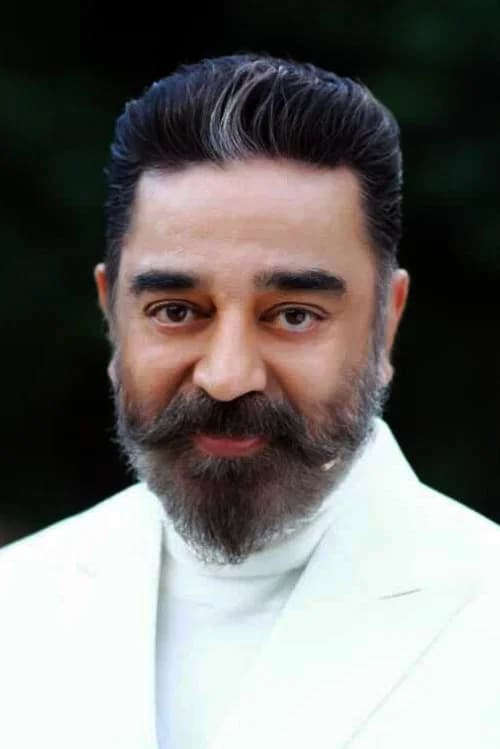
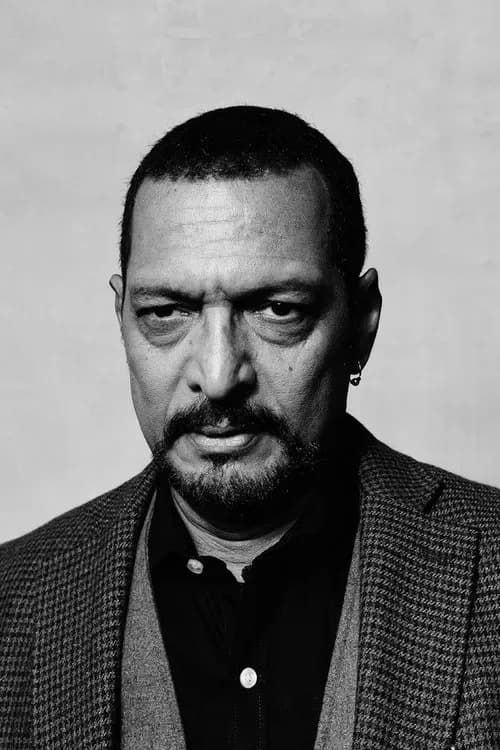
Nana Patekar is dead. At 75, he passed away in the early hours of Thursday, October 8, after suffering a severe cardiac arrest at his residence in Dona Paula, Goa. He was found unresponsive and rushed to Manipal Hospital, where medical staff attempted cardiopulmonary resuscitation for nearly 45 minutes. Despite their efforts, he could not be revived and was declared dead at approximately 5:20 AM IST. His son, Malhar Patekar, confirmed the news shortly afterwards. The actor’s mortal remains are now being transferred from Goa to Pune, where his last rites will take place at his farmhouse in Donje on the outskirts of the city. The Maharashtra government has announced that Nana Patekar will be accorded a state funeral with full honours — recognising both his stature in Indian cinema and his contributions through the Naam Foundation. The foundation’s work, particularly in supporting farmers across Maharashtra and his volunteer service during the Kargil War, has been cited as central to his legacy beyond the screen. Kamal Haasan paid tribute to him on X, sharing a photograph and writing, “Heartbreaking news of Nana Patekar Ji’s passing. An extraordinary artist and an even greater human being. The man was a force of nature, and he uplifted the lives of those around him. Beyond the screen, his work helping farmers in Maharashtra and his volunteer service during the Kargil War spoke volumes about his deep sense of duty. My deepest condolences to his family and his legions of fans.” The message underscored a life lived with purpose, not just as a performer, but as a public figure committed to social causes. Tributes have since flooded in from across the film industry and political circles, including statements from Rahul Gandhi, Rajnath Singh, Smriti Irani, and Pawan Kalyan. Yet it is Kamal Haasan’s words that linger: a recognition that Patekar’s impact stretched far beyond the frame, into the real world. Now, the silence where his voice once stood feels heavier than any applause.
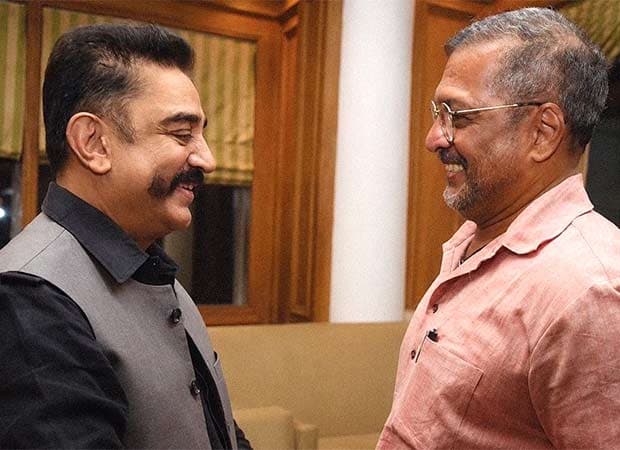 Photo via Bollywood Hungama - Features
Kamal Haasan Pays Emotional Tribute to Nana Patekar, Calls Him 'An Extraordinary Artist and an Even Greater Human Being'
Nana Patekar's death at 75 triggers a wave of tributes, with Kamal Haasan calling him 'an extraordinary artist and an even greater human being'—a nod to his off-screen activism. State funeral confirmed, body en route to Pune.
In this story
Live site hype
around 2 reading right now · 231 today
Reported from
- Bollywood Hungama - Features — Kamal Haasan mourns the demise of Nana Patekar; calls him “an extraordinary artist and an even greater human being”
- Bollywood Hungama - Main Feed — Kamal Haasan mourns the demise of Nana Patekar; calls him “an extraordinary artist and an even greater human being”
- The Times of India Entertainment — Kamal Haasan calls Nana Patekar ‘An extraordinary artist’
This article was written by the CutMirchi desk from the reporting above. Facts are attributed to their original publishers.
Read next
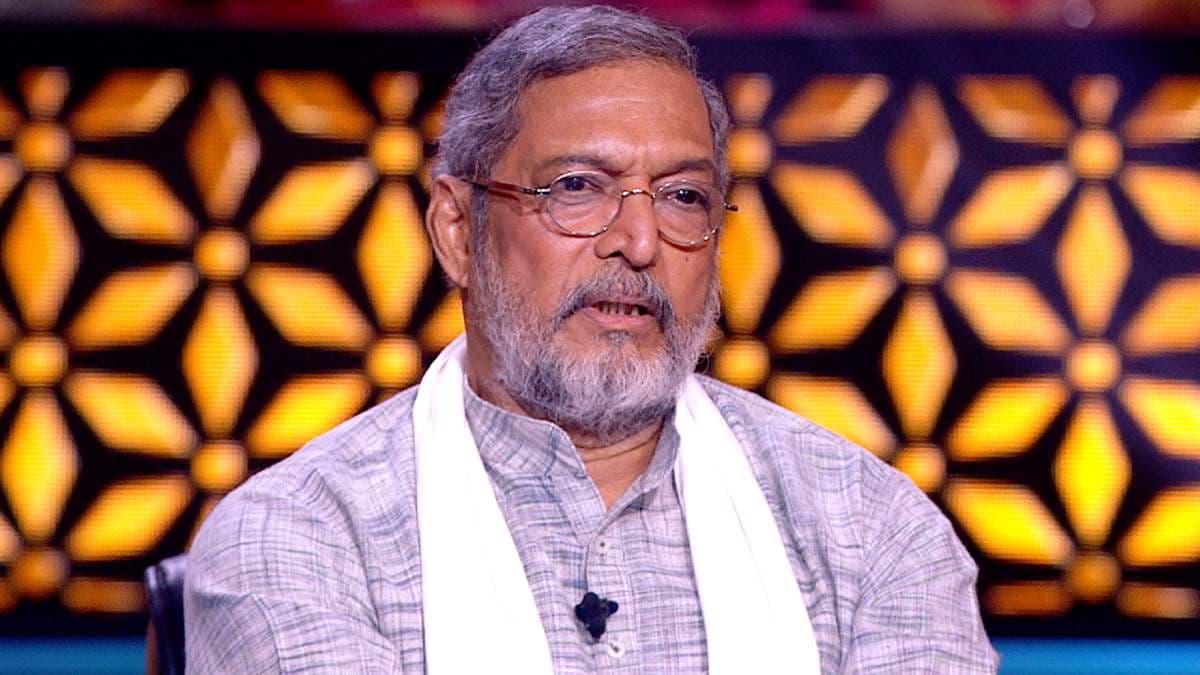
Nana Patekar Net Worth Spanned Rs 35 Wage To Rs 80 Crore
Nana Patekar passed away in Goa after a cardiac arrest. Reports peg his net worth between Rs 50-80 crore, built across five decades from theatre, films, farming and a reluctant late-career entry into brand endorsements.
Nana Patekar Dies at 75 After Cardiac Arrest in Goa
Nana Patekar, the three-time National Award-winning actor and icon of Indian cinema, has died at 75 after a cardiac arrest in Goa. His final rites are set to take place in Pune with full state honours.
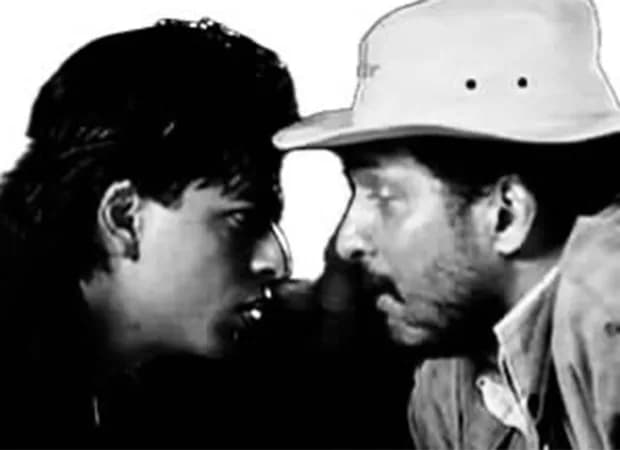
Shah Rukh Khan's Tribute to Nana Patekar: 'He Loved Me and I Loved Him Back'
Shah Rukh Khan remembered his first meeting with Nana Patekar and the carrom games they played together as he mourned the veteran actor’s loss.
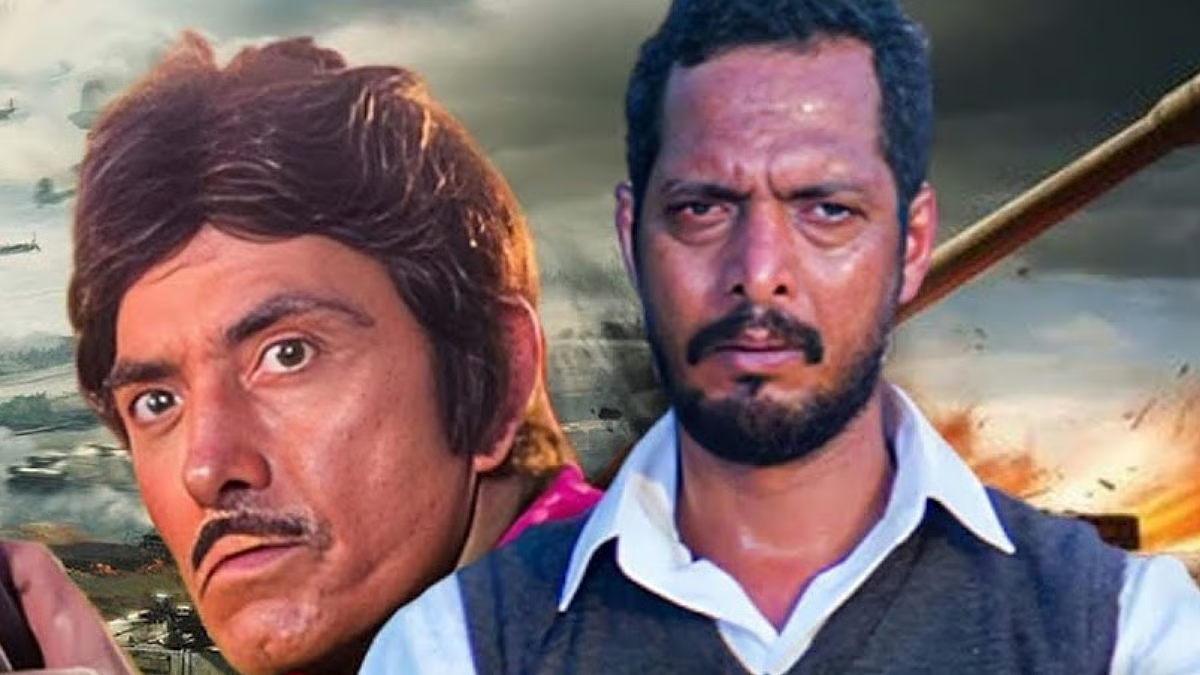
Nana Patekar Dies at 75; Final Film Postponed Amid Mourning
Nana Patekar died on October 8, 2026, in Goa at the age of 75, succumbing to cardiac arrest.
Be the first to comment
Join the argument. No password, just your email or a passkey.