The 2001 psychological thriller, once dismissed as self-indulgent, is being reassessed as a film that anticipated the dark, fractured storytelling streaming has since normalised.
Abhay is 25 this year, and it's finally getting the kind of conversation it didn't get in 2001.
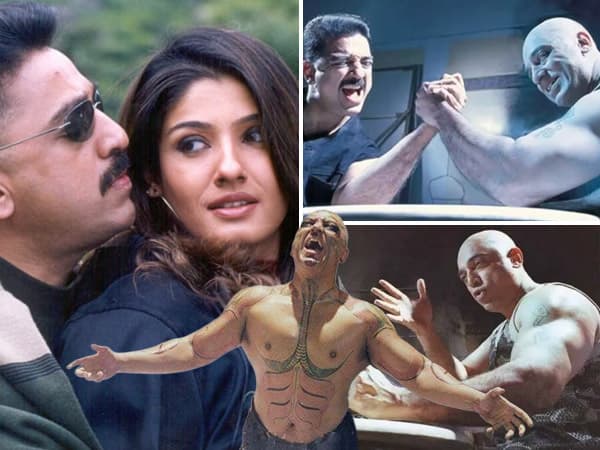
Kamal Haasan wrote, directed and starred in the film, playing a man being hunted by his own brother while the story splinters into animated sequences, fractured timelines and imagery meant to put viewers inside a damaged mind rather than just watch it from outside. At the time, that approach read as odd. Even Kamal himself has acknowledged the self-indulgence, according to Filmfare's retrospective on the film. The original cut ran past three hours. The symbolism didn't bother being subtle. Audiences and critics in 2001 weren't quite sure what to do with it.
One detail keeps resurfacing whenever Abhay comes up now: Quentin Tarantino reportedly told Anurag Kashyap that he'd seen the film and that it fed into the animated sequence in Kill Bill: Volume 1. That's according to Filmfare, and it isn't independently confirmed here, so treat it as reported rather than settled. But it's the kind of anecdote that's done more for the film's reputation in India than its actual theatrical run ever managed.
Strip that connection away, though, and there's still a case for revisiting Abhay on its own terms.
What reads differently now
The film's excess, all the things that made it feel undisciplined a quarter century ago, land differently in 2026. Mainstream content has spent the last decade getting comfortable with unstable protagonists, morally grey characters and violence that isn't there to reassure anyone. Streaming trained audiences to sit with discomfort instead of flinching from it. Abhay was attempting a version of that grammar before Indian cinema, or its audience, had the vocabulary for it.
That doesn't make the film's flaws disappear. The narrative is genuinely unwieldy in places. Some of the technical execution, understandably, looks dated a quarter century on. This is not a case for pretending Abhay was flawless and misunderstood in equal measure. It's messier than that, and more interesting for it.
What's harder to argue with is the ambition. Kamal was building toward something without the technological shortcuts or the primed audience that a filmmaker attempting the same thing today would have. He was reaching for a language mainstream Hindi and Tamil cinema hadn't fully arrived at yet.
Twenty-five years on, Abhay isn't being reclaimed as a masterpiece nobody noticed. It's being read as an experiment that got there early and paid the price for it at the box office and in the reviews. Whether that reassessment turns into an actual restoration, a re-release, or just another round of film-Twitter appreciation threads is the open question. For now, the film gets to be 25 and finally interesting to people who weren't watching in 2001.



Be the first to comment
Join the argument. No password, just your email or a passkey.