

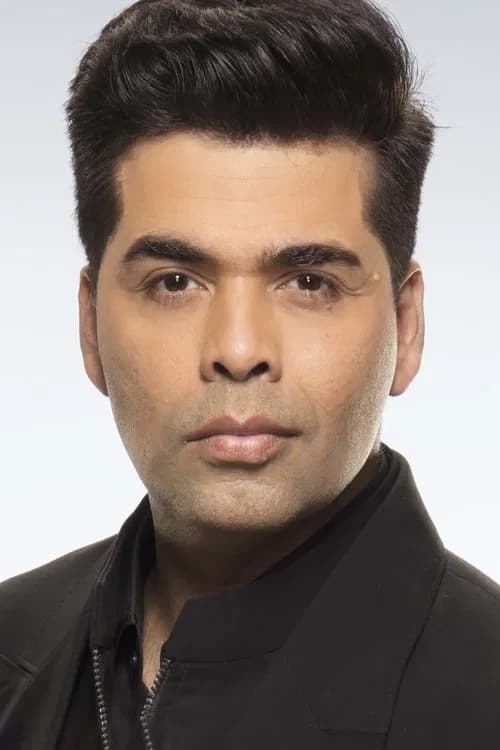
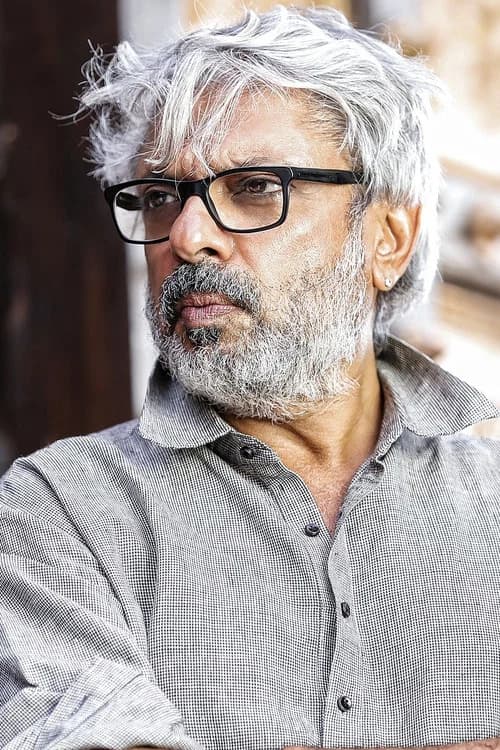
Karan Johar didn’t just name Sanjay Leela Bhansali as a director he admires — he said he believes Bhansali is better than him in craft and execution. The moment came during a rapid-fire round on Koffee With Karan 9, when Karisma Kapoor asked the filmmaker to pick one director who, in his view, stands ahead of him on those two fronts. No pause. No hedging. Just: ‘Sanjay Leela Bhansali.’ The answer was brief, but it landed like a verdict. Coming from a man whose name is synonymous with modern Hindi cinema’s emotional core, whose Dharma Productions has shaped the last decade of mainstream storytelling. The acknowledgment carries weight. It’s not a casual nod. It’s a recognition of mastery. Bhansali, long regarded as one of Hindi cinema’s most distinctive auteurs, has built a body of work defined by elaborate production design, heightened emotion, and a visual language rooted deeply in Indian art, music, and costume. His films don’t just tell stories, they stage them. From the opulent tragedy of Devdas to the mythic intensity of Padmaavat, his work operates on a scale that feels less cinematic and more ritualistic. He doesn’t direct movies. He constructs worlds. That distinction matters. Karan Johar’s own filmography. Centered on family dramas, urban romance, and intimate emotional conflicts, represents a different school of popular Hindi cinema. Where Karan leans into the personal, the domestic, the quietly devastating, Bhansali leans into the grand, the theatrical, the epic. One is about heartbreak in a Mumbai flat. The other is about love across empires. Yet both are anchored in precision. Bhansali in mood, performance, and frame. Karan in dialogue, pacing, and emotional resonance. The comparison isn’t new. Industry conversations have often placed Bhansali in the lineage of ambitious auteurs like Raj Kapoor, K. Asif, and Guru Dutt, filmmakers who treated cinema as high art. Such comparisons are subjective, yes. But they reflect how actors, directors, and audiences see him: not just a maker of films, but a creator of enduring visual identities. Now, Bhansali is at work on Love & War, a film bringing together Ranbir Kapoor, Alia Bhatt, and Vicky Kaushal. The cast alone has set expectations soaring. Add Bhansali’s reputation for mounting large-scale emotional dramas, and the project is already being watched closely. Not just for its stars, but for what it might mean for the future of Hindi cinema. And now, with Karan Johar publicly acknowledging Bhansali’s superiority? The conversation shifts. Not just about who’s better, but what excellence looks like in this industry. The next frame will tell us whether the crown holds.
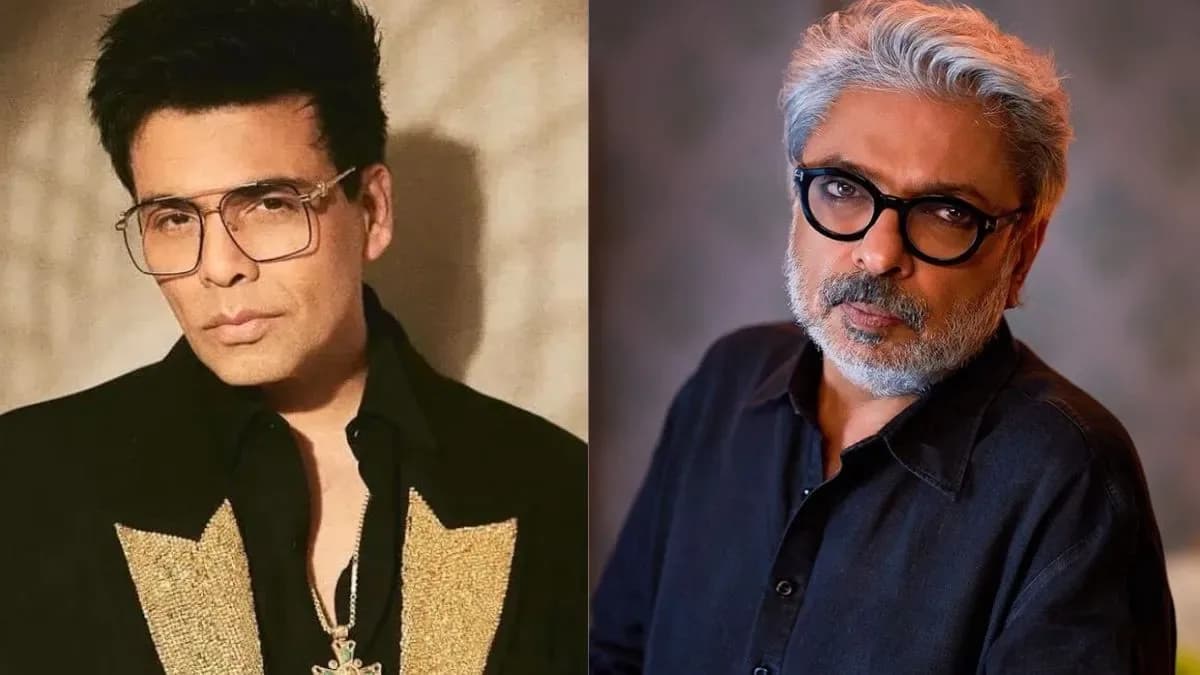 Photo via Filmibeat
Karan Johar Just Called Sanjay Leela Bhansali Better Than Him
Karan Johar picked Sanjay Leela Bhansali as the director he believes surpasses him in craft and execution on Koffee With Karan 9.
In this story
Live site hype
around 1 reading right now · 130 today
Reported from
This article was written by the CutMirchi desk from the reporting above. Facts are attributed to their original publishers.
Read next
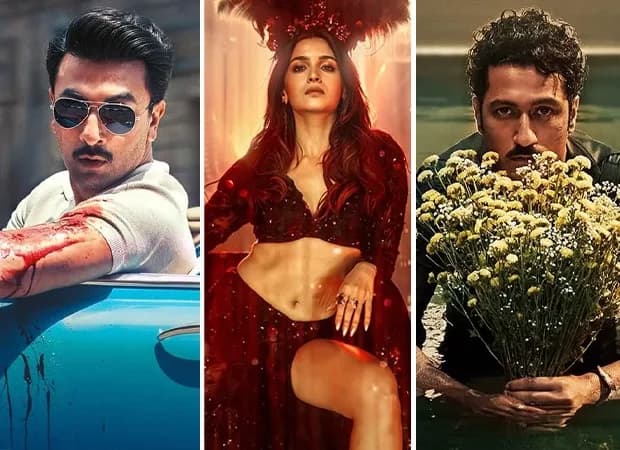
Love & War Show: Three Posters, No Launch, and a Storm of Speculation
Three posters, no launch, and a storm of speculation. That’s the new normal for Sanjay Leela Bhansali’s next film — and it’s working.
Love & War fetches record Rs 300 crore theatrical deal ahead of 2027 release
The Bhansali‑directed Love & War, set to hit screens on Jan 21 2027, has sold its theatrical rights for a staggering Rs 300 crore. Industry insiders say the deal reflects the star‑power of Ranbir Kapoor, Alia Bhatt and Vicky Kaushal, and signals confidence in a blockbuster opening.
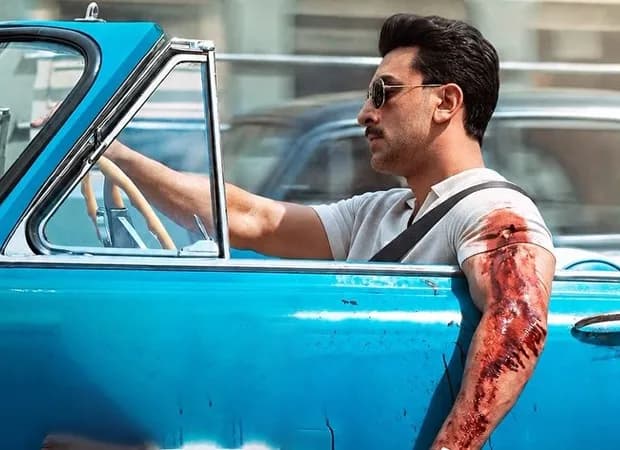
Mumbai Police Turn Ranbir Kapoor Poster Into Seat‑Belt Campaign
In a creative twist, Mumbai Police used Ranbir Kapoor’s Love & War poster to highlight seat‑belt safety, linking the film’s title with a public‑service reminder as the Bhansali‑directed drama gears up for a January 2027 release.
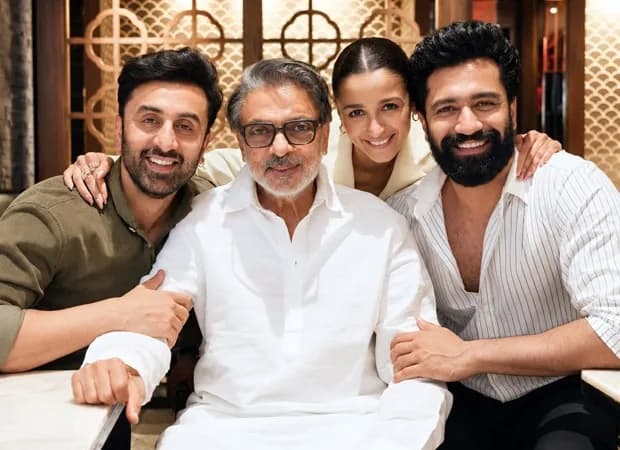
Ranbir Kapoor’s Birthday Bash Celebrated with Love & War Cast
Ranbir Kapoor spent his birthday dining with the Love & War team, a gathering that has amplified buzz ahead of the multilingual launch slated for January 21, 2027.
Be the first to comment
Join the argument. No password, just your email or a passkey.