The director tells The News Minute that Ilaiyaraaja's score and a research-heavy script turned a once-trolled festival film into a theatre full of strangers hugging each other.
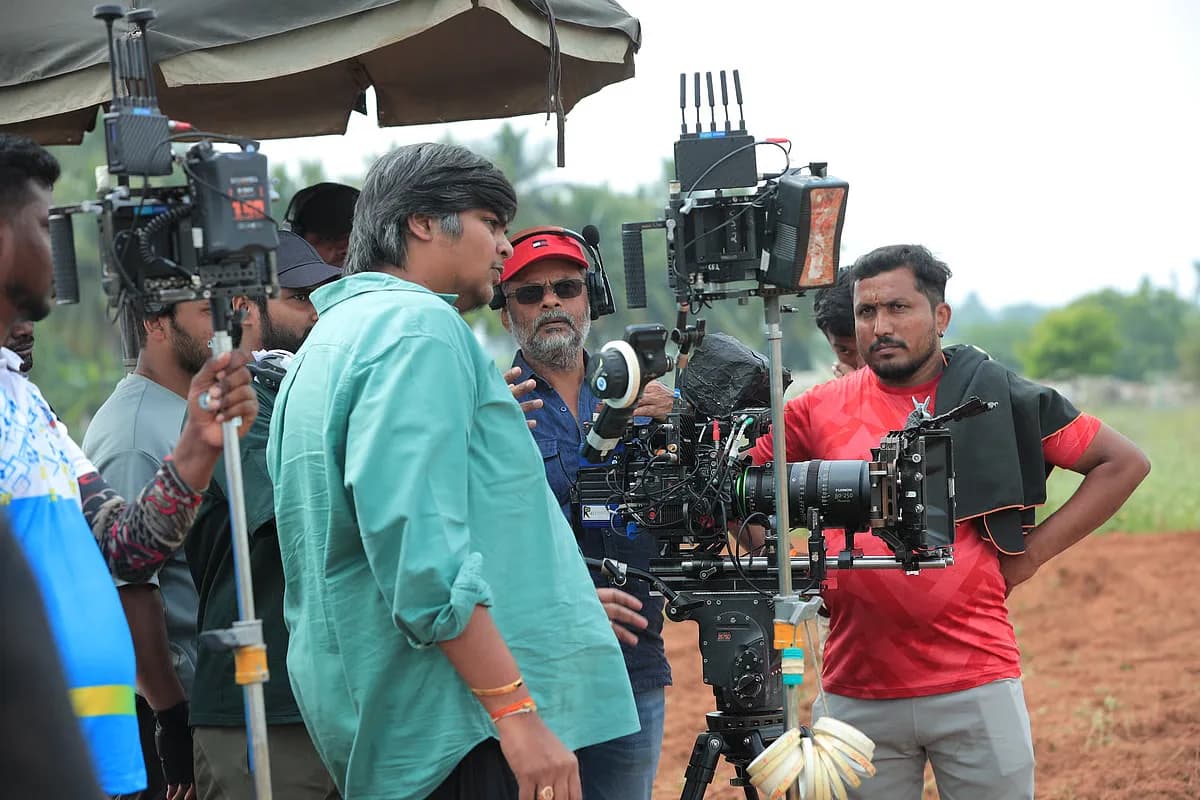
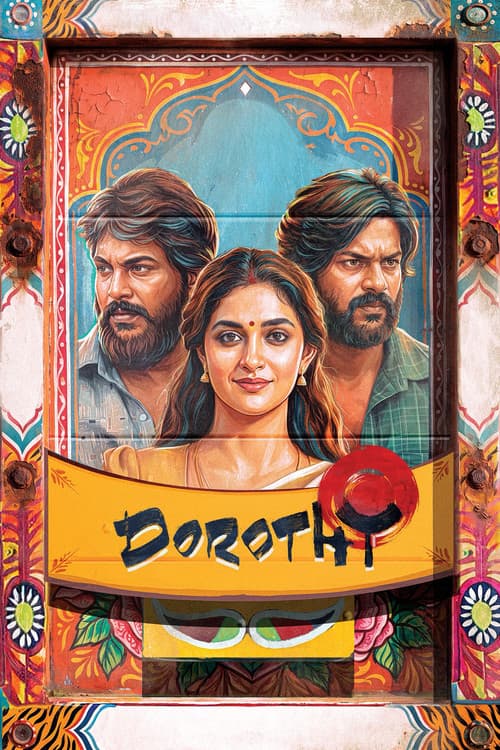
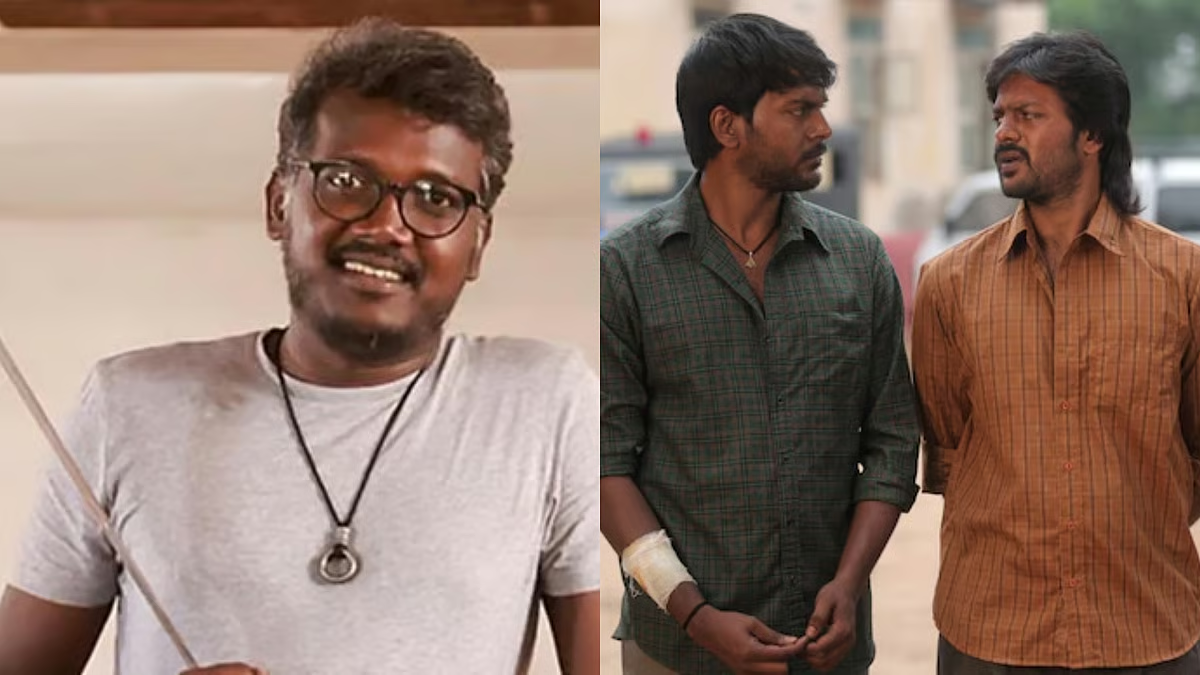
Karthik Subbaraj didn't expect this. Ten films into his career, the director has had audiences clap, whistle, even tear up quietly at Iraivi back in 2016. But Dorothy, which traces a friendship between two children and what happens after one of them comes out as a trans woman, has pulled something different out of people. Strangers hugging him after screenings. Trans women at a press meet calling him their younger brother. Lead actors Sananth and Rishikanth wiping audience tears off their own faces as the credits roll.
It wasn't always like this. After Dorothy premiered at TIFF, some social media accounts ran a hate campaign targeting the film's LGBTQIA+ themes, according to Subbaraj. His response, he told The News Minute, was simple: stay calm and trust the audience. That bet has paid off, with the film now drawing crowds well beyond its festival run and into a Telugu release in Hyderabad, where Subbaraj did a round of press.
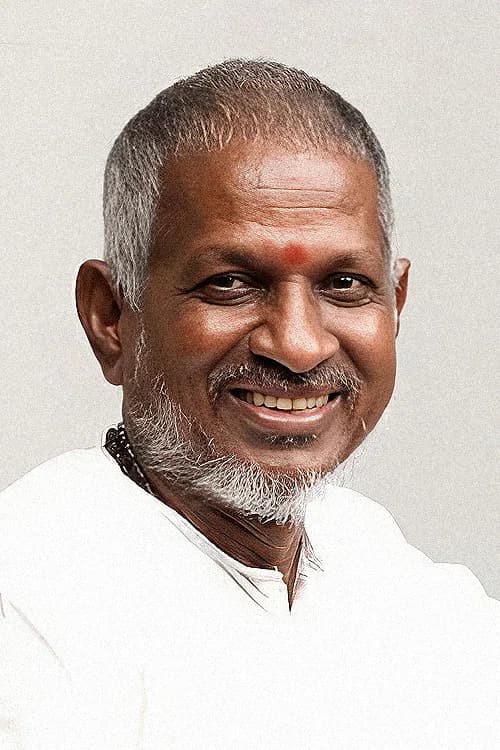
Much of the credit, in his telling, goes to Ilaiyaraaja. The composer's score, and particularly the song 'Muthumani', has reportedly left viewers in tears in theatres. One trans woman told an interviewer, per the report, that she expects the track to be used in future community rituals, a kind of afterlife for a film song that most composers would never imagine.
Subbaraj says the texture of Dorothy came from research, not imagination. The rooster that gives the film its namesake character grew out of stories about the bird being the mount of Goddess Bahuchara Mata, which sent him down a path toward rooster fights as a motif, something that also fit naturally since the film is set in Madurai, where the sport is part of daily life. Smaller details, a bus marked 'tharagai', a shopfront called Angel Textiles, a glimpse of a 'Raymond — The Complete Man' hoarding, came from a team he sends out specifically to gather real-world material before rewrites.
He also pushed back gently on how audiences have read the film's tone. People assume the journey toward the end-of-film ritual is bleak, he said, but it is staged as something closer to a festival, with the person undergoing it treated like a child being given whatever they ask for, because it's framed as a kind of rebirth.
On performances, Subbaraj says Sananth and Rishikanth initially worked with someone to absorb Madurai's local rhythms, before deciding they'd rather find it themselves, living like locals and arriving at a script reading already inhabiting the characters. He wanted their physical business, tying a lungi, riding a bicycle while towing another, to look like muscle memory rather than choreography.
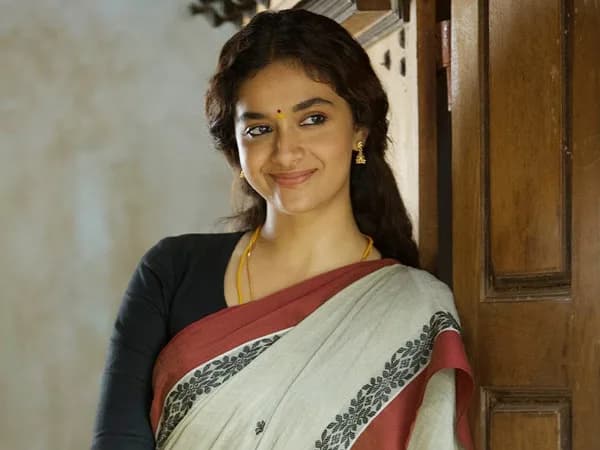
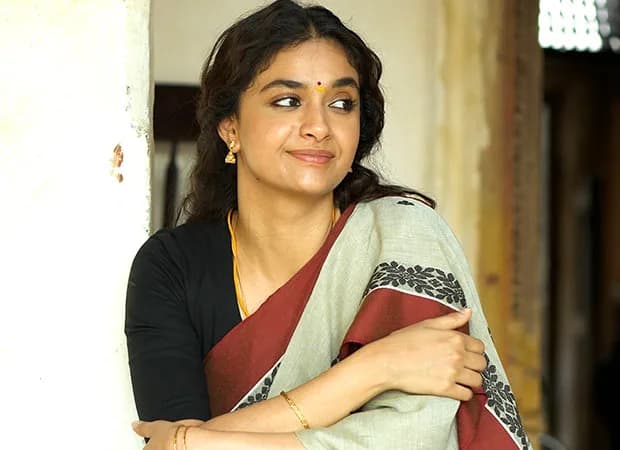
One thread he deliberately left loose: what exactly happened to Keerthy Suresh's character, Dorothy, before the film's present timeline. Subbaraj says he wanted audiences to understand the real nature of her bond with the lead only once the family itself learns the truth, and he's taken the online guessing as proof people are actually paying attention.
Dorothy is currently running in both its Tamil original and the newly released Telugu version, with word of mouth, not marketing, doing most of the work at this point.




Be the first to comment
Join the argument. No password, just your email or a passkey.