The four-day IFFJK closed in Srinagar with Tanya Maniktala winning Best Actress and Kapil Matoo's Tasrufdar taking the top local film award.
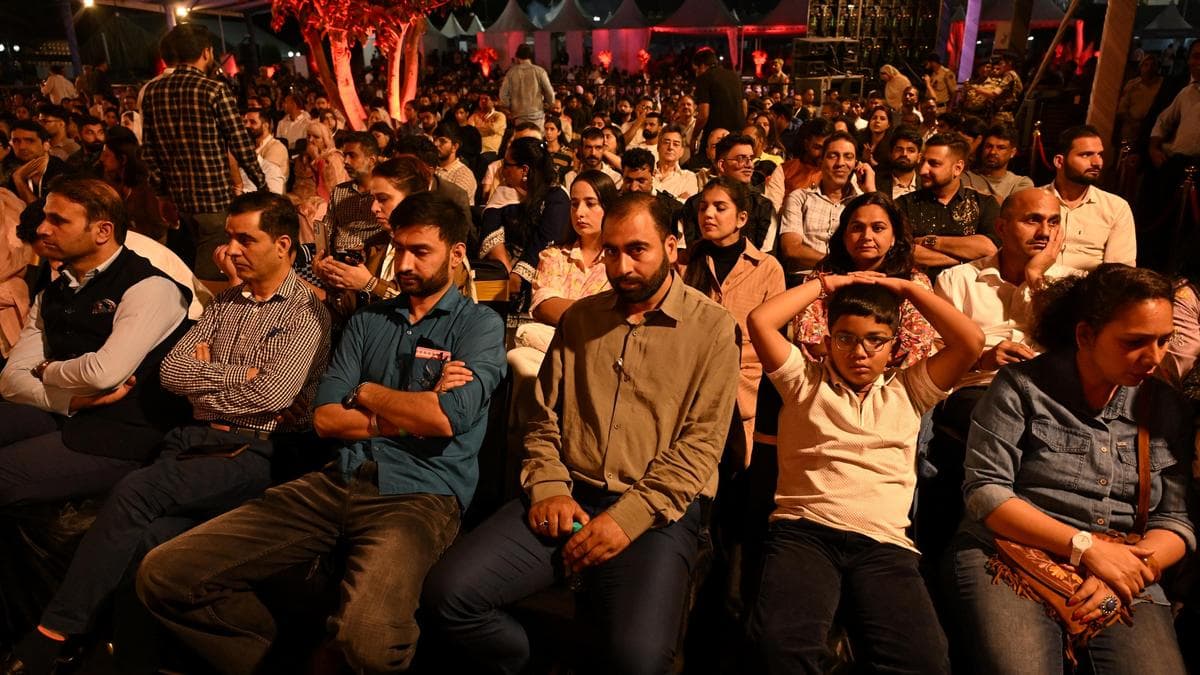
Srinagar just hosted its first-ever international film festival, and it ended the way it began: on the water. The four-day IFFJK wrapped Thursday with a closing session on a floating screen at Dal Lake, where old Kashmir-set films like Aarzoo, Kashmir Ki Kali and Kabhi Kabhi ran against the actual landscape that made them famous decades ago.
Organisers screened 120 films from roughly 30 countries over the four days. But the bigger story here isn't the international slate. It's what happened around it. Students, aspiring directors and local artists got direct access to names like Ramesh Sippy, Vidhu Vinod Chopra and Imtiaz Ali through masterclasses and sit-down sessions, alongside filmmakers such as Rahhat Shah Kazmi, Kapil Matoo, Munjal Shroff, Subbiah Nallamuthu, Arun Chadda, Yadu Vijaykrishnan, Supriyo Sen and Chittaranjan Tripathy.
J&K Chief Minister Omar Abdullah, who's been pushing this festival as more than a photo op, framed the whole exercise as a bet on local talent rather than just another shoot location. "It allowed a young writer meeting a director, an aspiring filmmaker learning from a professional or two people meeting here who may one day make a film together," he said at the closing session.
Abdullah went further, arguing Kashmir shouldn't just be "merely a filming destination" but a place where people actually make their own films. He called the festival "an idea being tested, an invitation, an experiment and, above all, a hope." On the Dal Lake screenings specifically, he put it simply: "For decades, Kashmir travelled to audiences through a cinema screen. This week, in a sense, the screen came back to Kashmir."
Union Minister of State for Information and Broadcasting L Murugan echoed the pitch, positioning J&K as shifting from backdrop to producer. "Today, J&K is not just a brief shooting location, it is becoming an active creator, host and partner in modern global storytelling," he said, name-checking Gulmarg's snow peaks and Srinagar's saffron fields as the imagery the region has long lent to other people's films.
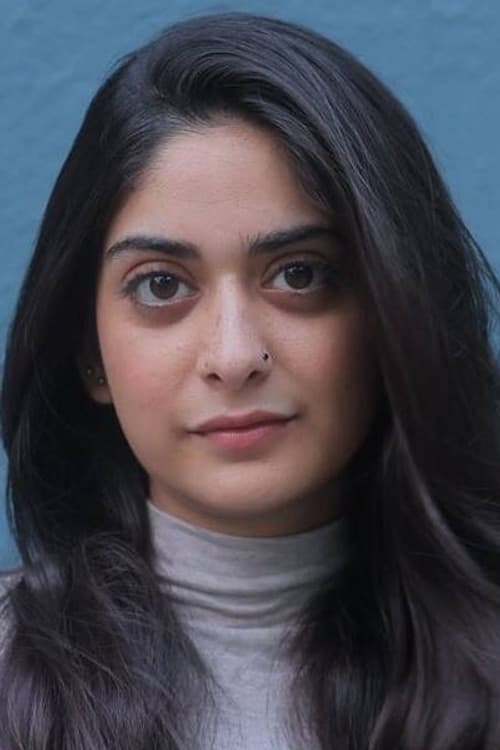
On the actual competition, Kapil Matoo's Tasrufdar – The Jinns of Kashmir picked up Best Film in the J&K category, a win that matters given the festival's stated goal of building homegrown storytellers rather than just importing Bollywood's gaze on the Valley. Tanya Maniktala took Best Female Actor for her role in Arifa. Several other films and performers were recognised at the same ceremony, though the full award list wasn't detailed.
Singers Usha Uthup and Gulzar Ganai closed things out with performances before the lake screen went dark for the night. The obvious question now is whether IFFJK becomes an annual fixture or a one-off experiment. Abdullah's language, calling it a test and an invitation, suggests the government is already thinking about edition two.


Be the first to comment
Join the argument. No password, just your email or a passkey.