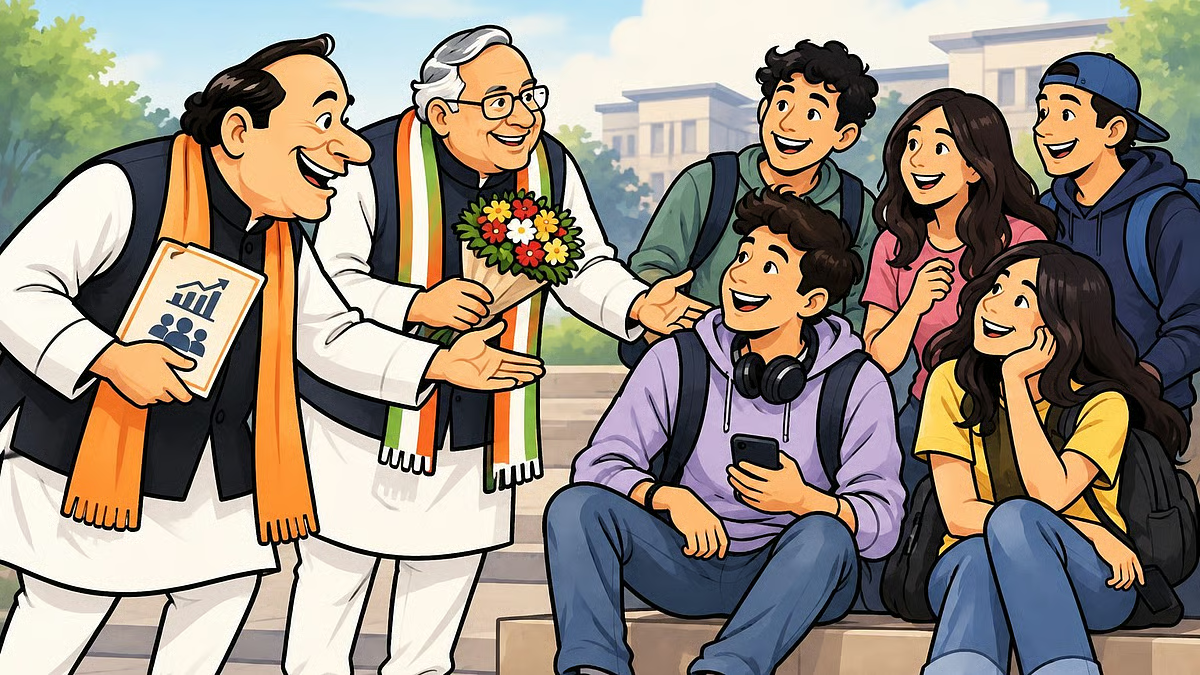
With 2028 assembly polls two years out, BJP and Congress are both chasing the state's under-30 electorate through youth parliaments, scholarships and AI training pledges.
This one's got nothing to do with a film set or a premiere, but it's worth flagging because it explains why every politician in Madhya Pradesh has suddenly discovered Instagram.
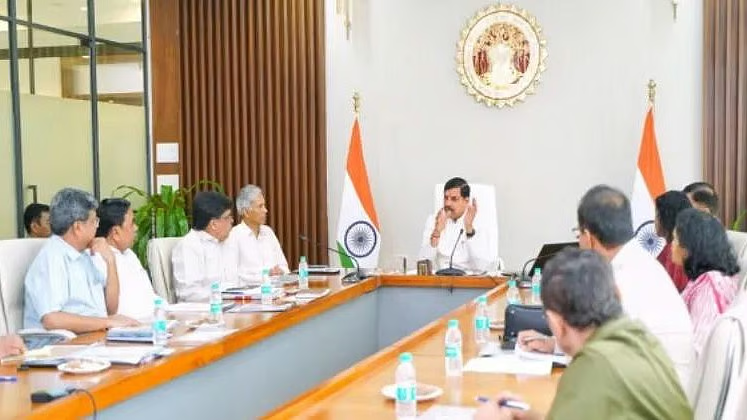
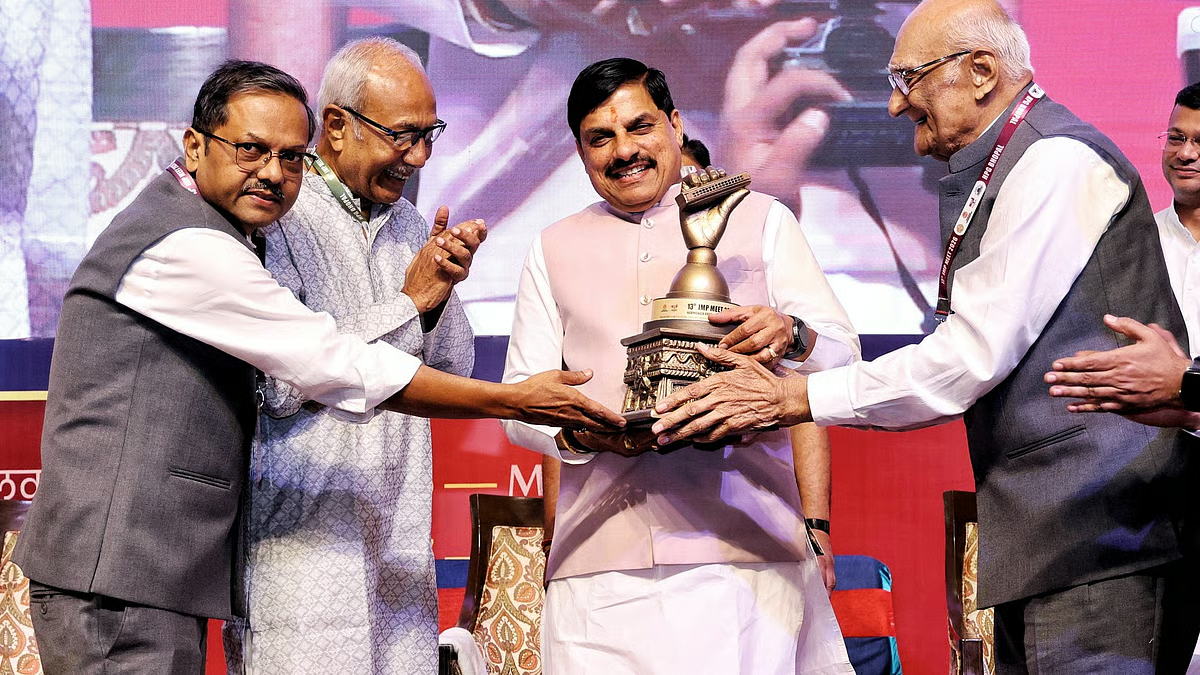
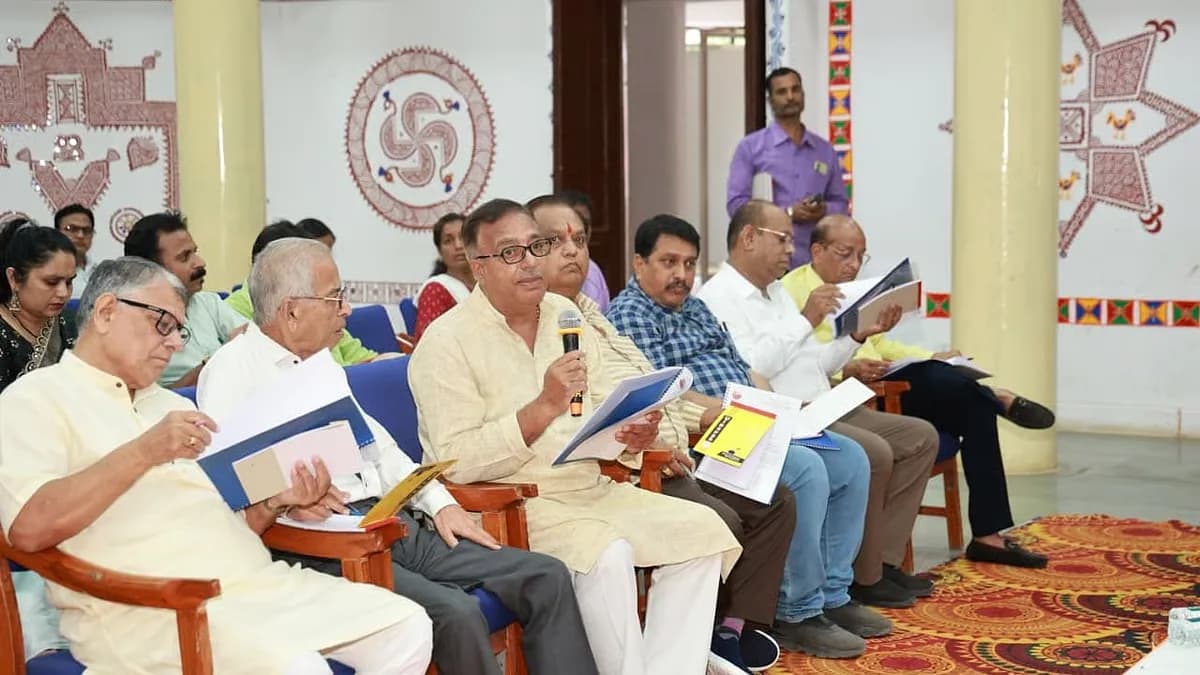
Over the past two months, the state has run a string of youth-focused events, and the guest list reads like a who's who of the BJP's top brass. RSS chief Mohan Bhagwat and chief minister Mohan Yadav have both shown up repeatedly, most recently on September 17 at a Yuva Dharma Sansad in Ujjain, where the two spoke with 1,750 young people about what the report describes as traditional values.
It isn't a one-off. On August 13, Yadav addressed a Sansad Youth Parliament at Vidhan Sabha Bhavan in Bhopal with participants from 58 cities and towns. He was at a Yuva Samvad event in Bhopal on August 4, and on Teachers' Day he sat down with educators born after 1997 at a school in Indore. That's a lot of Chief Minister time going into a demographic that, as of two years ago, wasn't getting nearly this much attention.
The scheme announcements have kept pace. On August 26, the state rolled out the Lord Shri Krishna Meritorious Scholarship, handing Rs 1 lakh each to 102 top-performing students. There's also a pledge to train one crore youths in AI skills within a year, and a separate programme called Police-Army Recruitment Training for Humanity and Hunar aimed at getting more young people into the armed forces.
Congress isn't sitting this one out. Rahul Gandhi addressed a student event called Chhatron Ki Goonj in Indore on September 19, part of what looks like a matching push to hold onto whatever youth support the party still has in the state.
Why the sudden interest? Partly it traces back to Delhi. The CJP-led Gen Z protest at Jantar Mantar, which pushed the Union Government into sacking a cabinet minister, put the 14-29 age bracket in the national spotlight in a way it hadn't been before. Every party in the country took notice.
The math explains the rest. Voters aged 18-29 will make up 32% of Madhya Pradesh's electorate by the time assembly elections roll around in 2028, followed by the general election in 2029. That's not a swing bloc anymore, that's close to a third of the state.
Whether any of this actually lands is the open question. Scholarships and skilling pledges are easy to announce and much harder to deliver at scale, and Gen Z voters, going by how they behaved at Jantar Mantar, aren't the type to be won over by a photo-op. The real test comes when these schemes are supposed to start paying out, not when they're announced.

Be the first to comment
Join the argument. No password, just your email or a passkey.