The veteran director praised the LGBTQ‑driven drama for its storytelling, language and progressive take, even as the film awaits a Telugu dub.
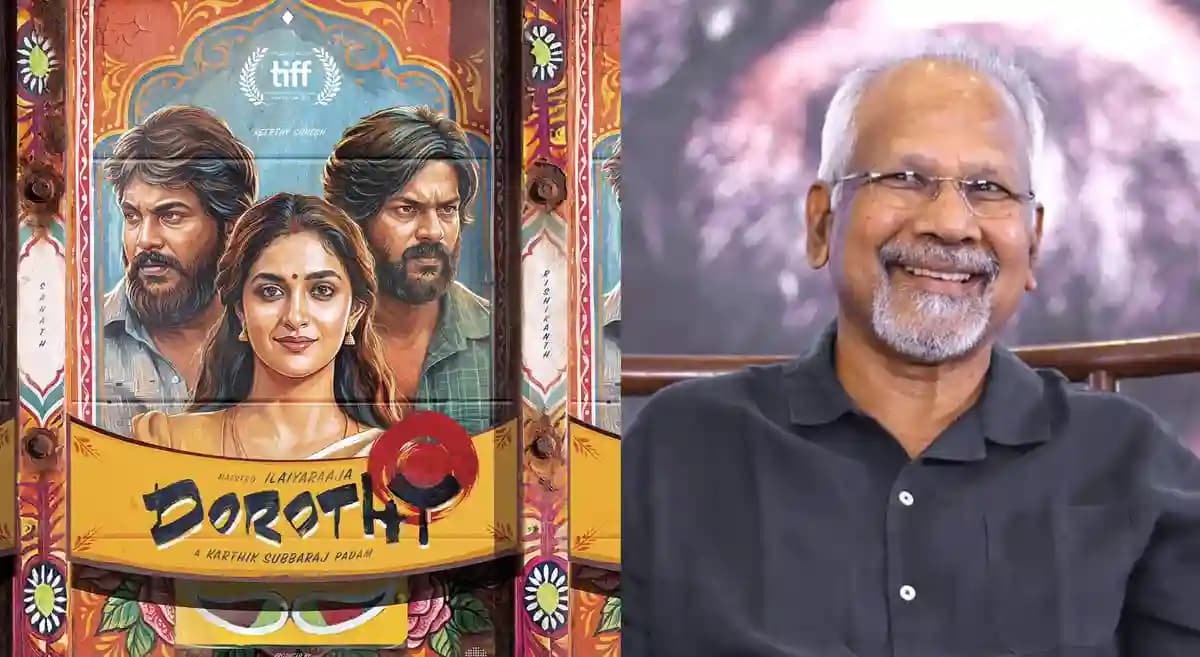
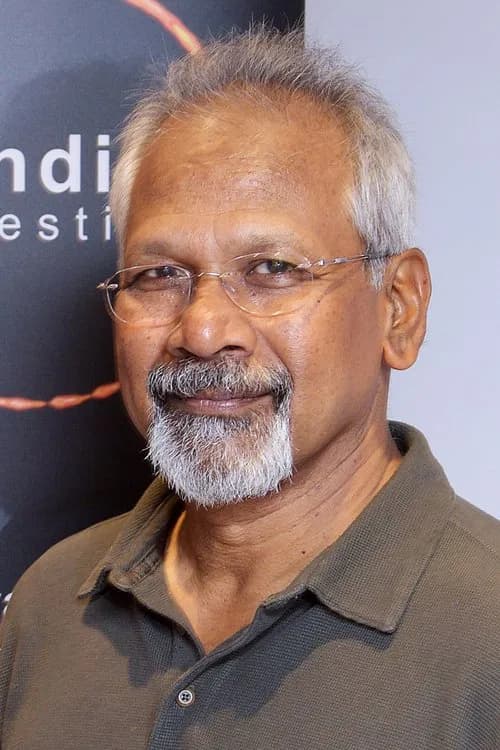
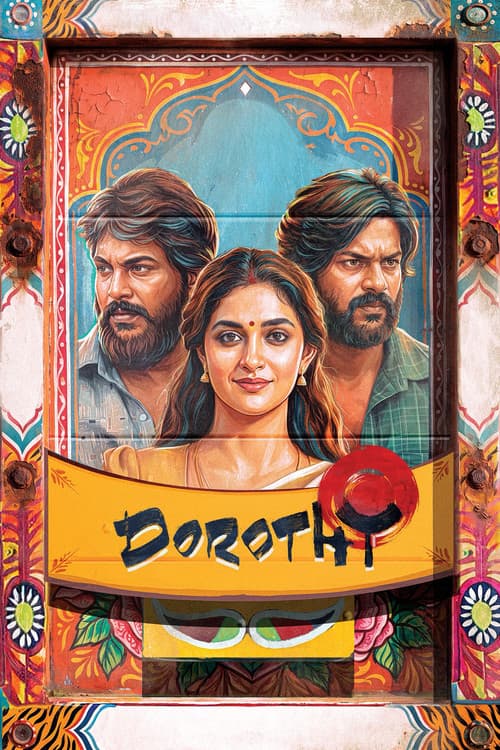
Veteran filmmaker Mani Ratnam has publicly praised the controversial queer drama Dorothy and its helmer Karthik Subbaraj. Speaking at a recent industry gathering, Ratnam said the director “surprised me with his storytelling and execution.”
The commendation arrives at a time when the film, starring Keerthy Suresh, is sparking heated debates across social media. While critics have been split, the endorsement from a stalwart like Ratnam adds a fresh layer of credibility.
Ratnam didn’t stop at the director’s vision. He highlighted the film’s dialogue, narrative flow and the delicate way it treats a subject that many still consider taboo in mainstream Indian cinema. “The language and the way the sensitive subject was handled on screen felt progressive,” the director noted, underscoring his belief that Dorothy pushes the envelope.
For fans of Subbaraj, the praise feels like a passing of the torch. The younger filmmaker, known for his willingness to tackle unconventional themes, has often been labeled a “new‑age” talent. Ratnam’s remarks reinforce that label, positioning Subbaraj as a bold voice willing to explore stories that sit outside the usual commercial formula.
The film’s LGBTQ storyline has already ignited a flurry of online commentary. Some netizens applaud its honesty, while others criticize its explicit moments. Yet, the conversation has largely stayed confined to Hindi‑speaking circles. A Telugu dubbed version is still pending, leaving a sizable regional audience in the dark.
Industry insiders suggest that Ratnam’s endorsement could accelerate the dubbing process. “When a legend like Mani backs a project, distributors take notice,” said a trade analyst who asked to remain unnamed. The hope is that the Telugu rights, still in limbo, might see a quicker turnaround.
Keerthy Suresh, who leads the ensemble, has not yet commented on Ratnam’s statements. Her previous interviews have focused on the film’s artistic ambitions rather than its market prospects. Still, her involvement adds star power that could help the movie cross linguistic barriers.
The timing of the praise is noteworthy. Dorothy is currently navigating a mixed reception, with some festivals embracing its boldness while certain regional boards have raised concerns over its content. Ratnam’s acknowledgment may tip the scales toward a more favorable outlook, especially among cinephiles who respect his cinematic judgment.
As the buzz builds, the next big question is when the Telugu version will finally land in theatres. Until then, the film continues to ride a wave of curiosity, controversy, and now, a stamp of approval from one of India’s most respected directors.
If the dubbed release does materialise soon, it could reshape the narrative around queer cinema in South Indian markets, turning Dorothy from a polarising headline into a cultural touchstone.
Stay tuned for updates on the dubbing schedule and any further reactions from the film’s creative team.



Be the first to comment
Join the argument. No password, just your email or a passkey.