The Malayalam series premiering on Sony LIV confronts the normalization of obsessive behavior, urging audiences to reject romanticized portrayals of stalking.
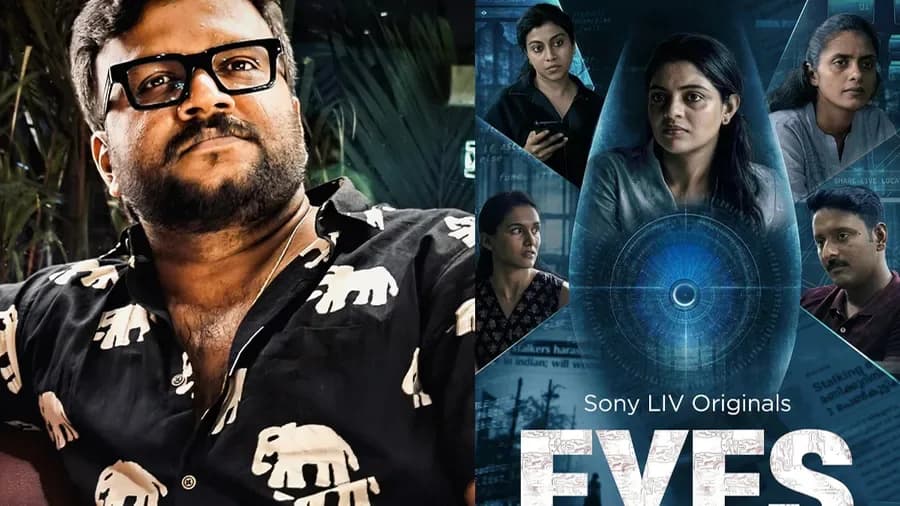
Manu Ashokan’s latest project, Eyes, arrives on Sony LIV not just as a thriller but as a direct challenge to cinematic tropes that glorify toxic masculinity. The Malayalam web series dissects the fine line between affection and obsession, focusing on how stalking is often disguised as passion in popular storytelling.
Ashokan, known for Uyare, says the series emerged from a growing awareness among young women who’ve recognized their past experiences as abusive — after watching the show. He cites real-life messages from viewers aged 20–25 who now see red flags they once ignored. "It makes them revisit their own experiences," he told Mathrubhumi English.
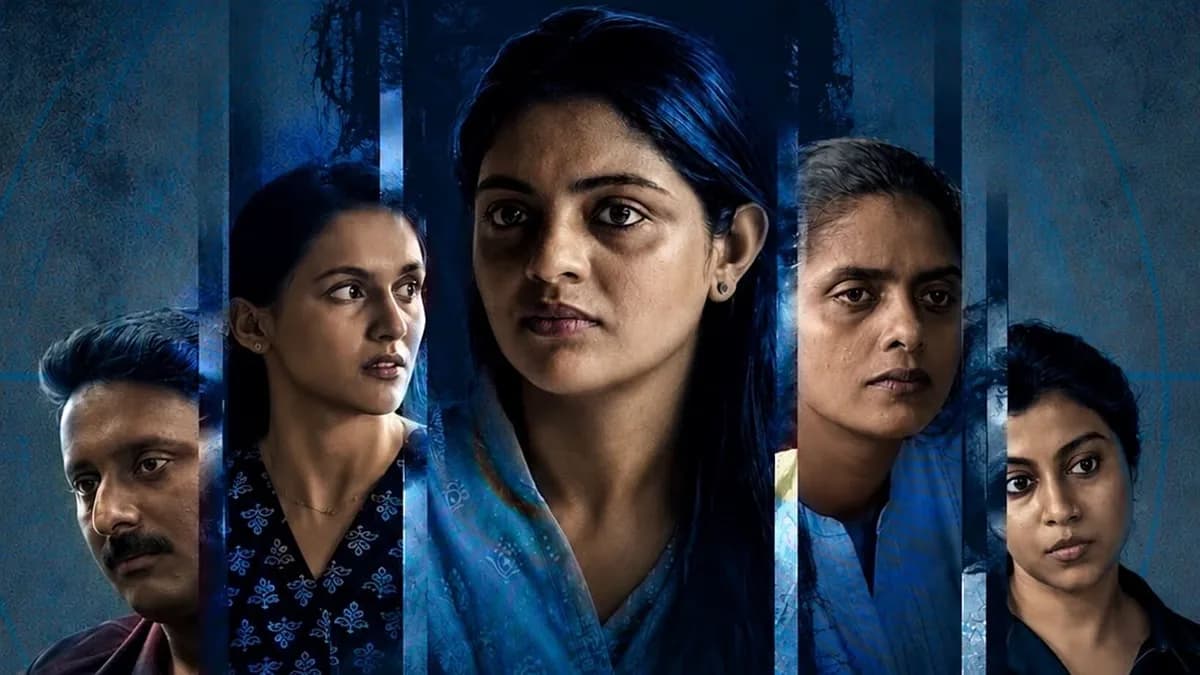
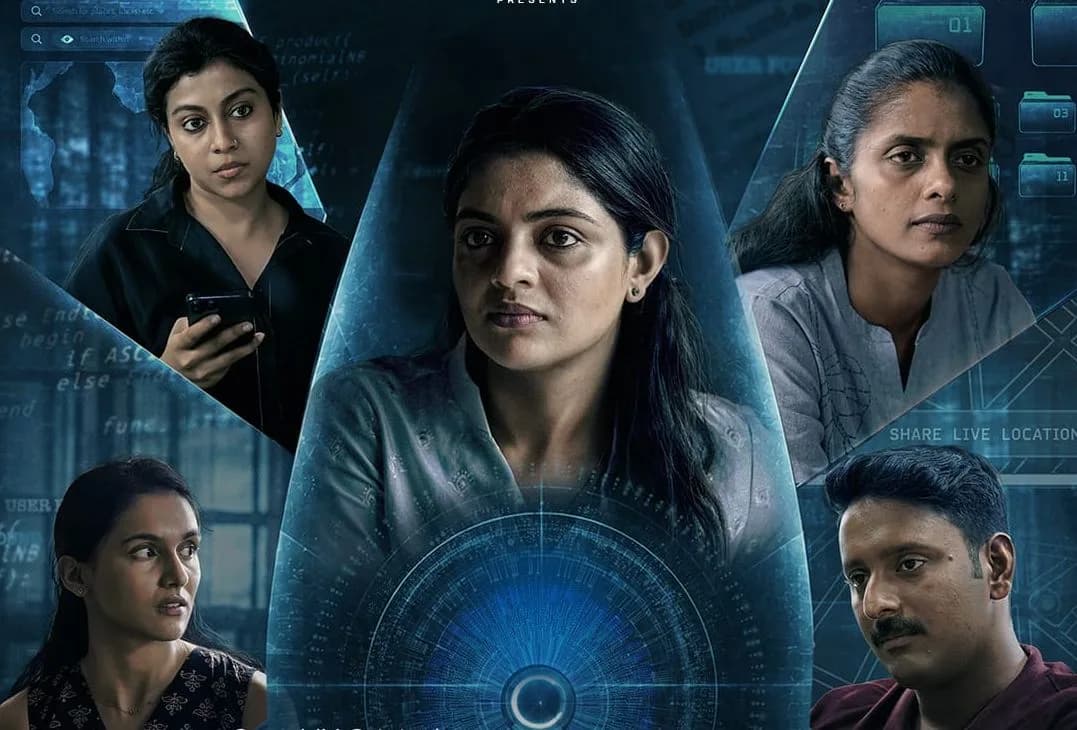
At the heart of Eyes is a fictional task force called ‘Eyes’, a surveillance unit designed to identify potential stalkers before harm occurs. While no such system exists in reality, Ashokan frames it as a plea to institutions: "We should think of something." The idea isn’t about policing thoughts, but about creating early intervention mechanisms.
Dev Mohan plays Sajin, a character whose actions blur victimhood and villainy. His behavior. Intense attention, emotional manipulation, boundary violations, is presented not as heroism, but as a warning sign. Ashokan insists this ambiguity is intentional: "We want people to question whether concern is genuine or controlling."
The series directly confronts a long-standing trend in Indian cinema where possessive men are celebrated as romantic leads. "There are still films that portray possessiveness as heroism," Ashokan notes. "Even women on screen enjoy it. Though in real life, we know it’s not love."
He stresses that change must begin at home, with how boys and girls are raised. "Real change comes down to our mindset," he says. The trauma may fall on women, but the responsibility lies with everyone.
With Gen Z increasingly aware of consent and boundaries, Eyes lands at a moment when audiences are ready to unlearn old narratives. Whether the series will spark policy discussion remains to be seen, but its message is clear: don’t call it love. Don’t romanticise it.



Be the first to comment
Join the argument. No password, just your email or a passkey.