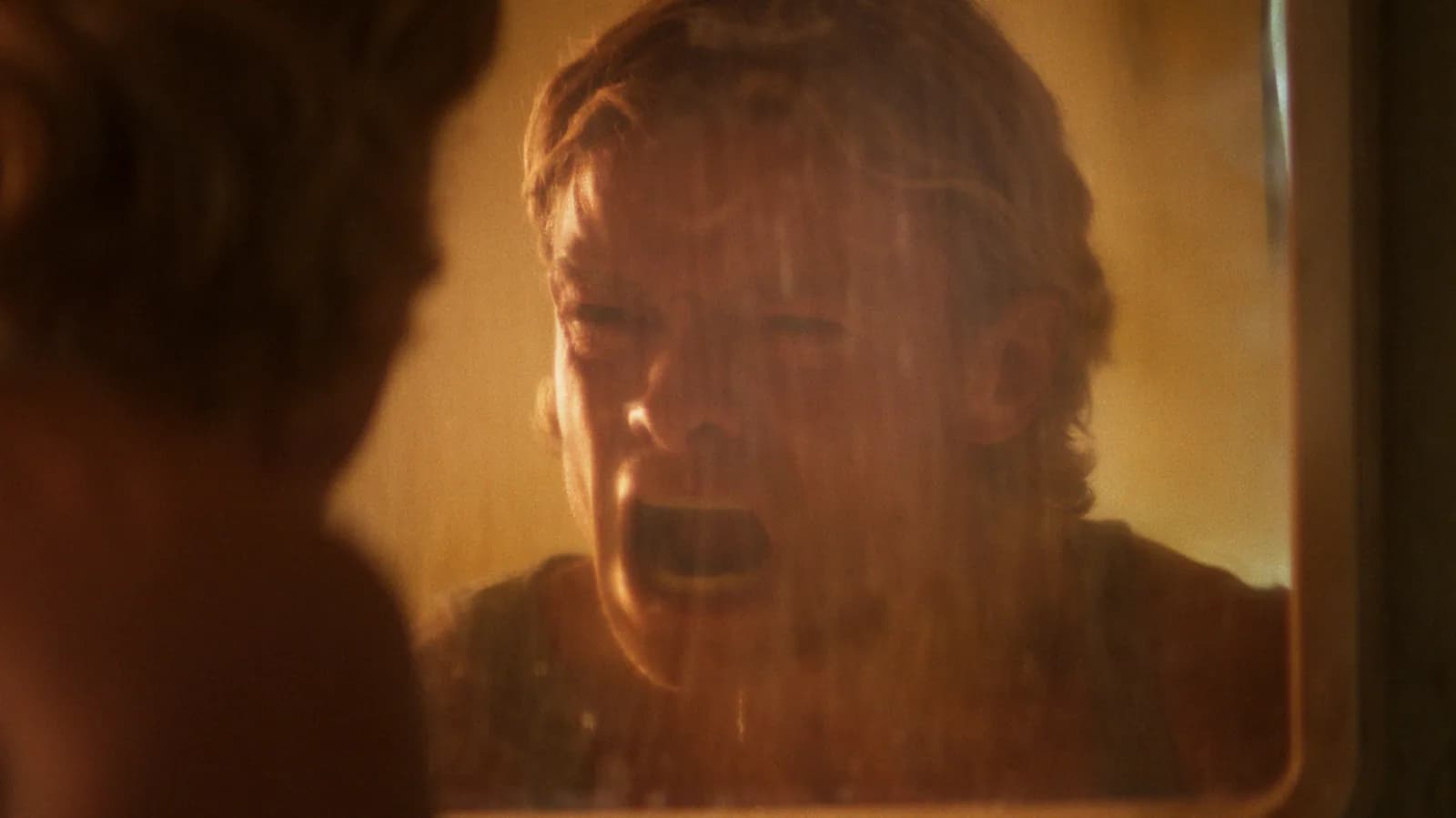
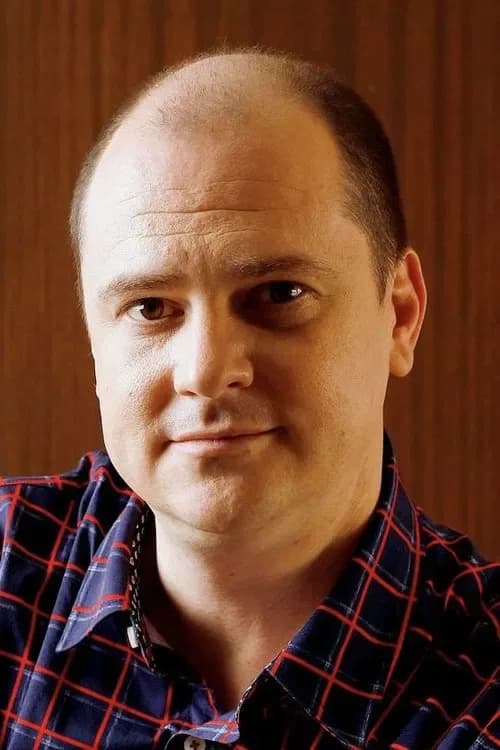

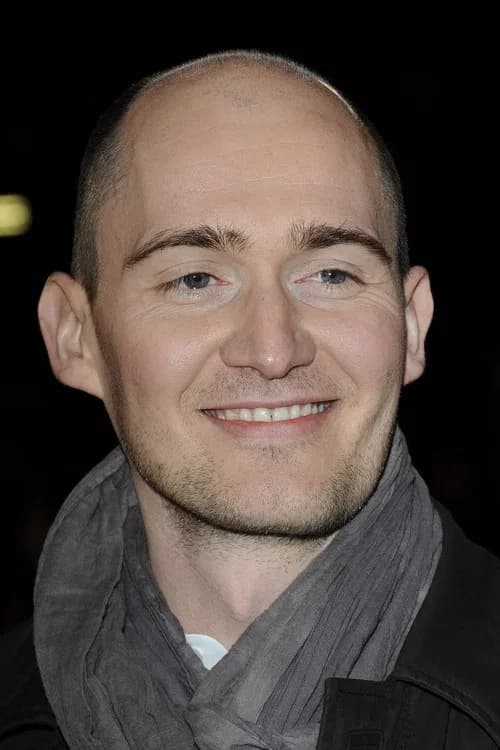
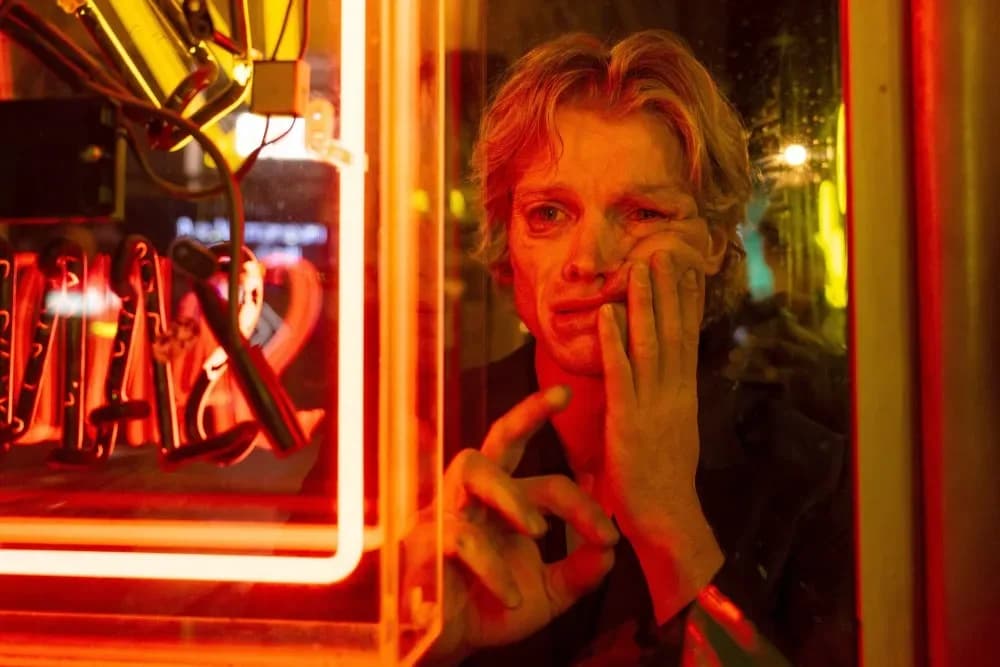
Clayface’s most explosive sequence wasn’t in Mike Flanagan’s original script — it was added late, during production, and now stands as the film’s most talked-about moment. The nightclub fight, where Tom Rhys Harries’ Matt Hagen battles a wave of attackers while shifting forms, then storms crime boss Markos Szabo’s office for revenge, didn’t appear in the initial draft penned by the horror auteur behind Doctor Sleep and The Haunting series.
Director James Watkins revealed in an interview with The Hollywood Reporter that the idea came to him “quite late in the process.” He wanted to amplify Matt’s journey upward, not just physically, but emotionally, and drew inspiration from swashbuckling epics like Robin Hood and El Cid. The scene isn’t just action: it includes a surreal dance sequence, a visual flourish that breaks the film’s otherwise grim tone.
Watkins called it “probably the most daunting sequence” he’s ever filmed, both technically and creatively. His goal? To show Matt discovering the “dark glee” that comes with his powers, a rare moment of agency after enduring relentless suffering. While Flanagan receives both a “Story by” and “Screenplay” credit on the final film, much of his work was reworked by writer Hossein Amini and reshaped under Watkins’ direction.
Be the first to comment
Join the argument. No password, just your email or a passkey.