The Dhokha actor tells Moneycontrol that OTT, not talent, finally broke the industry's reliance on star lineage and cites Special OPS and Uri as proof.
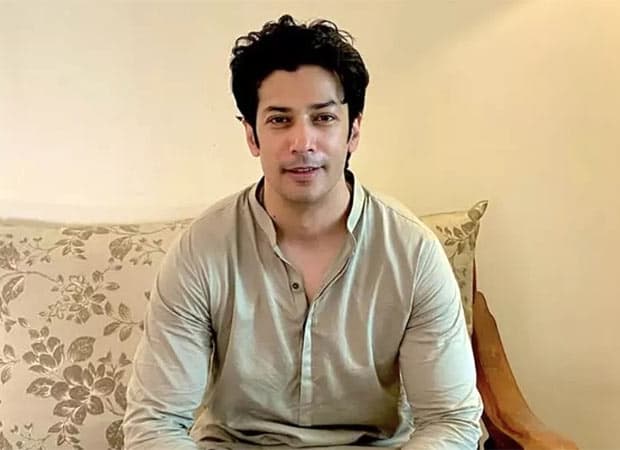
Muzammil Ibrahim isn't being coy about who he means by "nepo kids." In a new interview with Moneycontrol, the actor rattles off a list that includes Ranbir Kapoor, Ranveer Singh, Imran Khan, Arjun Kapoor, Tiger Shroff and Varun Dhawan, all names who debuted around the same time he did with Dhokha in 2007.
His point isn't that these actors lacked talent. It's that the industry simply had too few films and too many producers who'd rather work with someone they already knew. "The preference was not talent, but it was always relationship, like who knew the producer better," Ibrahim says. "So obviously they always had the upper hand. So you definitely feel left out."
That's a familiar complaint. What's more interesting is where Ibrahim takes it next.
He credits streaming with quietly rewriting the math. Audiences got tired, he argues, of watching the same faces do the same things, and some of the names on his own list, he points out, "are not doing work, they don't find any space right now." OTT gave him Agent Avinash in the Special OPS franchise, a role he says changed how people saw him, Neeraj Pandey included.
Ibrahim pushes back on the idea that streaming success is somehow less real than box office numbers. He points to Special OPS 2 specifically, claiming the numbers for the show and its predecessor "are much bigger than probably the biggest of the films in India," which is why it kept getting renewed. "Numbers are definitely more visible in theatrical but they're not invisible in OTT," he says. "I think this is a misconception."
He's also got a theory about where Hindi cinema keeps wasting money, and it isn't marketing or VFX. It's star fees. "Where the industry still overspends is like, succumbing to attaching too much to star power and only thinking that only stars will be able to deliver big hits," he says.
His exhibit A is Uri: The Surgical Strike, a film he calls proof that scale and execution can matter more than a marquee name. Vicky Kaushal, he reminds us, was relatively unknown when Uri released, and Aditya Dhar was directing his first feature. "I think anybody could have helmed that same role and could have delivered the same result because the content and the way it was done, it was so amazing," Ibrahim says.
He stops short of saying stars don't matter at all. Both stars and stories pull audiences into theatres, he concedes, but content is what keeps them coming back.
What Ibrahim is really describing is a shift that's been building for years, streaming platforms as a side door into an industry that used to have exactly one entrance. Whether producers keep walking through that door once the OTT boom cools off a little is the part nobody's answered yet.

Be the first to comment
Join the argument. No password, just your email or a passkey.