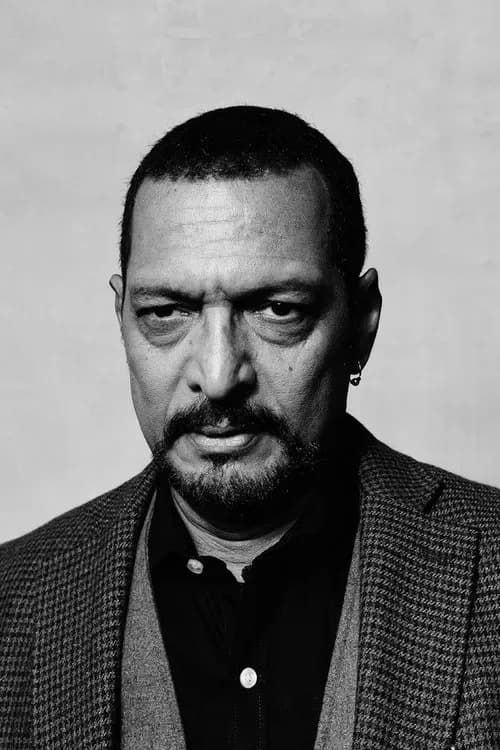
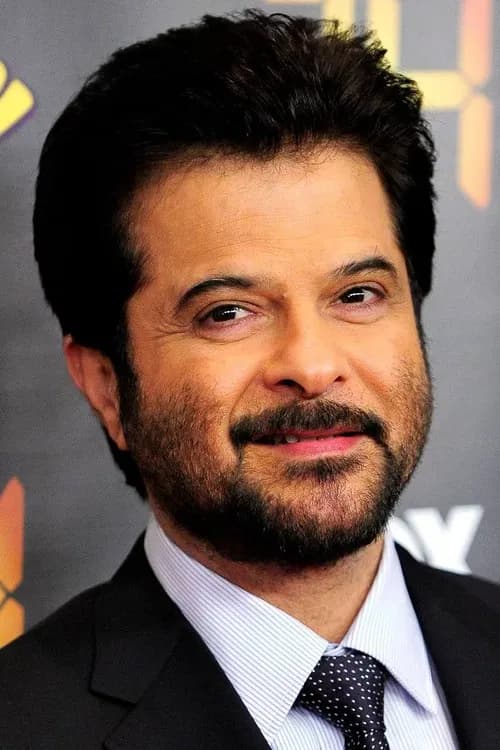

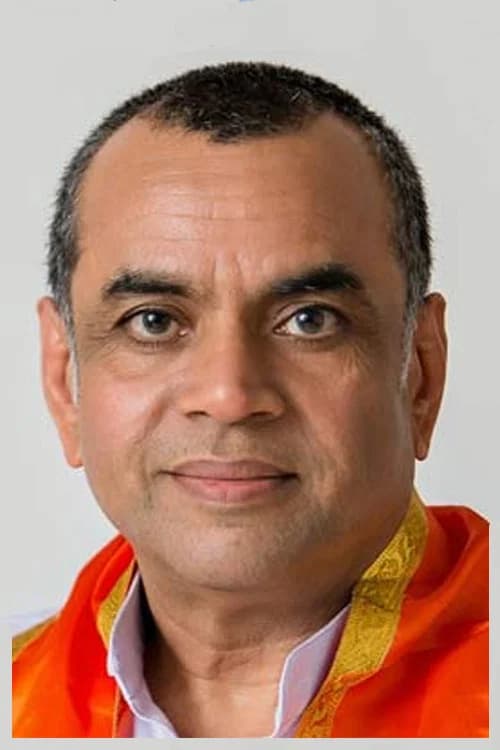
Nana Patekar walked off the sets of Raja after just two days. Not because of a clash. Not over money. But because he wouldn’t stop directing. The 1995 film, now a cult classic remembered for its music and Madhuri Dixit-Sanjay Kapoor chemistry, was initially set to feature Nana in a pivotal supporting role — later iconic in Paresh Rawal’s hands. At the time, he had signed on for a fee higher than what Anil Kapoor commanded, a record sum even by 1995 standards. Director Indra Kumar had been eager to work with him. He’d even said yes when Nana asked for that amount. ‘Maine bola done!’ Kumar recalled in a recent conversation with Mukesh Khanna. 'Unhone mujhse wo price maanga tha, mujhe unke saath kaam karna tha.' But within hours of shooting beginning, the dynamic shifted. Nana started offering notes, not just to co-stars, but directly to the director. To Madhuri Dixit. To Dalip Tahil. To Mukesh Khanna himself. His ideas were sharp. Sometimes brilliant. But they weren’t his to give. ‘Jab actor director ka kaam karne lag jaata hai,’ Kumar said, ‘toh director ko samajh jaana chahiye woh buri film banayega ya actors ka bura performance aayega.’ The confusion grew. Madhuri, who relied heavily on Kumar’s direction, felt unsettled. So did others. The shoot stalled. So Kumar went to Nana’s home. Spoke. Explained. And Nana listened. ‘Indu, yeh mera way of working hai,’ he reportedly told him. ‘Yeh tumhara way of working nahin hai.’ No anger. No resistance. Just acceptance. Then came the real surprise. Nana returned the entire fee. No negotiation, no delay. ‘Nana Patekar itne shareef insaan hain,’ Kumar said. ‘Doosra koi actor hota to paise waapas nahi deta.’ He didn’t walk away angry. He walked away clean. The role went to Paresh Rawal. The film became a landmark. But fans never saw what might have been: Nana Patekar opposite Madhuri Dixit. Not on screen. But in that moment, when passion met principle, and one man chose to step back, not because he lost, but because he knew where the line was. The story isn’t about ego. It’s about integrity. And how some exits aren’t endings. They’re lessons.
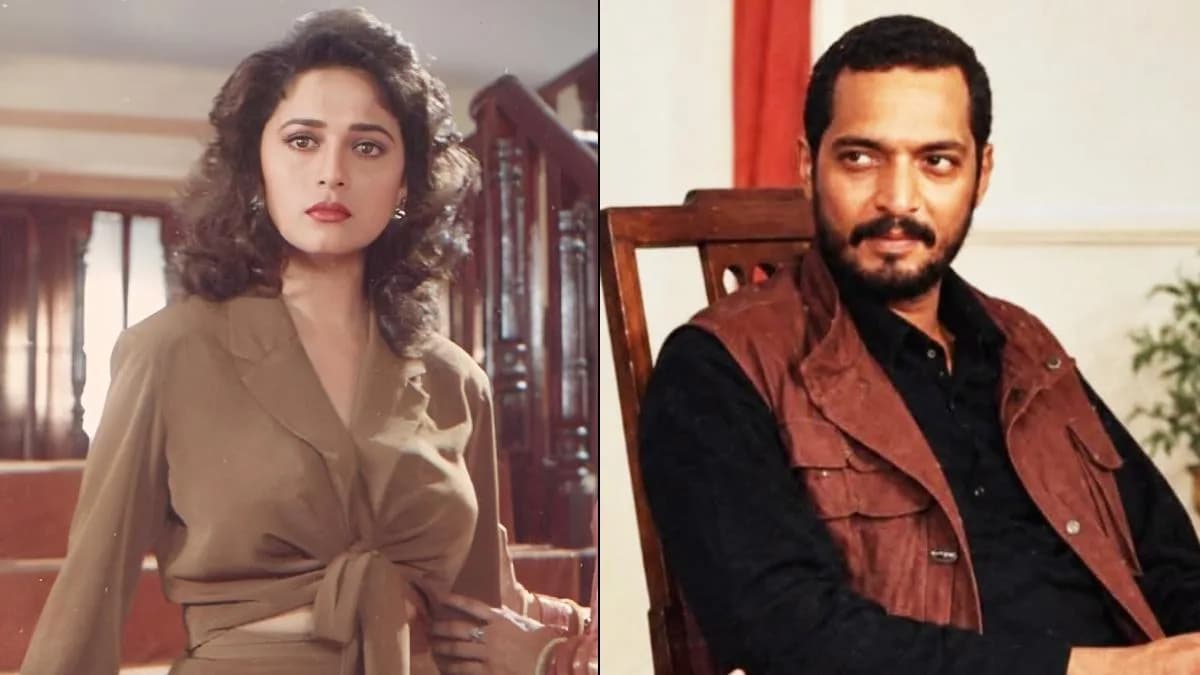 Photo via Koimoi
Nana Patekar Left Raja After Two Days, Returned Record Fee Without Hesitation
Nana Patekar left Raja after two days, not due to conflict but because he overstepped creative boundaries. He returned his record fee—higher than Anil Kapoor's at the time—without hesitation. The untold story of professionalism in Bollywood.
In this story
Live site hype
around 3 reading right now · 350 today
Reported from
This article was written by the CutMirchi desk from the reporting above. Facts are attributed to their original publishers.
Read next
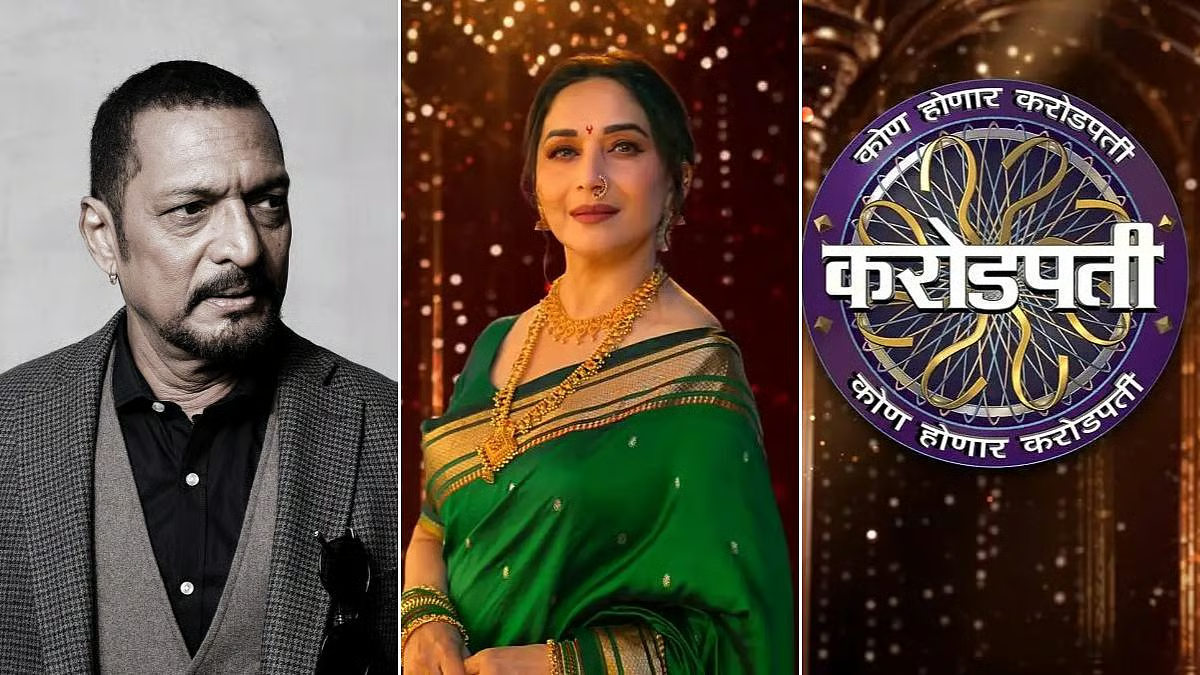
Nana Patekar’s Final Role Cancelled: Sonali Bendre Steps Into Kon Honar Crorepati Premiere After Actor’s Death
Nana Patekar, the man who once said he’d ‘die standing’, did so on Thursday — and the industry is still catching its breath.
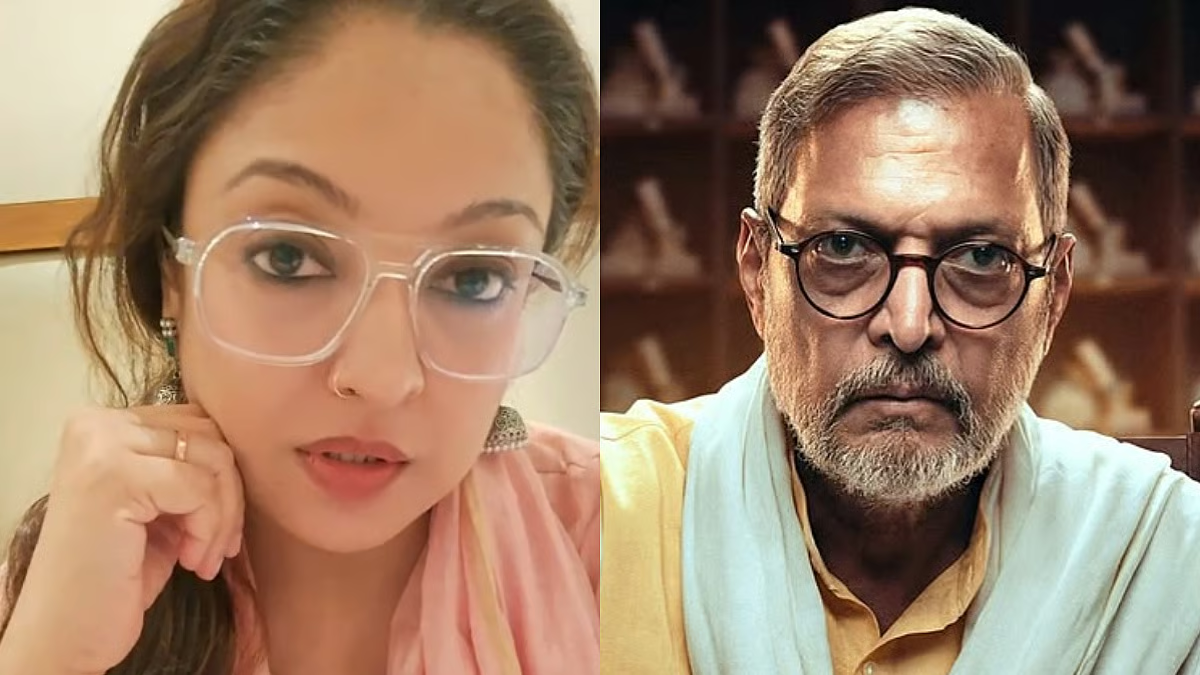
Tanushree Dutta Questions Nana Patekar’s Death, Says He ‘May Have Faked Exit’
Tanushree Dutta questions Nana Patekar's death, calls him 'evil dead', compares him to Raavan, claims he never apologised, and suggests he may have faked his exit. Her live video has gone viral, sparking outrage and support online.
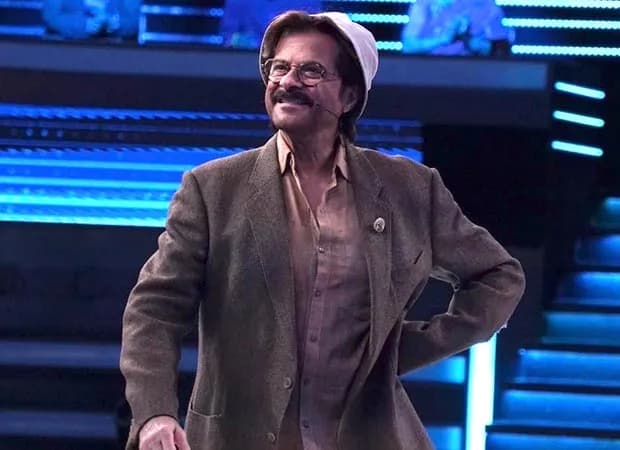
Anil Kapoor Reclaims Mr. India Look on India Ke Top 1%, Reveals Jacket Was Bought from Chor Bazaar
The jacket was bought from Chor Bazaar. Hair is longer. The message hasn't changed.
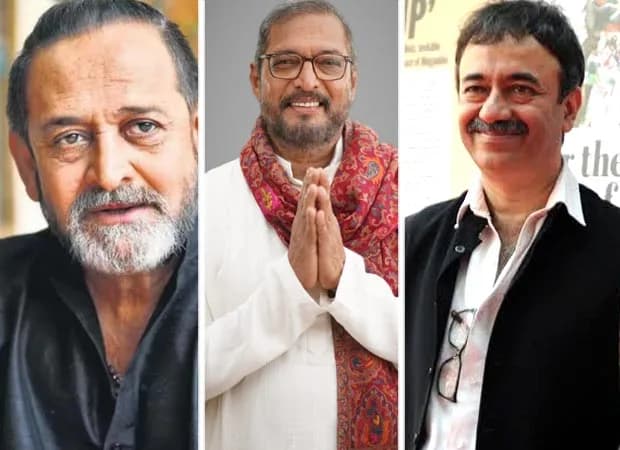
Rajkumar Hirani’s Unmade Film With Nana Patekar Dies With Him
Mahesh Manjrekar reveals Nana Patekar had signed a film with Rajkumar Hirani—just weeks before his death. The project remains unmade, with no official details beyond the fact that Patekar had committed to it. Manjrekar said the two would have been 'magic together.' The film’s fate is sealed by Patekar’s passing.
Be the first to comment
Join the argument. No password, just your email or a passkey.