The film adaptation of Josh Malerman's novel diverges sharply from the book’s bleak conclusion, drawing mixed reactions from audiences and critics.
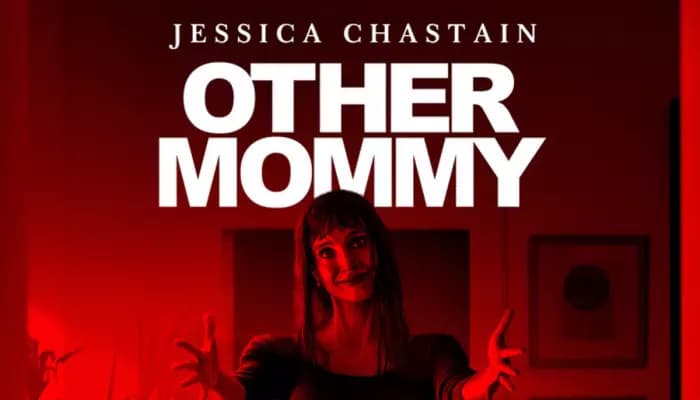
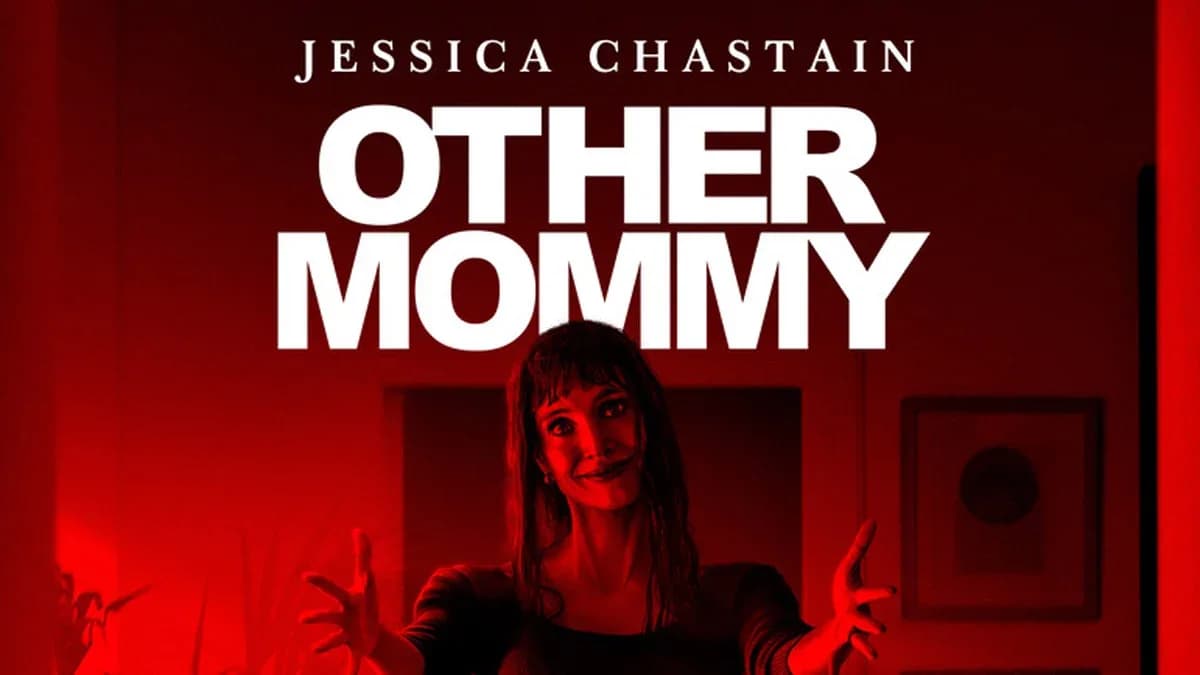
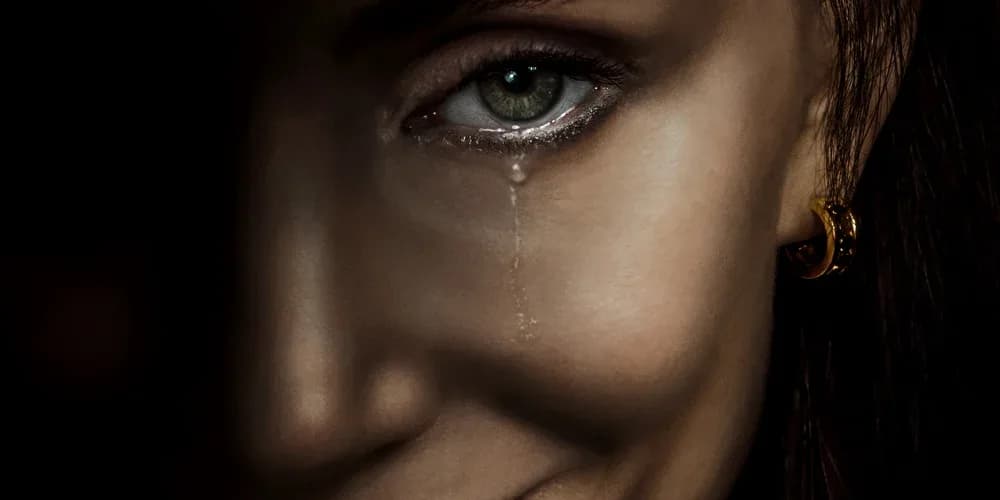
The horror thriller Other Mommy is making waves not just for its chilling premise but for how it reimagines the ending of Josh Malerman’s 2024 novel Incidents Around the House. While the film has drawn lukewarm reviews, it’s leading the weekend box office thanks to a viral trailer that left audiences unsettled.
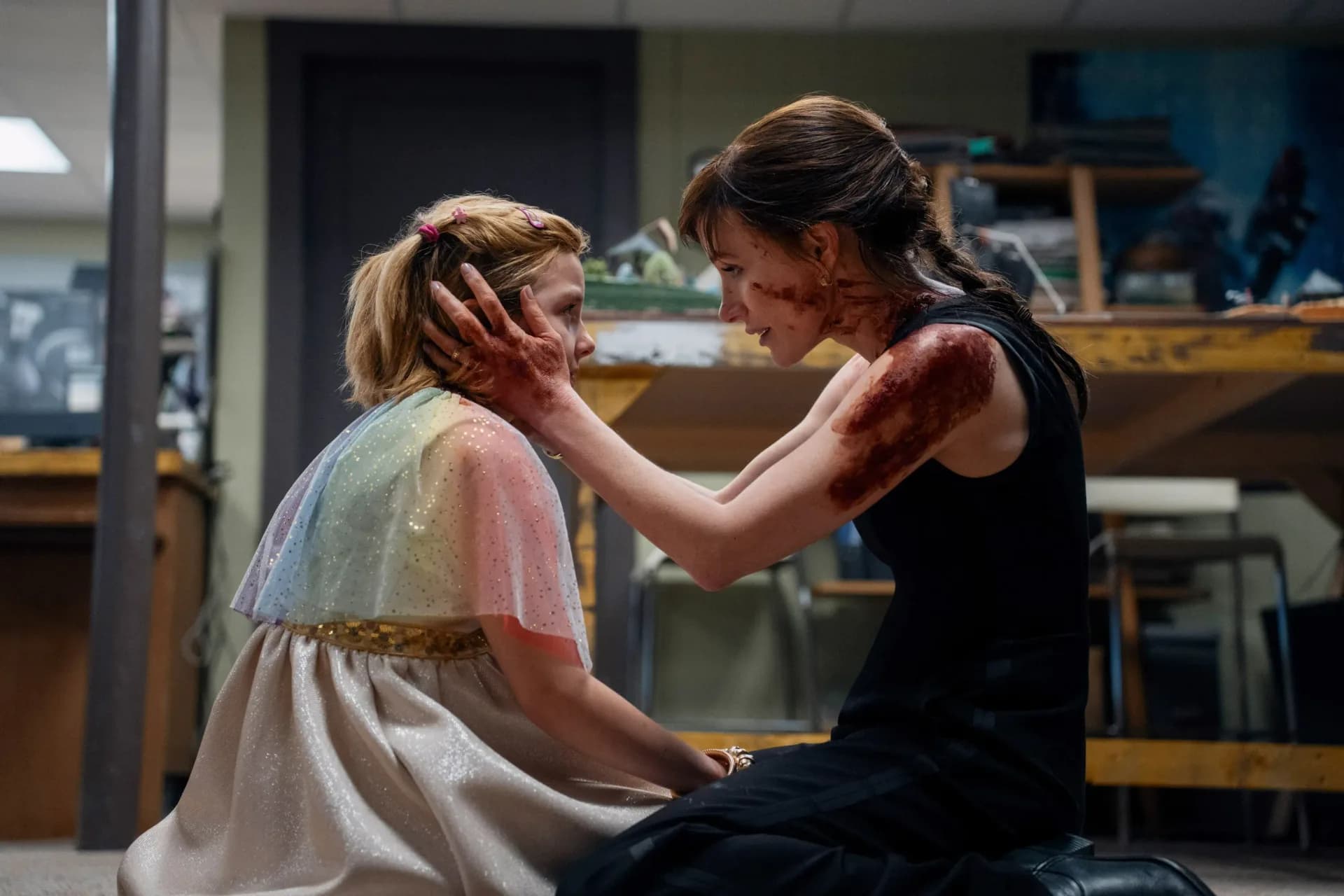
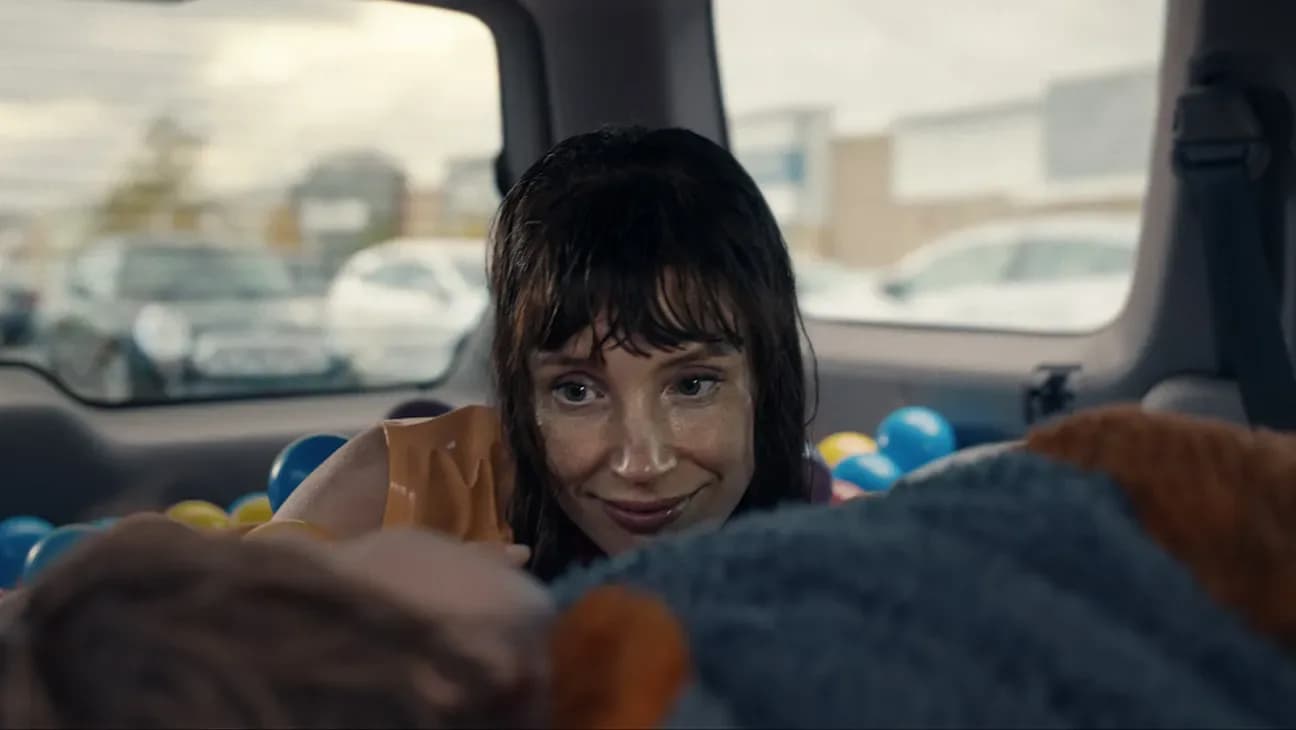
At the heart of the story is Bela (Arabella Olivia Clark), a young girl whose mother Ursula (Jessica Chastain) is gradually replaced by a demonic entity posing as her. The film leans into visual spectacle — especially in a surreal sequence at a Chuck E. Cheese-style restaurant where Bela is pulled into an endless ball pit, only to be transported to a submerged car filled with plastic balls. It’s a moment designed to haunt, and it’s already become a standout in the film’s marketing.
But the biggest shifts come in the final act. In the book, Bela discovers the demon has taken over her grandmother Ruth, who lures her parents to their deaths. Alone and broken, Bela accepts the demon into her heart, effectively surrendering her identity. The end is pure psychological horror: she becomes the new vessel, trapped in a purgatorial limbo.
The film offers a far more hopeful resolution. Bela resists the demon’s attempts to win her affection, defeating it through emotional strength. The family survives intact, though subtle unease lingers. Especially around Ursula’s presence. It’s a tonal pivot that some viewers see as a cop-out, others as a necessary shift for mainstream appeal.
Other key changes include the séance scene, where Grandma Ruth (Karen Allen) leads a ghost-hunting team that gets slaughtered. In the book, the spiritualists are frauds who admit they’re out of their depth. And Frank’s death, blown apart in a grotesque explosion after being manipulated by the demon. Is a cinematic escalation absent from the novel’s quiet reveal of his body found in a closet.
These alterations aren’t just stylistic. They reflect a broader trend in adapting literary horror for cinema: trading ambiguity for impact. Whether this works depends on whether you value narrative consistency or visceral payoff.
The film’s release comes amid growing interest in genre reimaginings, especially those rooted in psychological dread. With Other Mommy now in theaters, the conversation isn’t just about what happened, but what could have been.



Be the first to comment
Join the argument. No password, just your email or a passkey.