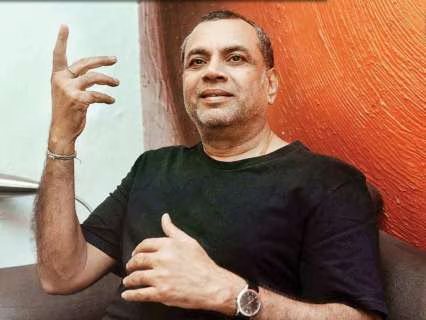

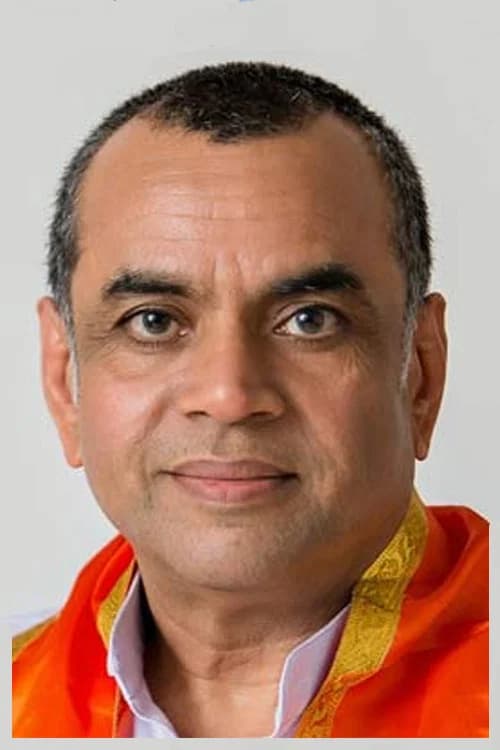
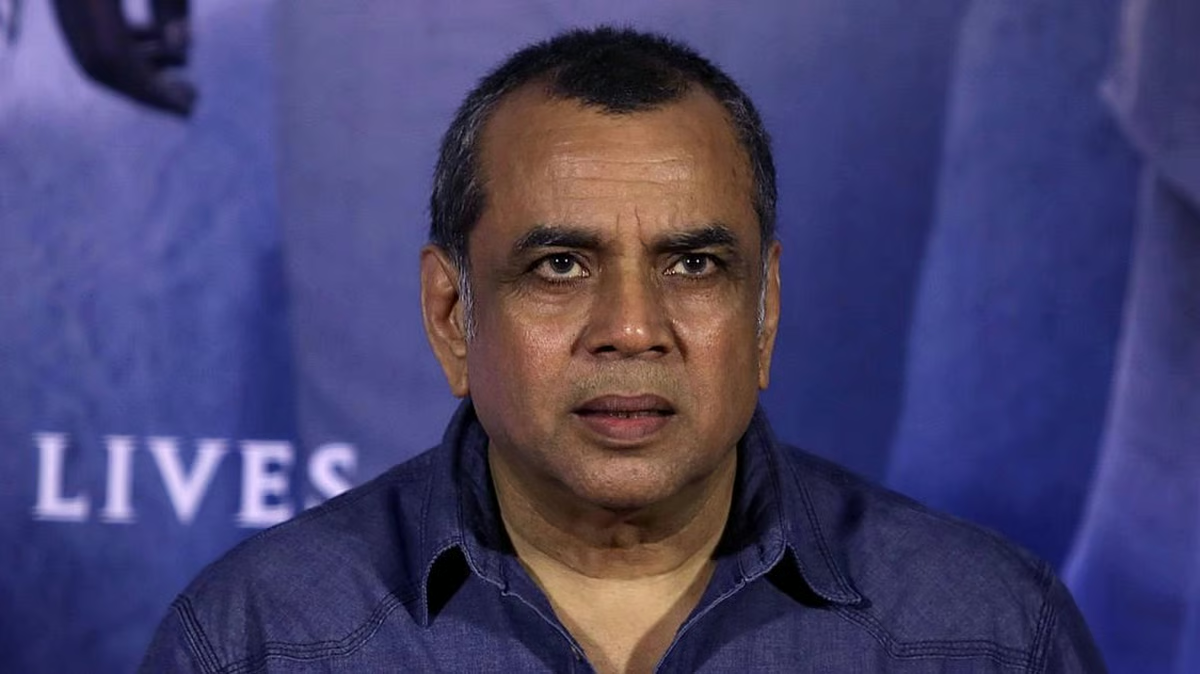
Paresh Rawal isn't having the criticism. Asked about the 72nd National Film Awards moving out of Delhi for the first time in decades and landing instead in Kevadia, Gujarat, the actor didn't hold back. "Is Gujarat in Bangladesh or Pakistan? It is also a part of our own country. Why shouldn't this event be held in Gujarat?" he told ANI. "Events should be held in Gujarat too... I say such events should take place in every state. There is nothing wrong with that."
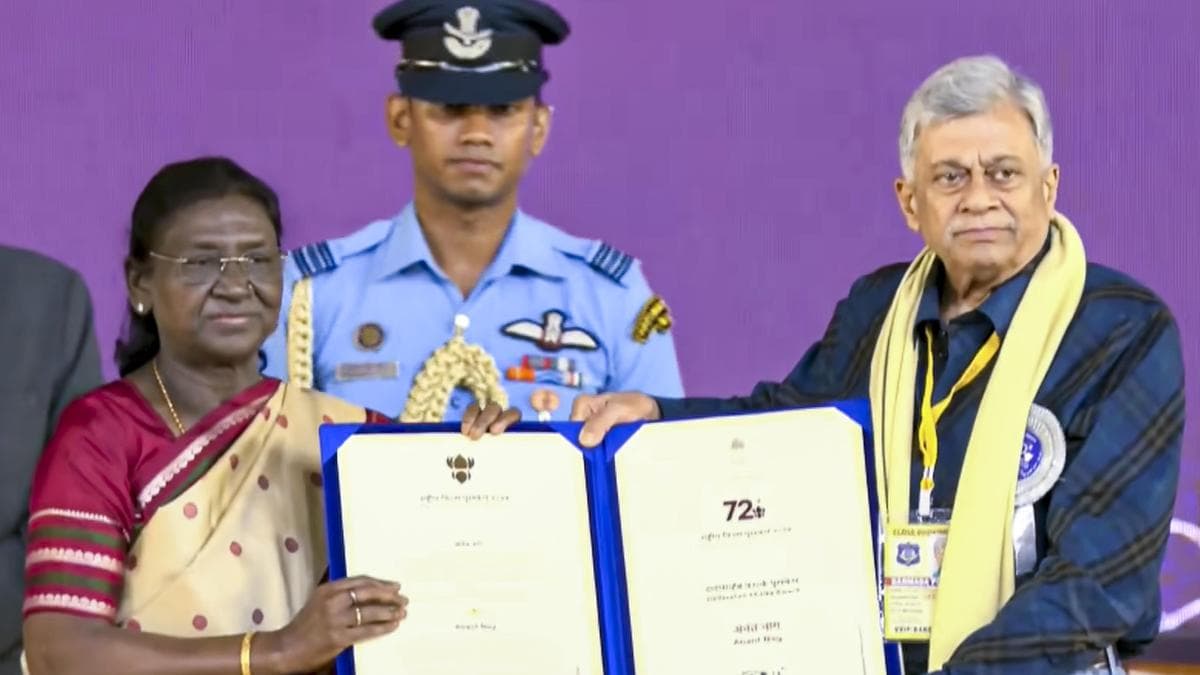
The ceremony is scheduled for September 22 at Ekta Nagar, and the Ministry of Information and Broadcasting has framed the relocation as a deliberate policy shift, one meant to take India's biggest film honours out of the capital and spread them across the country over time. Whether Gujarat becomes a recurring host or a one-off remains unclear, and that's exactly the part fuelling the online chatter about a possible "Make in Gujarat" pattern to future government-backed cultural events.
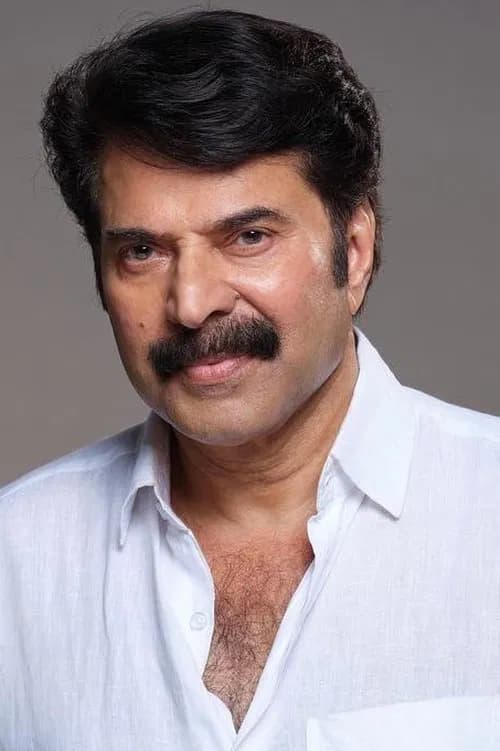
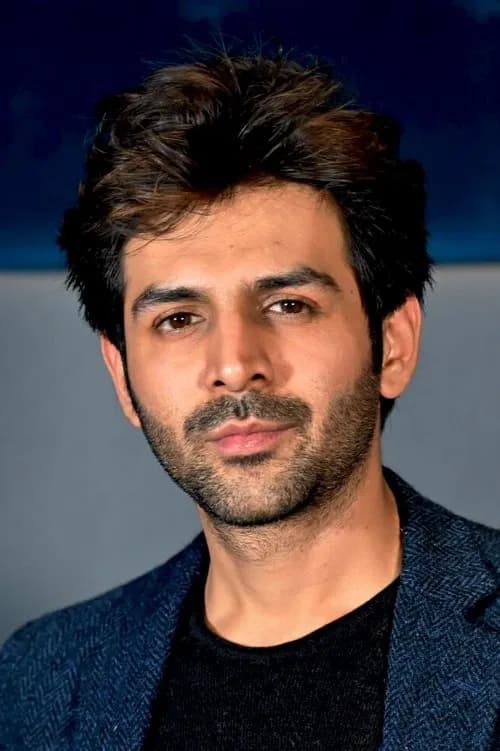
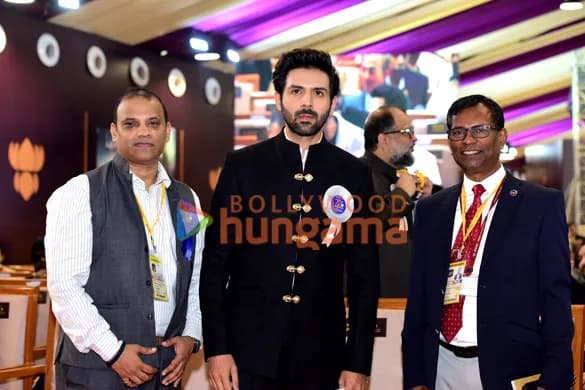
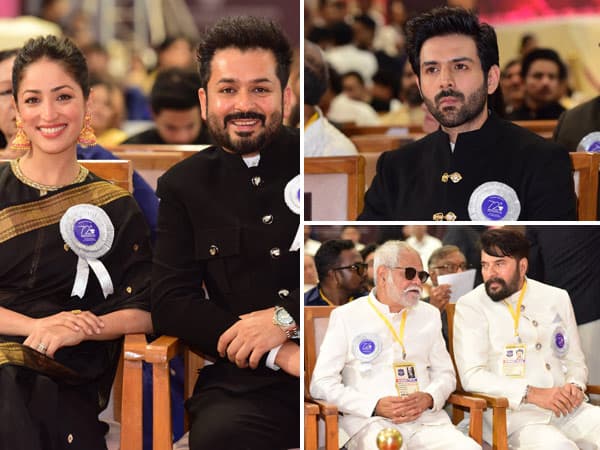
Rawal isn't wrong that the awards themselves have never been shy about their national spread. Instituted back in 1954, the National Film Awards have long tried to represent Indian cinema well beyond Hindi and Bollywood, and this year's list keeps that going. Mammootty and Kartik Aaryan share the Best Actor trophy, for Bramayugam and Chandu Champion respectively, a split verdict rather than the usual single winner. Yami Gautam picks up Best Actress for Article 370, which also takes Best Feature Film honours. Randeep Hooda gets the Best Debut Director nod for Swatantrya Veer Savarkar.
Be the first to comment
Join the argument. No password, just your email or a passkey.