The Kannada cinema veteran will be formally honoured on September 22 in Kevadia, Gujarat, with the Prime Minister calling his body of work a 'richly deserved honour.'
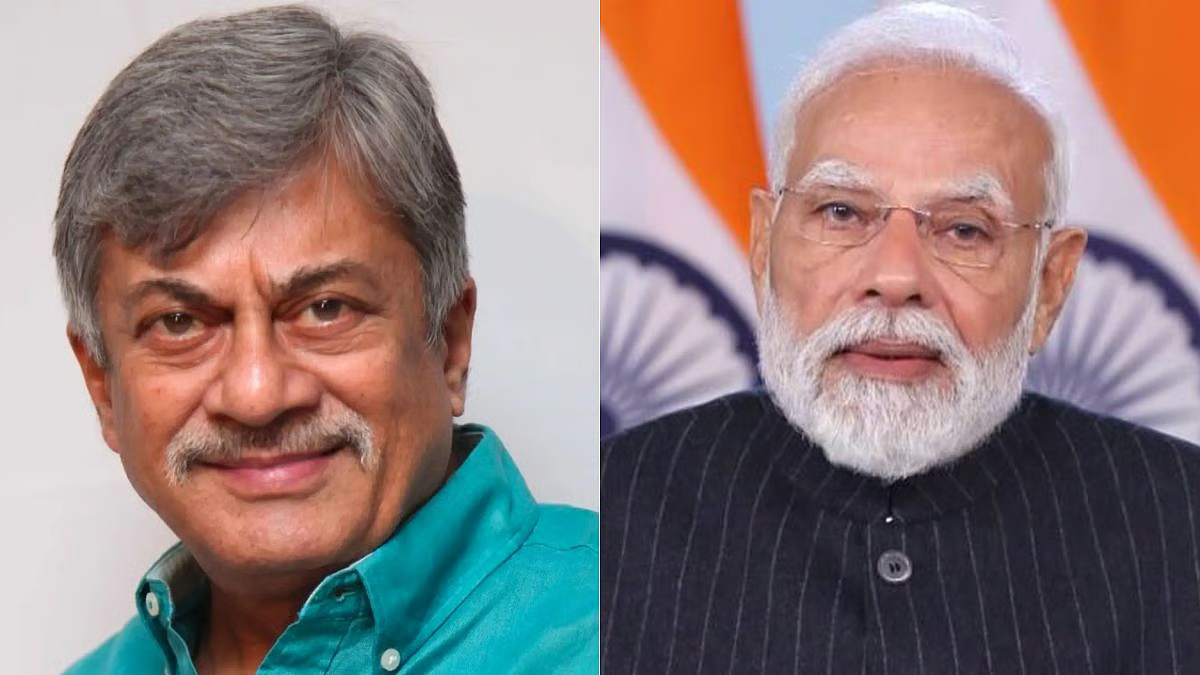
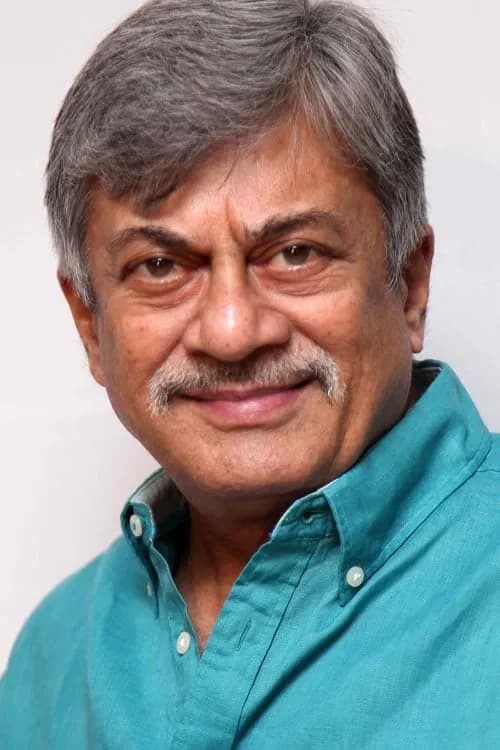
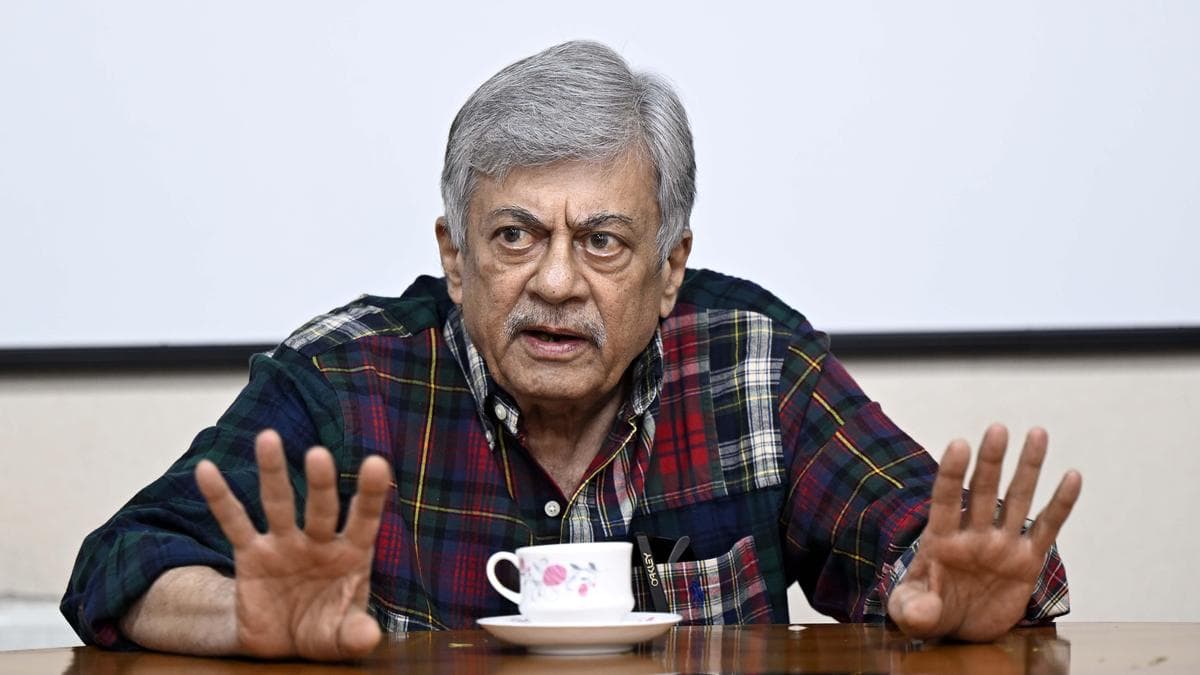
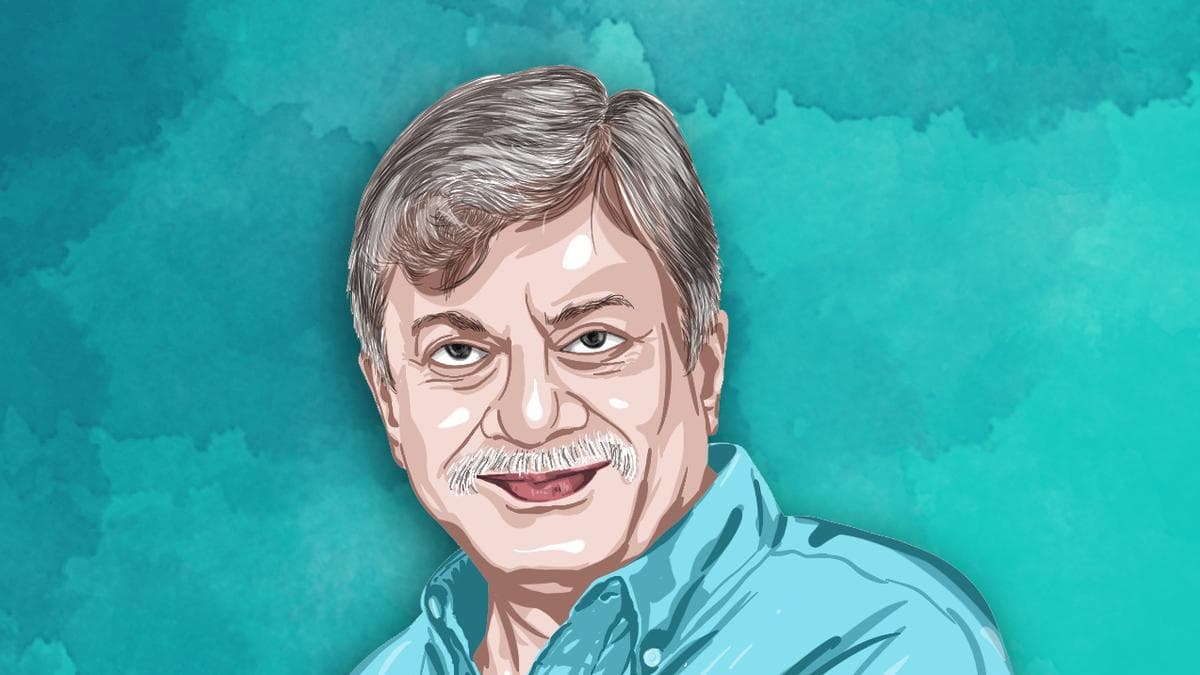
Anant Nag will collect Indian cinema's highest honour on September 22, and the Prime Minister got there first with his congratulations.
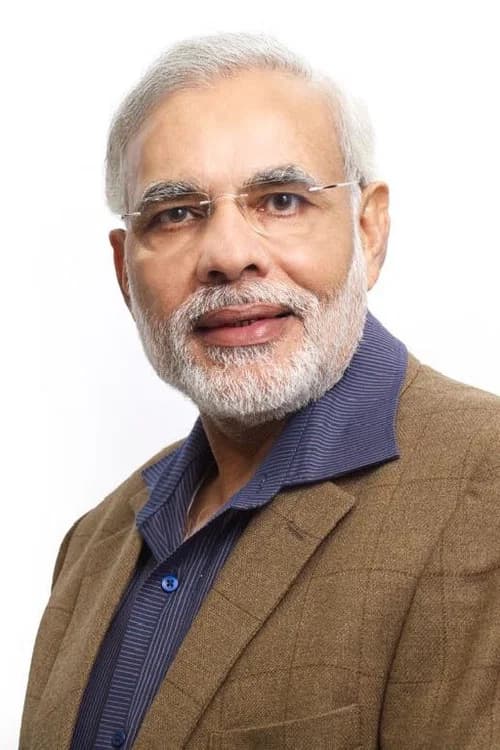
Narendra Modi posted a message on social media praising the veteran Kannada actor's "effortless performances, remarkable versatility and brilliance," adding that Nag has "left a very strong mark on Indian cinema, particularly Kannada cinema." Modi went further, calling the recognition a "richly deserved honour" for someone he described as a "truly distinguished artist."
The formal ceremony happens at the 72nd National Film Awards, being held in Kevadia, Gujarat. That's where Nag will be presented with the Dadasaheb Phalke Award 2024, the government's top prize for lifetime contribution to Indian film.
Five decades, over 270 films
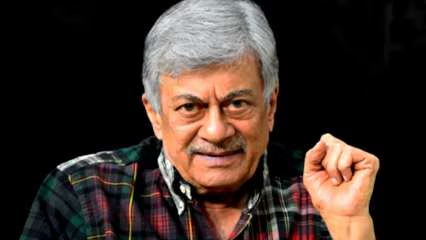
What's actually being honoured is a body of work that started in 1973, when Nag debuted in Kannada with Sankalpa. A year later he crossed into Hindi cinema through Shyam Benegal's Ankur, a film that's still taught as a landmark of the parallel cinema movement.
Since then, Nag has built a filmography running past 270 titles across Kannada, Hindi, Telugu, Tamil, Marathi, Malayalam and English. His Kannada work carries the real weight here, films like Hamsageethe, Bayalu Daari, Ganeshana Maduve, Gauri Ganesha and Mungaru Male sit at the centre of that catalogue. And there's a generational bridge in his filmography too, with younger audiences knowing him from K.G.F: Chapter 1 and K.G.F: Chapter 2, decades after he first found a national audience through Malgudi Days on television.
That range, arthouse to television to franchise blockbuster, is exactly what Modi's post gestured at when it talked about a performer who brought "rare depth and authenticity" to whatever role he took on.
Officials and political figures beyond Modi have also weighed in publicly following the announcement, with Karnataka's political circles treating the award as a moment of state pride given Nag's decades-long association with Kannada cinema.
For now the date to watch is September 22. That's when the Phalke citation actually gets handed over in Kevadia, and when a career that started with a black-and-white debut in 1973 gets its formal closing statement from the state.

Be the first to comment
Join the argument. No password, just your email or a passkey.