Ajon Singh tells The Hindu that Pattinson's dinner-table ramblings about the To Catch a Predator host convinced him to rewrite the lead role overnight, and that the film's eerie Kerala sequence actually traces back to a real Uttar Pradesh child-disappearance panic.
Robert Pattinson didn't just sign on to produce Primetime. He talked his way into playing its most unsettling character, and nobody told him to.
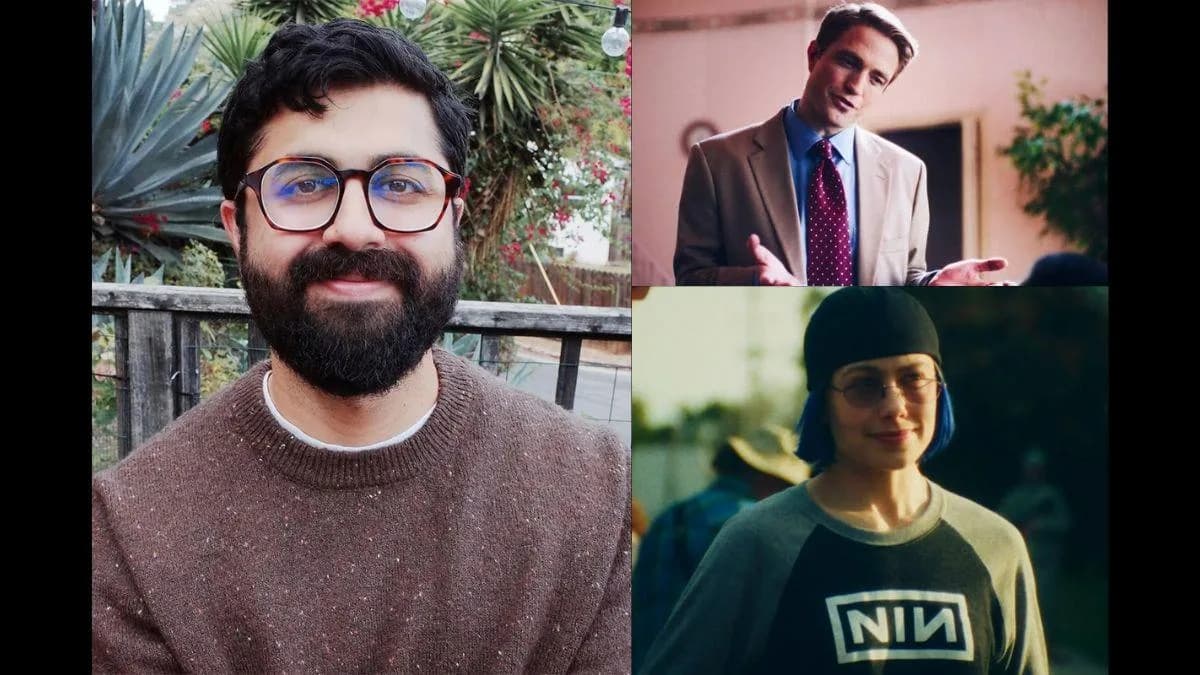
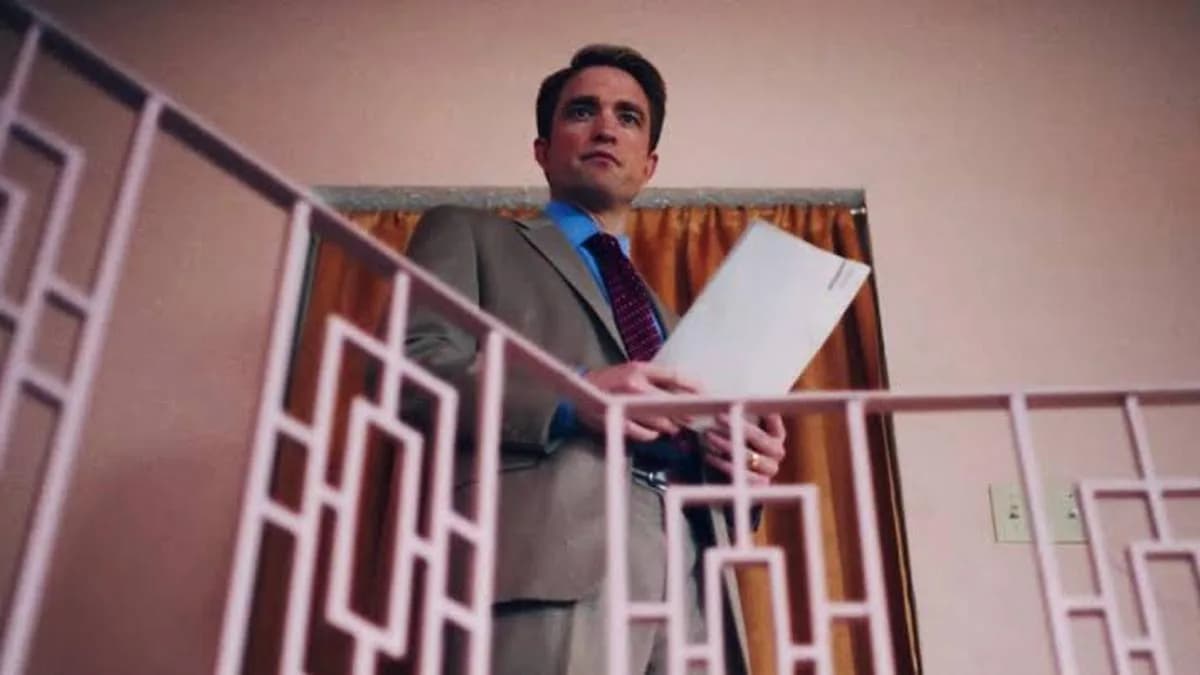
That's the story screenwriter Ajon Singh tells The Hindu in a new interview about the Lance Oppenheim film that's turned Chris Hansen, the To Catch a Predator host, into one of the stranger character studies of the year. Singh, an Indian American writer based in Los Angeles, says Pattinson was only attached as a producer when the two of them, along with Oppenheim and producer Brighton McCloskey, had what Singh calls "this epic night" at dinner. Pattinson kept talking about Hansen as though someone else would play him, except he was reciting lines from the script and describing his own habit of running laps around a local reservoir listening to the Chris Hansen podcast.
Singh says he clocked it fast. "I would pretend to go to the bathroom throughout the night, and I would take notes on my phone about what he was saying," he tells The Hindu. "I left that dinner thinking, 'he's talking about it for another actor, but I think he's actually talking about it for himself.'" Five days later, Singh had rewritten the part for Pattinson while keeping him on as producer too, a dual role Singh calls "a huge superpower" because Pattinson then spent weeks stress-testing every scene before the shoot.
Where the Kerala sequence actually comes from
The film's screenplay began life as a straighter political thriller built out of a 2007 Esquire investigation into the collapse of To Catch a Predator, centred on the televised suicide of Texas prosecutor Bill Conradt. It reshaped itself once Oppenheim and Pattinson came aboard.
But the sequence that's generated the most online chatter, in which Hansen's supposed investigation into missing children in Kerala curdles into pursuit of what plays almost like a literal monster, didn't come from Kerala at all. Singh traces it to a New York Times report on a real child-disappearance panic in Uttar Pradesh in the 1990s, where one child vanished from village after village and nobody could explain it. Communities turned on each other. There were lynchings and beatings before the Indian government stepped in to investigate.
Singh describes wanting to build something in the spirit of Sidney Lumet's Network, a film he calls one of his biggest influences "even in the way I live my life," while borrowing the visual texture of Jonathan Glazer's Sexy Beast and the sense of "mass hallucination and mass hysteria" from The Exorcist. The idea, he says, was to make a version of Network for the generation that grew up watching cable news curdle into spectacle, built around the specific derangement of a man whose crusading against predators became inseparable from his own myth-making.
The Hindu's interview doesn't address whether the Kerala-set material drew direct input from the state itself, and Singh's remarks stop short of detailing how the Uttar Pradesh story was adapted scene by scene. That's likely the thread critics and Indian audiences pull on hardest once Primetime gets a wider release here.






Be the first to comment
Join the argument. No password, just your email or a passkey.