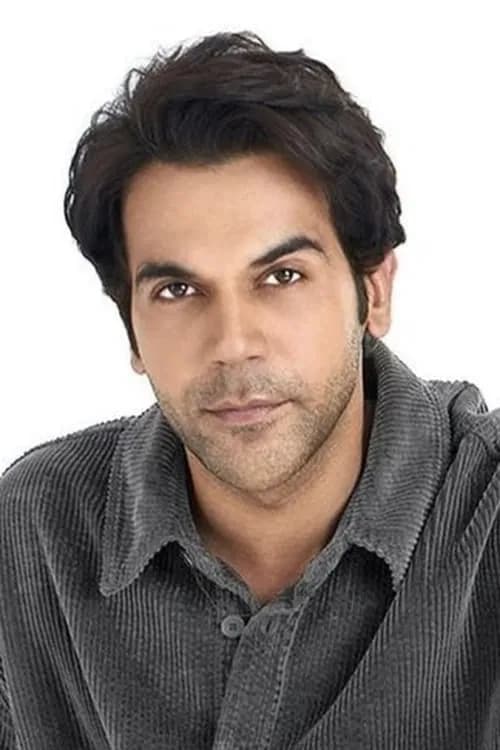
Rajkummar Rao steps into the courtroom, not a film set. Prahaar: The Untold Story of Ujjwal Nikam lands in theatres on October 16, 2026, with the actor embodying one of India’s most consequential public prosecutors in a film that zeroes in on the legal aftermath of the 26/11 attacks — not the violence, but the trial of Ajmal Kasab, the lone attacker captured alive. The film doesn’t reenact the terror. It dissects the prosecution. The medical reports. The age dispute. The forensic evidence. The Supreme Court appeal. All laid out like a legal brief. Avinash Arun directs. Wamiqa Gabbi, Jaideep Ahlawat, Sikandar Kher, and Ashish Vidyarthi are part of the ensemble cast. No star power, just substance. The film has a U/A 16+ certificate and runs for two hours and 21 minutes. It’s not a thriller. It’s a procedural. And it arrives at a time when audiences are tired of spectacle. This is about process. About proof. About justice being built, piece by piece, in a room full of lawyers and silence. Whether it stands out depends on how well it handles the weight of history. Because this isn’t fiction. It’s memory. And it’s already been lived. Ujjwal Nikam’s career was defined by high-profile cases that drew national attention. He served as public prosecutor in the 1993 Bombay blasts case, where actor Sanjay Dutt was convicted under the Arms Act for possessing prohibited weapons linked to the attack. The Supreme Court upheld the conviction in 2013, sentencing Dutt to five years. He had already served part of his sentence and was released in February 2016 after completing the term. The case attracted massive public interest because of Dutt’s status as a Bollywood icon, proof that even stars aren’t above the law. Nikam also played a key role in the 1997 murder of music mogul Gulshan Kumar, founder of T-Series, who was shot dead in Mumbai. The investigation and subsequent court proceedings became one of the most widely followed criminal cases involving the Indian music industry. The killing brought the intersection of crime, entertainment, and the legal system into sharp focus. Another major case tied to Nikam was the 2006 murder of politician Pramod Mahajan, a senior BJP leader, who was shot by his brother Pravin Mahajan and died from his injuries. The case received extensive national coverage due to Mahajan’s political stature and the circumstances surrounding the killing. These cases demonstrate the breadth of Nikam’s work. Spanning terrorism, politics, and showbiz, each one a moment where the law met the spotlight. The film’s production team emphasized research into the actual legal proceedings. The goal? To bring audiences closer to the courtroom arguments and the challenges of building a prosecution case based on evidence, not emotion. Portraying a real person adds another layer of responsibility. The performance must reflect professional duty, grounded in documented events. Prahaar doesn’t offer a dramatized version of the 26/11 attacks. It focuses on the legal battle that followed. One where truth was contested, facts were scrutinized, and justice was fought through documents, testimony, and procedure. The film’s release marks a shift in how Bollywood handles trauma: not through action or revenge, but through the quiet, relentless machinery of the law.
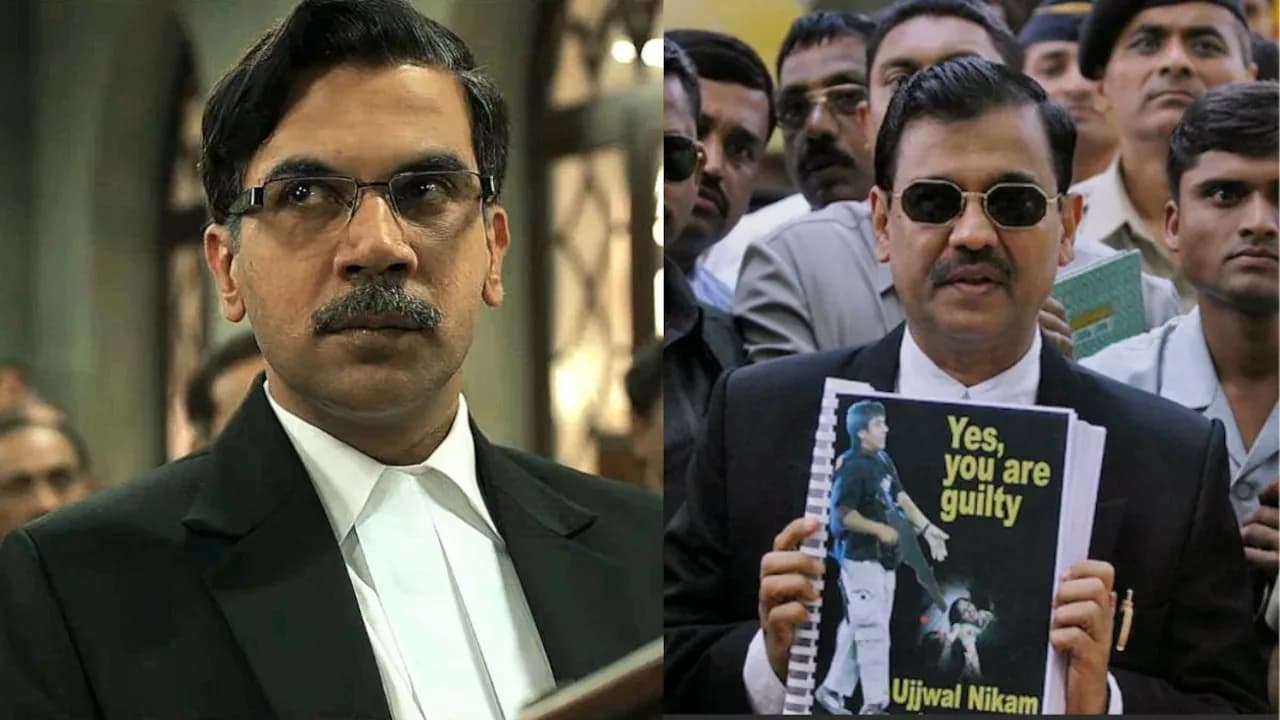 Photo via Bollywood Mascot
Rajkummar Rao Takes On Ujjwal Nikam in Prahaar: The Untold Story of 26/11 Prosecution
Prahaar: The Untold Story of Ujjwal Nikam – Rajkummar Rao's new film on the 26/11 prosecutor released on October 16, 2026
In this story
Live site hype
around 1 reading right now · 58 today
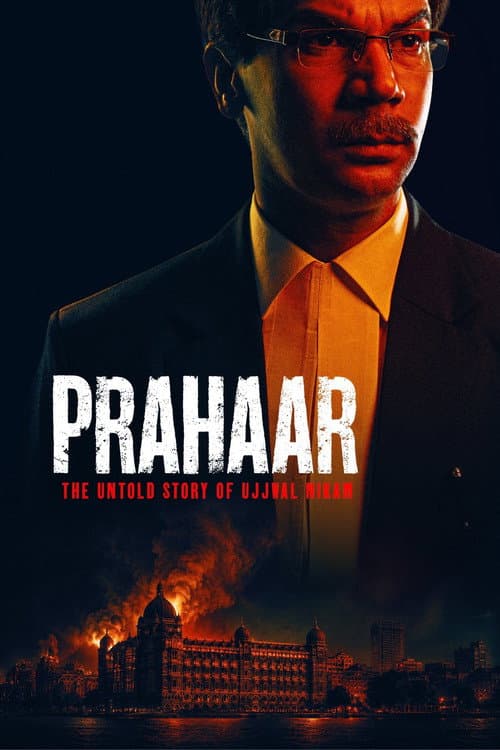
About the film
Prahaar
16 October 2026 · in theatres · cast, trailer and release details
Reported from
This article was written by the CutMirchi desk from the reporting above. Facts are attributed to their original publishers.
Read next
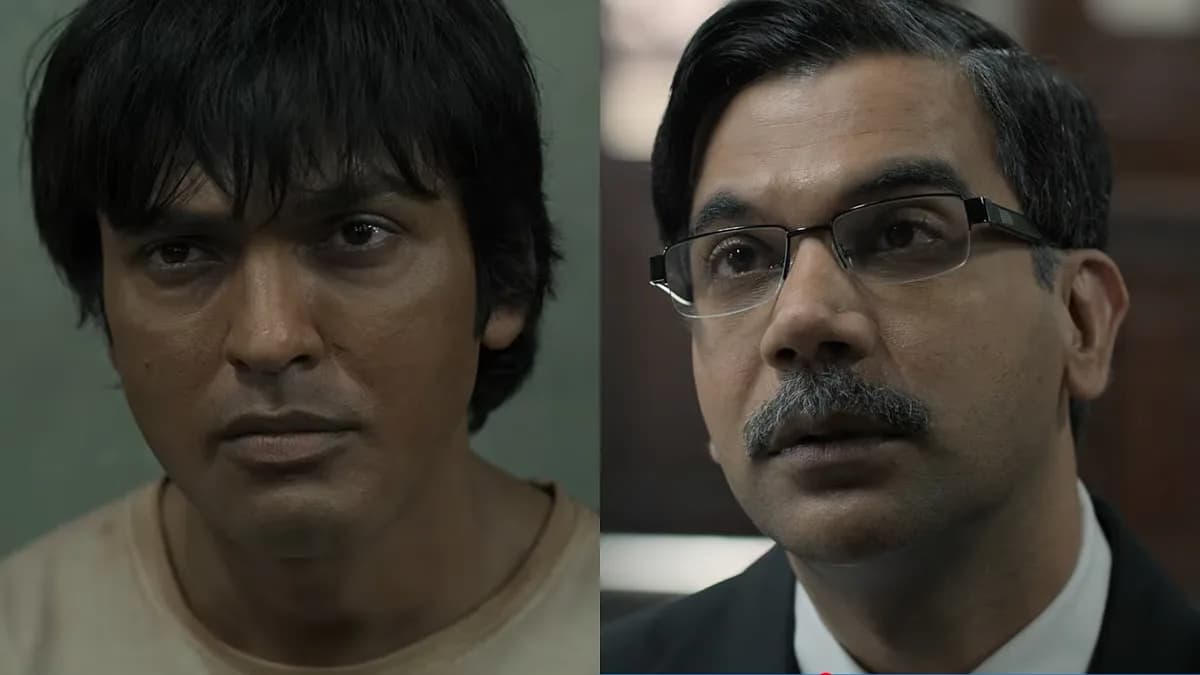
Prahaar The Ujjwal Nikam Story: Lalit Prabhakar Looks Like Kasab, And That’s Why It Works
Lalit Prabhakar looks like Ajmal Kasab. That’s what Ujjwal Nikam said after seeing the first stills from Prahaar. Not a performance review. Not a critique of casting. Just: Yaar, ye bilkul waisa hee lagta hai.
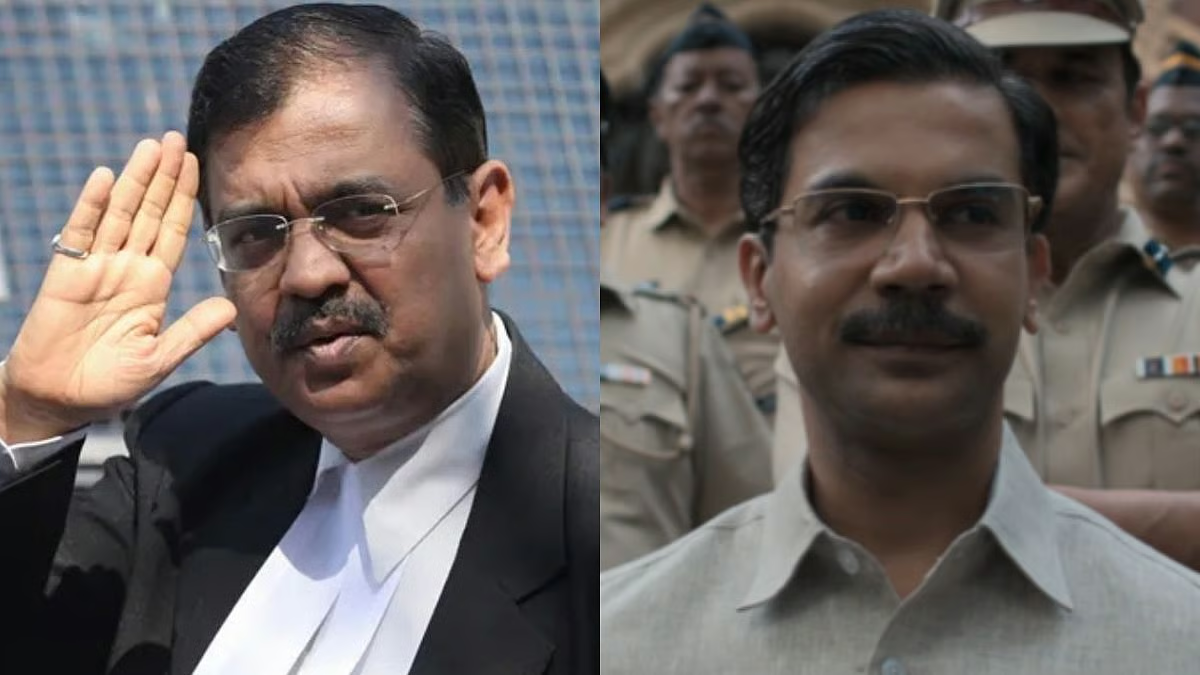
Ujjwal Nikam’s Rules For Prahaar: No Glorification, Real Names, No Exceptions
Ujjwal Nikam demanded real names, no glorification — and got it. Prahaar releases October 16.
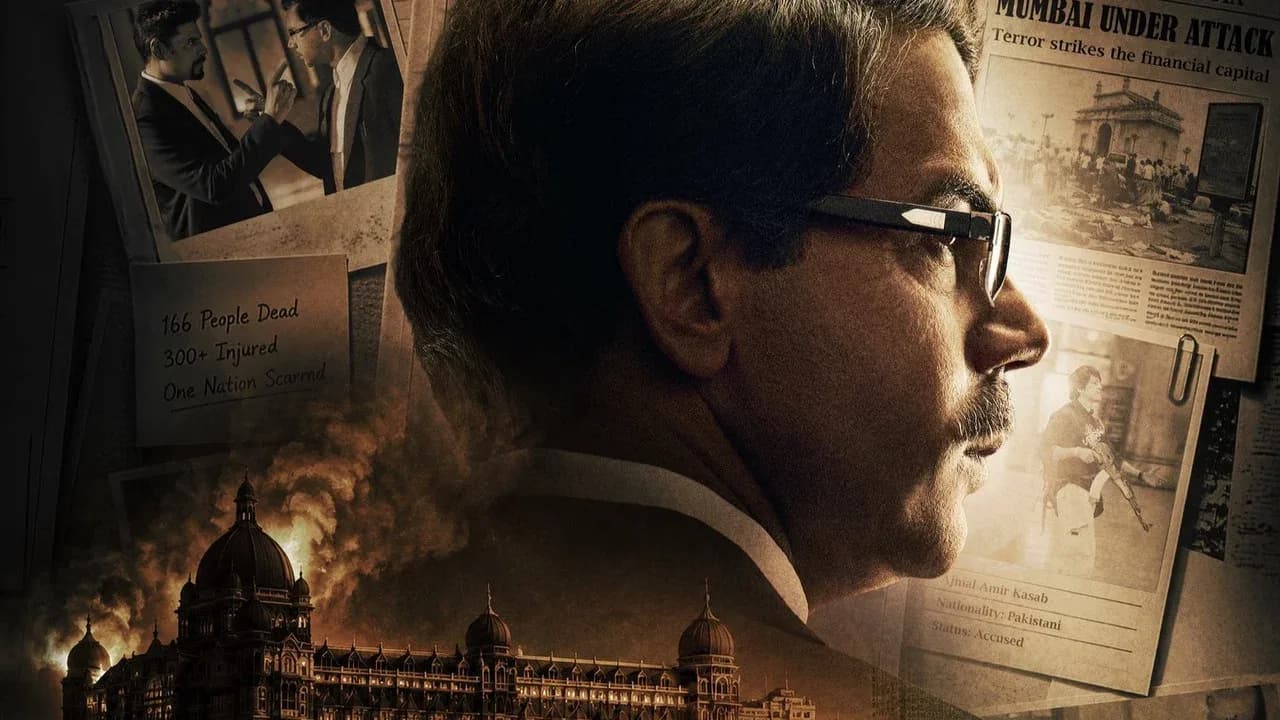
Rajkummar Rao Gains 8kg for Prahaar Role
Rao gained 8kg to play Ujjwal Nikam. The film releases October 16.
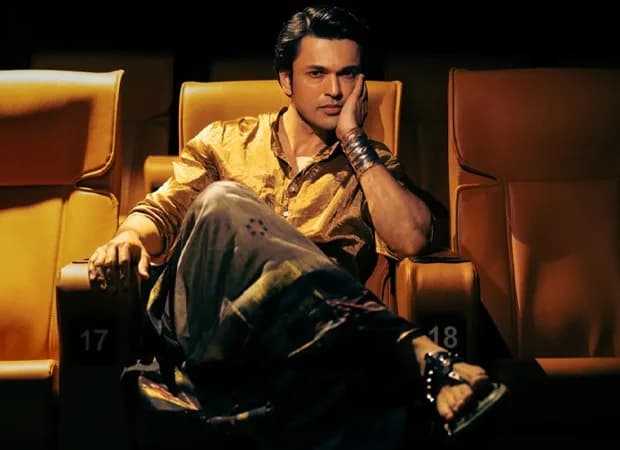
Lalit Prabhakar Transforms into Ajmal Kasab for Prahaar Trailer
Prahaar’s trailer, launched at Mumbai’s historic CSMT, reveals Marathi actor Lalit Prabhakar’s chilling portrayal of Ajmal Kasab, a role he earned after intensive research and a rigorous audition.
Be the first to comment
Join the argument. No password, just your email or a passkey.