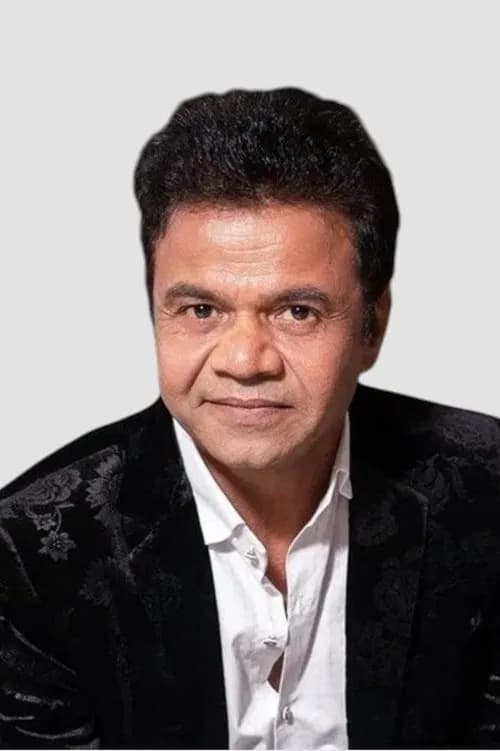
Rajpal Yadav has secured a significant reprieve in his protracted ₹2 crore cheque bounce case after the Supreme Court referred the matter to mediation, following his full deposit of the demanded amount. The development came during a hearing on October 15, 2026, before a bench comprising Chief Justice Surya Kant and Justice Joymalya Bagchi. The court acknowledged that Rajpal Yadav had fulfilled the condition set earlier — depositing ₹2 crore toward the outstanding dues owed to Murli Projects Private Limited, and directed the parties to attempt an amicable resolution through the Supreme Court Mediation Centre. This marks a pivotal shift in a dispute that has spanned over a decade. The case originated in 2010, when Rajpal Yadav and his wife took a loan of approximately ₹5 crore from Murli Projects for the production of his directorial debut, Ata Pata Laapata. When cheques issued for repayment were dishonoured, the matter escalated under Section 138 of the Negotiable Instruments Act, leading to criminal proceedings. In July 2024, the Delhi High Court upheld a three-month prison sentence against the actor. His appeal to the Supreme Court focused on compliance with prior orders and challenging the conviction. Earlier in October, on October 7, Rajpal appeared before the court and submitted demand drafts worth ₹1.15 crore. His counsel informed the bench that the remaining ₹85 lakh would be raised through a prospective buyer of his ancestral property. The court then directed him to complete the ₹2 crore deposit by October 13. According to reports published on October 15, the full sum was deposited as ordered. That payment cleared the way for the referral to mediation. The court also addressed Rajpal Yadav’s request to travel internationally for a film-related commitment in Canada. It directed the trial court to release his passport, enabling him to seek necessary permissions. However, the court emphasized that passport release does not absolve him of legal obligations or guarantee unrestricted travel. The outcome of the mediation remains uncertain. The process is meant to help a settlement on the remaining financial liability, but no final terms have been agreed upon. The actor’s challenge to the earlier conviction and sentence remains pending. The mediation will not automatically resolve those issues. For now, the focus shifts from enforcement to negotiation. The case, once defined by repeated court appearances and financial strain, enters a new phase. One where compromise, not confrontation, may hold the key.
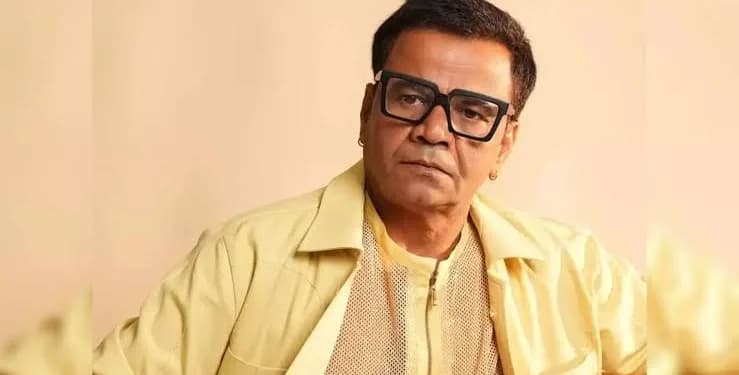 Photo via Bollywood Mascot
Rajpal Yadav Gets Supreme Court Relief in ₹2 Crore Cheque Bounce Case
Rajpal Yadav gets Supreme Court relief in ₹2 crore cheque bounce case
In this story
Live site hype
around 1 reading right now · 145 today
Reported from
- Bollywood Mascot — Rajpal Yadav Gets Supreme Court Relief in ₹2 Crore Cheque Bounce Case
- Kashmir Observer — Bollywood Comedian Rajpal Yadav Gets Relief in Cheque-bounce Case
- Bollywood Hungama — Rajpal Yadav deposits Rs 2 crores in cheque bounce case; Supreme Court refers dispute to mediation
This article was written by the CutMirchi desk from the reporting above. Facts are attributed to their original publishers.
Read next
Supreme Court Gives Rajpal Yadav Two Weeks, Orders Rs 2 Crore Deposit
The Supreme Court told Rajpal Yadav to deposit Rs 2 crore and return with a real repayment plan by October 5, warning that his conduct in a long-running cheque-bounce dispute has not inspired confidence.
Rajpal Yadav Gets Supreme Court Reprieve In Cheque Bounce Cases
The Supreme Court has exempted Rajpal Yadav from surrendering in seven cheque dishonour cases, provided he deposits Rs 5 crore with the Registry. The matter, tied to his production company, returns to court on September 15.
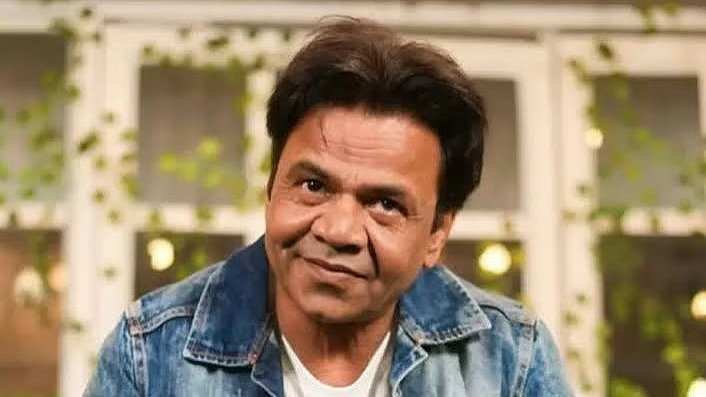
Rajpal Yadav Faces Arrest Over Cheque-Bounce Case, Court Sets Oct 13 Hearing
A bailable warrant has been issued against actor Rajpal Yadav in a cheque-bounce case. He must appear before the Mhow court by October 13. Police in Mumbai have been directed to execute the arrest.
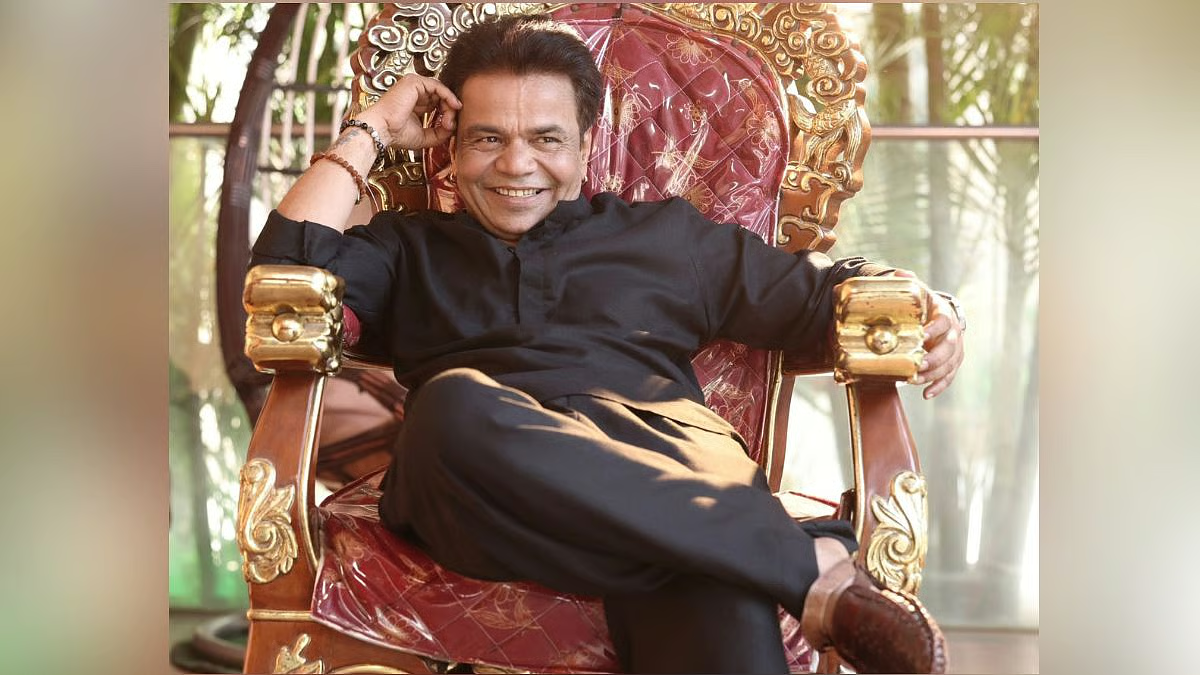
Rajpal Yadav Asks: Is Every Daughter Truly Safe?
Rajpal Yadav isn’t just repping the Bhool Bhulaiyaa franchise this Navratri — he’s calling out a contradiction most of us pretend not to see.
Be the first to comment
Join the argument. No password, just your email or a passkey.