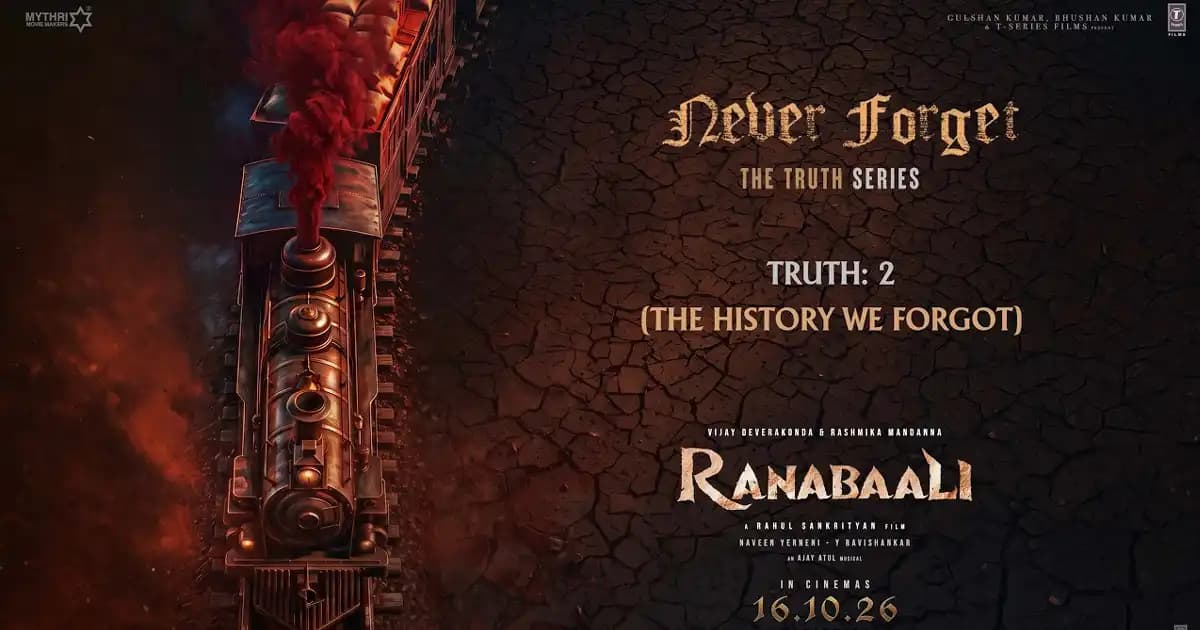
The second episode of the Ranabaali docu‑series, hosted by Vijay Deverakonda and Rashmika Mandanna, claims the colonial rail network was built to ship Indian produce abroad, not for development.
The Ranabaali team has rolled out a four‑part documentary series that teases the historical backdrop of the upcoming movie. While the first episode focused on a man‑made famine that claimed a crore lives, the second installment turned the spotlight on the colonial railway system.
Vijay Deverakonda, the film’s lead, and co‑star Rashmika Mandanna sat down to explain a claim that has been bubbling under the surface of Indian history discussions. According to them, the British did not invest in railways to modernise the sub‑continent. Instead, they allegedly laid tracks to whisk away our grain, spices, cotton and even gold to coastal ports for export. The duo insists that this angle never made it into school curricula because the colonisers wrote the history books.
Rashmika added that learning this version of events felt like a sudden storm, shaking her perception of the era. Vijay echoed the sentiment, pointing out that the syllabus we follow is a product of the victors’ narrative, which conveniently omits the exploitative motives behind the rail lines.
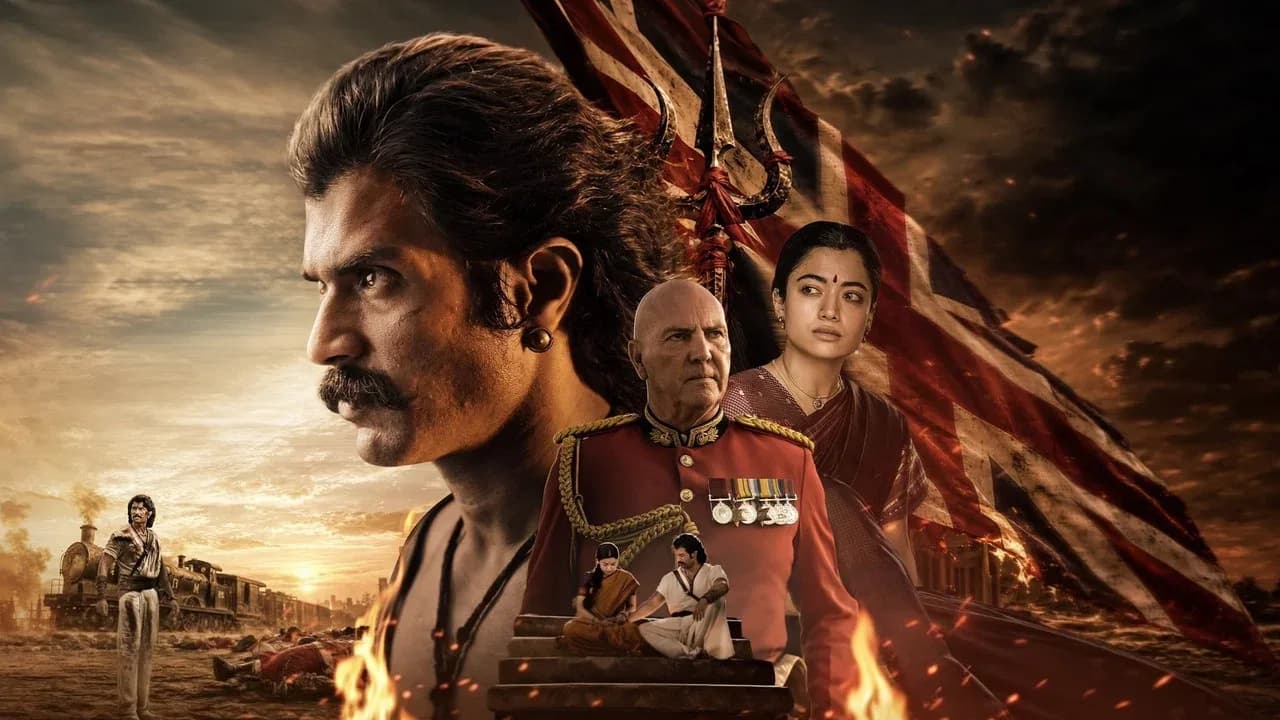
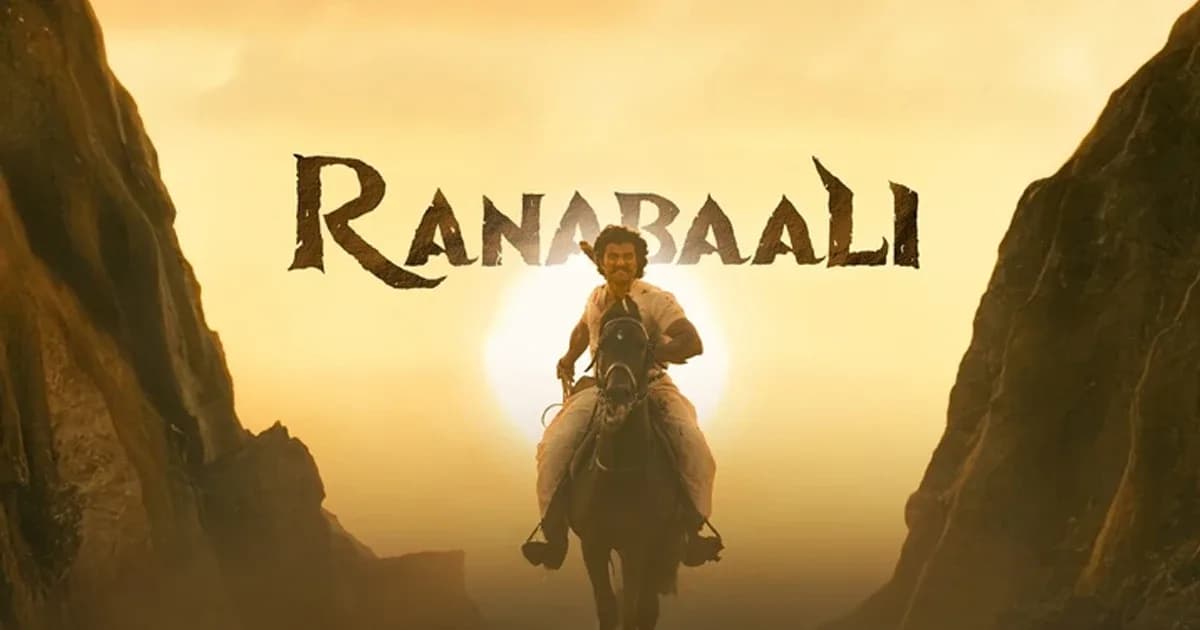
Director Rahul Sankrityan, who is steering the feature‑film version of Ranabaali, has confirmed that the movie will hit theatres on October 16. He says the documentary snippets are meant to prime audiences for the larger story, which delves into the human cost of colonial policies without turning into a conventional freedom‑struggle saga.
The series, released episode by episode, has already sparked chatter on social media. Fans are dissecting the claims, comparing them with academic texts, and debating whether the documentary’s take will reshape popular understanding of the British Raj’s infrastructure projects.
While the film’s promotional machine is still building momentum, the documentary’s bold assertion adds a fresh layer to the conversation around Ranabaali. Whether historians will back the claim or label it as dramatisation remains to be seen, but the buzz is undeniable.
As the October release draws nearer, the Ranabaali team appears poised to ride the wave of curiosity they’ve generated. The next episode promises to dive deeper into the economic ramifications of the grain‑theft famine, setting the stage for a film that blends period drama with investigative storytelling.
Stay tuned for the final documentary drop and the film’s opening weekend numbers – they might just rewrite how we view a chapter of our past.






Be the first to comment
Join the argument. No password, just your email or a passkey.