Mythri Movie Makers rolled out a four‑part YouTube documentary, starting with "The Famine We Forgot" on Sept 28, to set the stage for the Oct 16 theatrical launch.
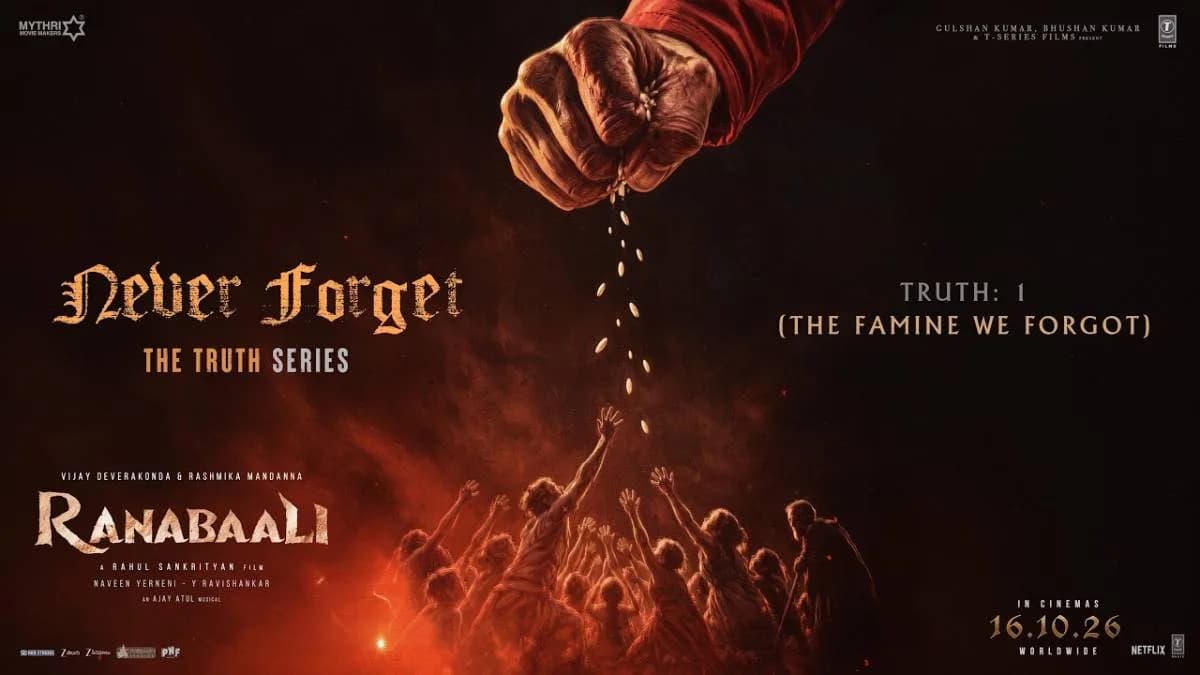
The first episode of Never Forget The Truth dropped on YouTube this Wednesday, pulling back the curtain on the making of Ranabaali. Titled The Famine We Forgot, the instalment dives into a little‑known tragedy that inspired the film’s narrative.
And that’s just the opening act. The series, billed as a four‑part documentary, will roll out three more chapters – The History We Forgot, The Men We Forgot and The Last Load – before the movie hits screens on October 16.
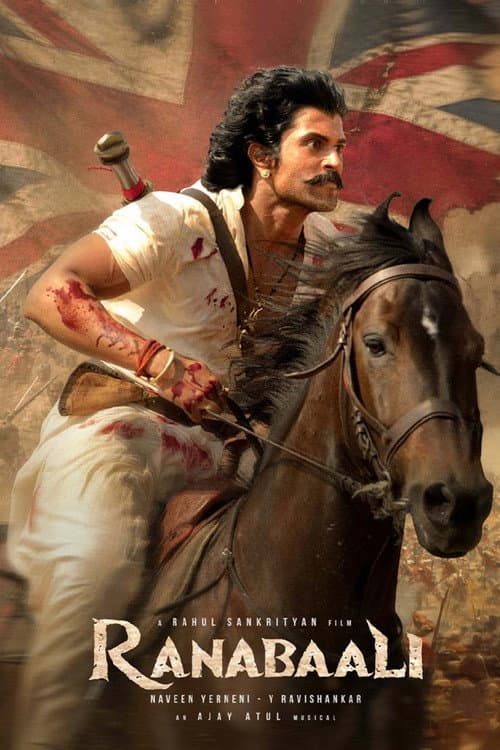
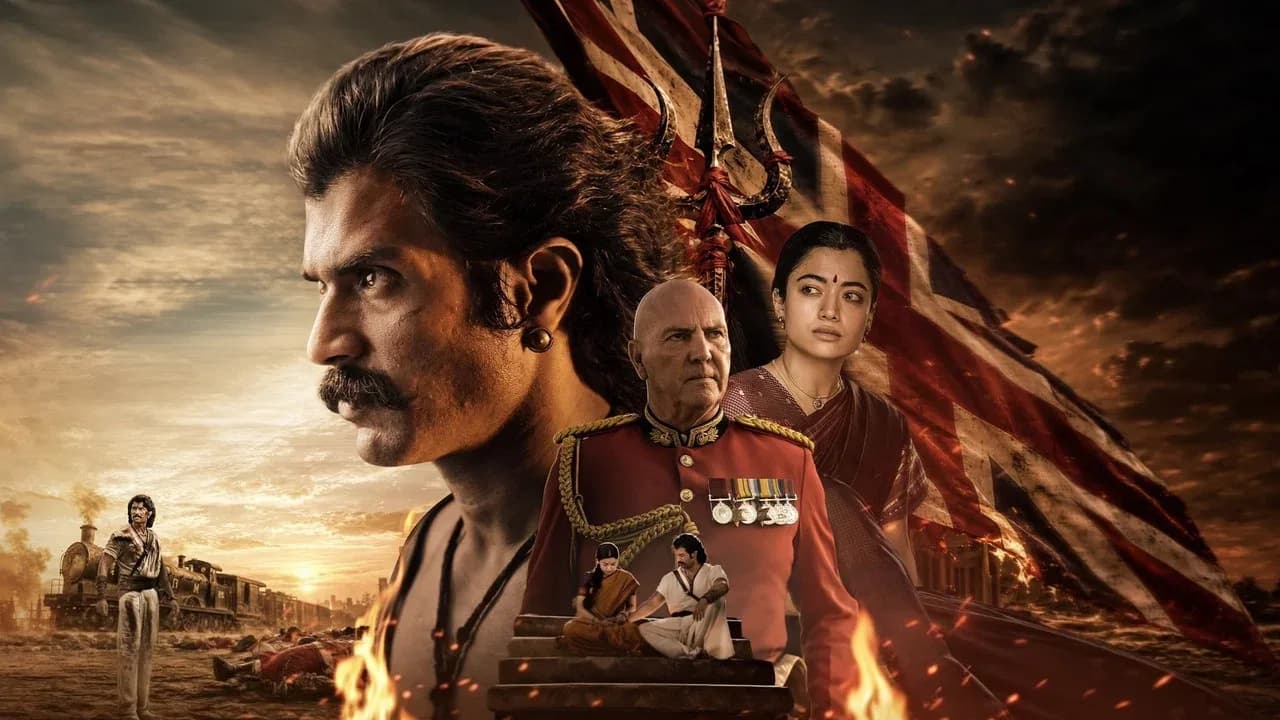
Vijay Deverakonda and Rashmika Mandanna, the film’s leads, appear in the documentary, offering candid reflections on their characters and the period they’re portraying. Director Rahul Sankrityan walks viewers through his vision, while producers Naveen Yerneni and Y. Ravi Shankar explain why they chose to reveal the backstory early.
Why a Documentary First?
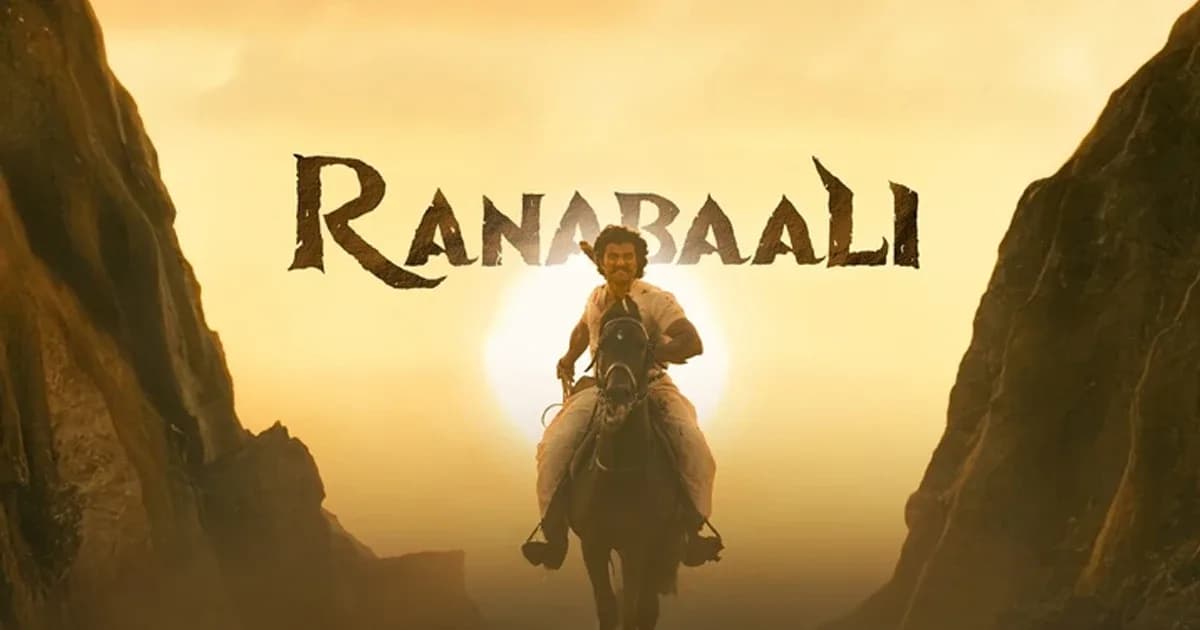
In a market where many big‑budget projects keep their trailers under wraps until weeks before release, Ranabaali’s team opted for transparency. By showcasing the painstaking recreation of 19th‑century settings – from sprawling sets to period‑accurate costumes – they hope to build confidence among audiences who might otherwise be skeptical of a historical drama.
But the move also serves a marketing purpose. Social media chatter has already picked up on the series, with fans dissecting the production design and historians weighing in on the famine narrative. The early exposure could turn curiosity into ticket sales when the film finally opens.
The documentary doesn’t shy away from the logistical challenges either. It highlights the effort required to locate authentic locations, the scale of set construction, and the coordination needed for large‑scale crowd scenes. Those details, presented in crisp visuals, act as proof of the film’s ambition.
And the timing is deliberate. Releasing the first episode on September 28 gives a two‑week runway before the theatrical debut, allowing word‑of‑mouth to build organically. The subsequent episodes will drop at regular intervals, keeping the conversation alive.
Industry observers note that this strategy could set a precedent for other regional productions. If the series succeeds in driving footfall, we might see more filmmakers adopt a similar “docu‑first” approach, especially for period pieces that demand audience buy‑in.
For now, the response is mixed but largely positive. Viewers praise the high production values and the educational angle, while some critics argue that the series could spoil key plot points. The filmmakers, however, maintain that the documentary is meant to enrich the viewing experience, not replace the mystery of the film itself.
So, with Ranabaali’s world already taking shape on YouTube, the real test will come on October 16 when the movie finally lights up the big screen. Will the documentary’s promise translate into box‑office numbers? Only time will tell.




Be the first to comment
Join the argument. No password, just your email or a passkey.