The makers dropped the artwork on Ganesh Chaturthi to kick off Ramayana's music rollout, days ahead of the AR Rahman-composed track Jai Jai Ram.
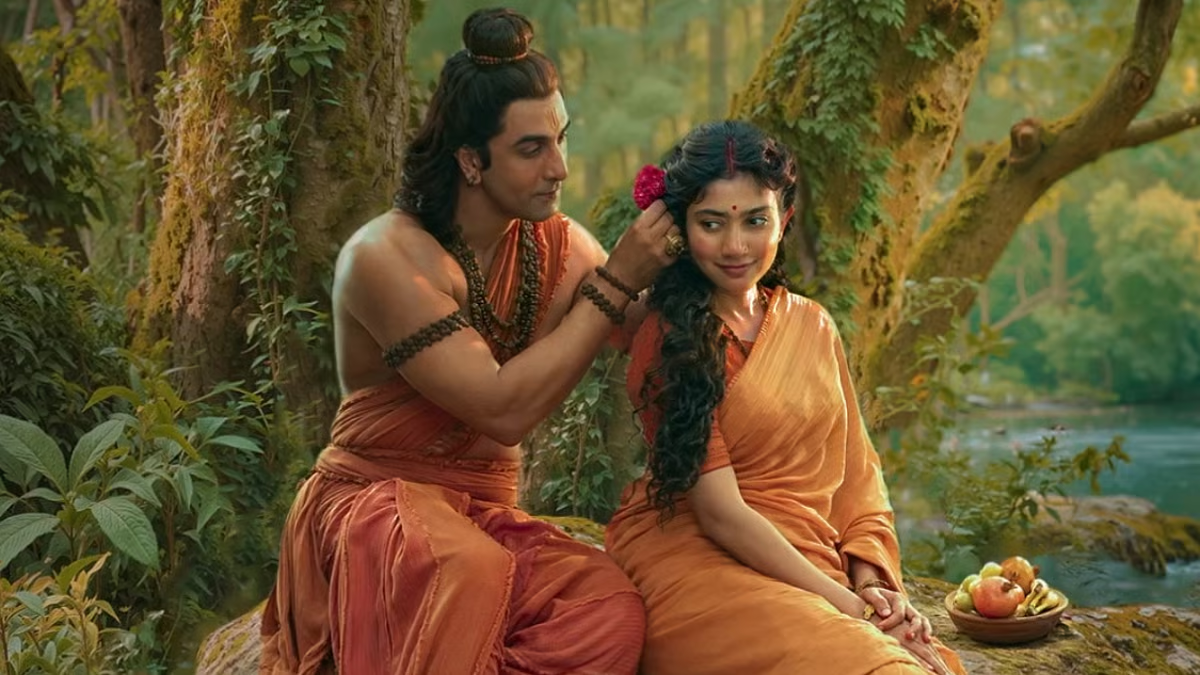
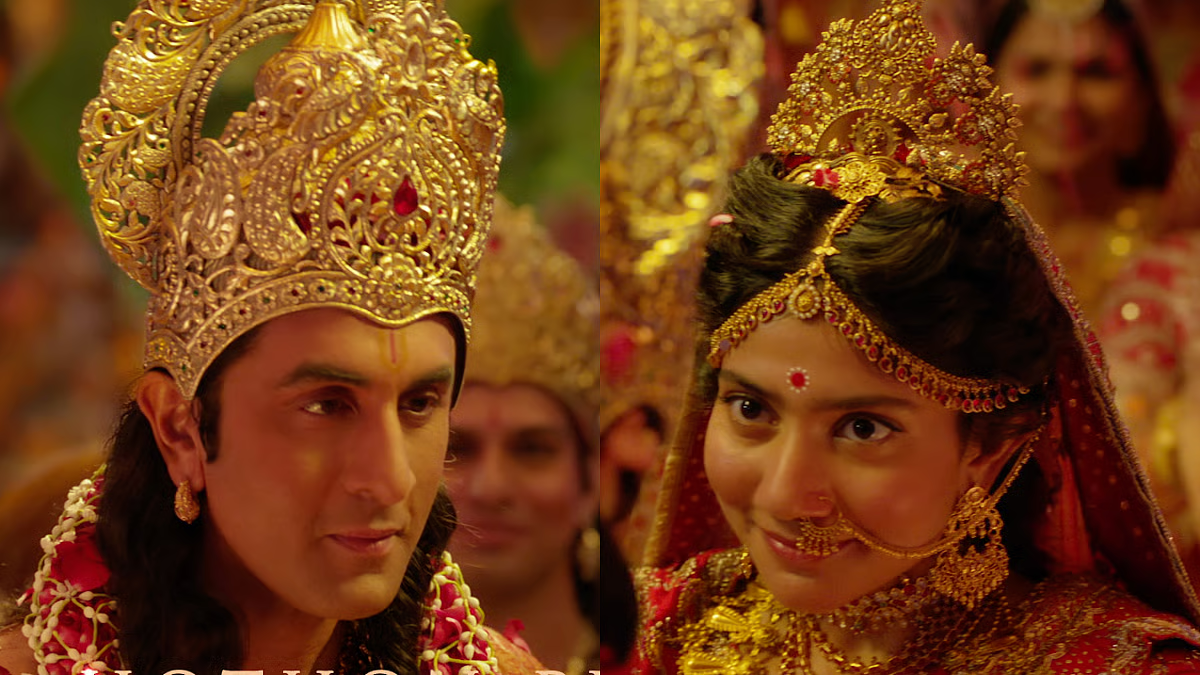
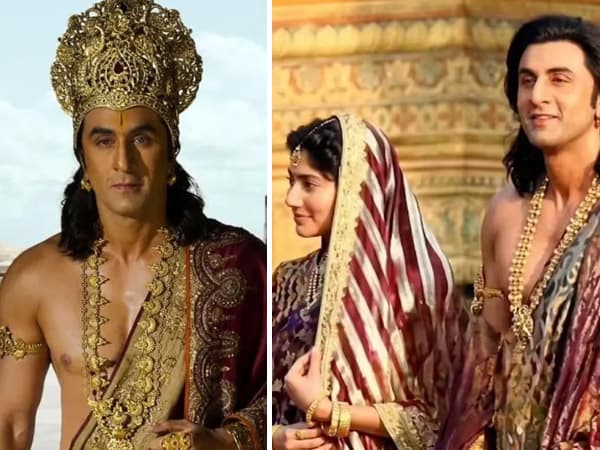
The first look at Siya Ram is out, and it's exactly the quiet moment you'd expect the marketing team to lead with. Ranbir Kapoor's Ram is seen tucking a flower into Sai Pallavi's Sita's hair, the two of them by a river, dressed in the kind of simple traditional attire that's clearly meant to read as devotional rather than regal. No armour, no battle, no Yash lurking in the frame as Ravana. Just Ram and Sita.
The makers put it out on Ganesh Chaturthi, and the caption kept things brief: "Celebrating the timeless bond of Siya Ram." It's the opening move in what's being billed as the film's musical rollout, with the song Jai Jai Ram set to follow.
That track carries some serious names. AR Rahman has composed it, Arijit Singh and Shreya Ghoshal are singing it, and the lyrics are credited to Dr Kumar Vishwas. On paper, that's about as premium a combination as Hindi film music gets right now, and it's clearly designed to set the emotional register before the trailer machinery kicks into gear.
Ramayana: Part 1 has been one of the more heavily tracked productions of the year, not just for its scale but for the sheer size of its cast. Ranbir Kapoor plays Ram, Sai Pallavi is Sita, and Yash takes on Raavan. The supporting lineup includes Rakul Preet Singh, Ravie Dubey, Vivek Oberoi, Saurabh Sachdeva and Sheeba Chaddha, which gives you a sense of how many mythological set pieces this thing is planning to cover across two films.
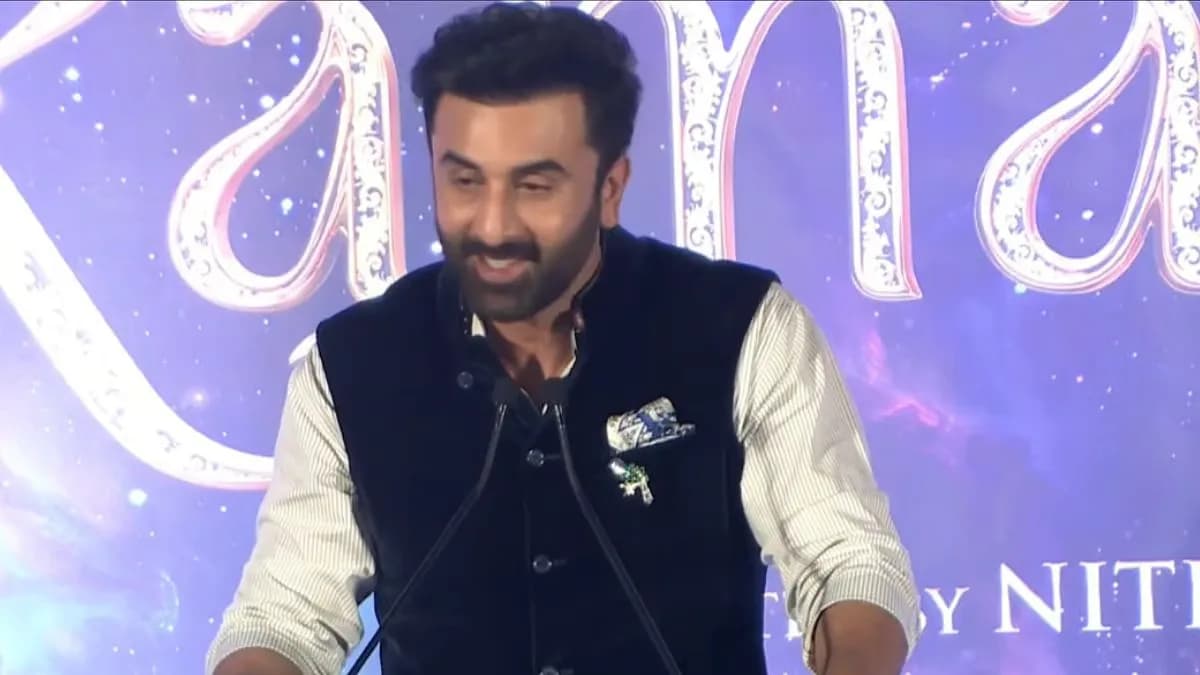
Nitesh Tiwari is directing, which is worth sitting with for a second. This is the man behind Dangal and Chhichhore, films built on grounded, almost domestic emotion rather than spectacle. Whether that sensibility translates to a Diwali-scale mythological epic is one of the more interesting questions hanging over this project, and a poster of two people quietly sitting by a river suggests the makers know it too.
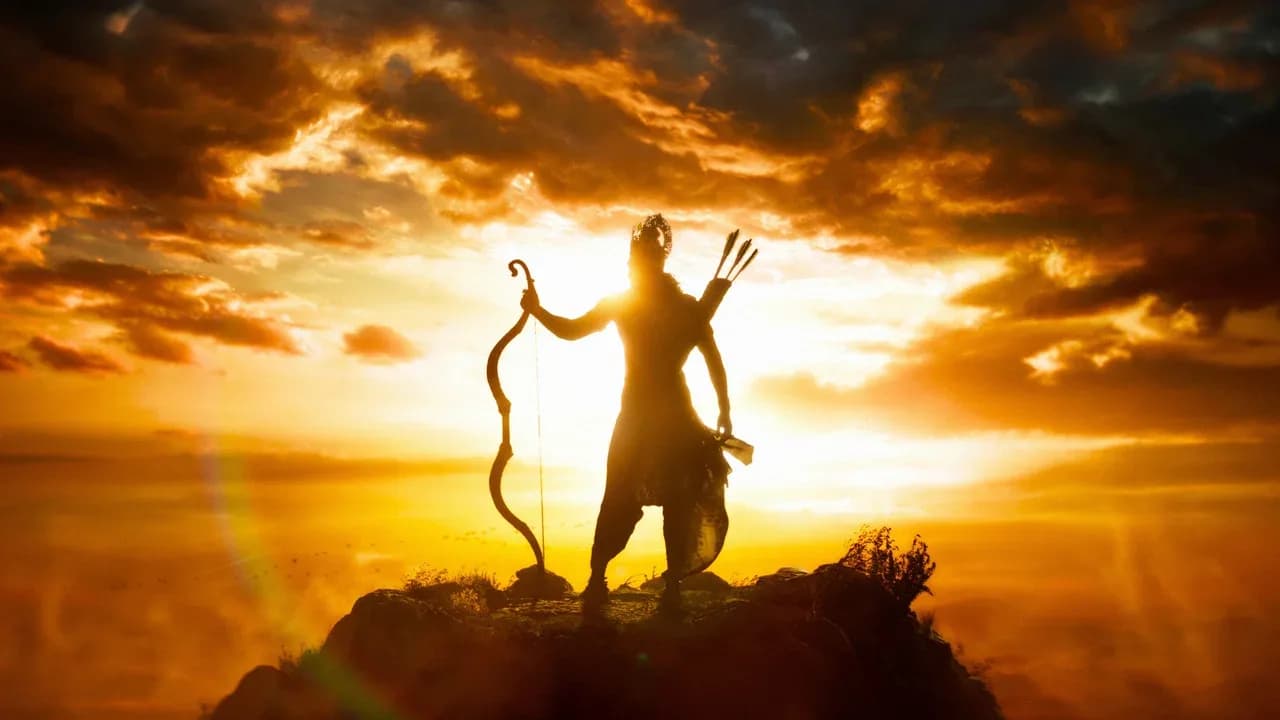
Ramayana: Part 1 is slated for a Diwali 2026 release. Part 2 is booked in for Diwali 2027, meaning this is a two-year rollout with music, posters and presumably a trailer or three still to come before audiences get a proper sense of what Tiwari has actually built.
For now, the internet has a poster to argue about, a song to wait for, and a full year to speculate on how this compares to whatever else lands in that Diwali window. The makers, smartly or otherwise, have picked stillness over spectacle to open the conversation.

Be the first to comment
Join the argument. No password, just your email or a passkey.