The Andhra Pradesh school attack has turned a spotlight on cinematic violence — and RGV’s Ramayana analogy just made it worse.
A 15-year-old girl was attacked with a chainsaw inside a classroom in Raptadu, Anantapur district of Andhra Pradesh, on Sunday, sparking national outrage and reigniting the debate over violent content in Indian cinema. The accused, identified as Hemanth, a 21-year-old man reportedly linked to the victim through a prior relationship, allegedly launched the attack after she rejected his advances.
Another student, Lakshmi, sustained injuries while trying to intervene. Both victims are now receiving treatment at Manipal Hospital in Bengaluru, where the girl is reported to be in stable condition. Police have confirmed that Hemanth has been traced and taken into custody in Dharmavaram. Preliminary investigations suggest the motive was rooted in personal obsession and stalking, not random violence.
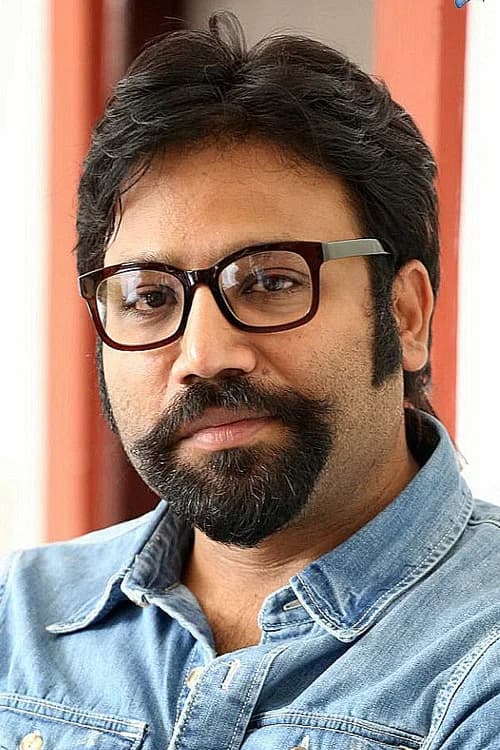
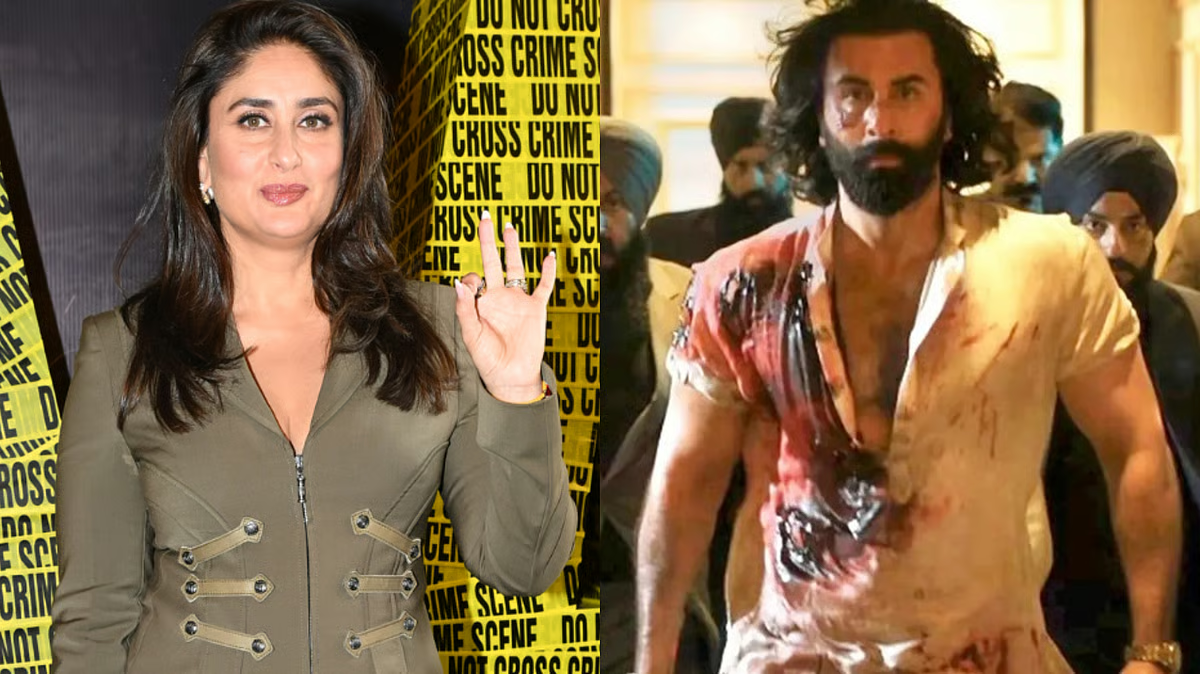
The incident has drawn immediate comparisons to a scene in Animal, Sandeep Reddy Vanga’s controversial film starring Ranbir Kapoor, in which the protagonist enters a school classroom brandishing a loaded gun. Social media users have pointed to this sequence as a point of convergence between fiction and real-world trauma. One user questioned when filmmakers and actors would be held accountable for the influence of such portrayals on impressionable audiences.
Another highlighted the irony: when critic Dhruv Rathee called out Aditya Dhar and Sandeep Reddy Vanga for what he described as the glorification of violence and propaganda in films like Dhurandhar, he faced online backlash from right-wing groups. Now, the consequences of normalizing aggression are being felt in real life, the user argued.
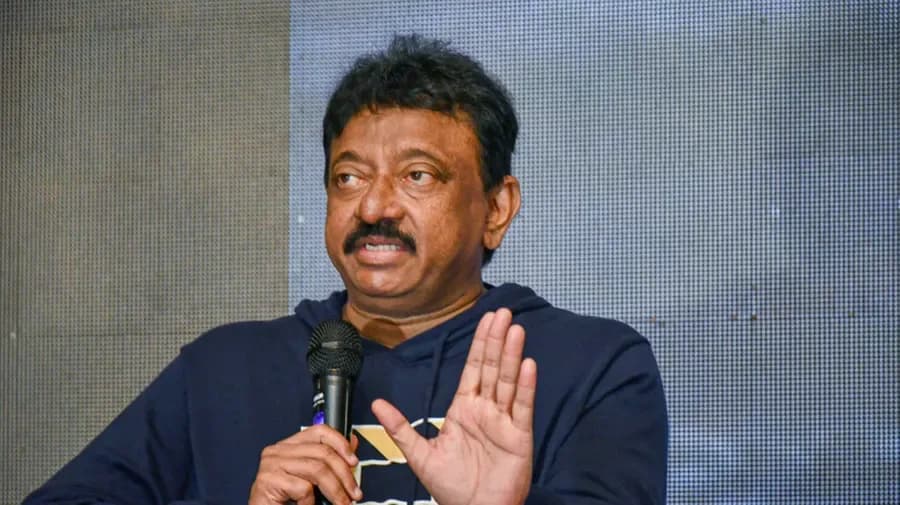
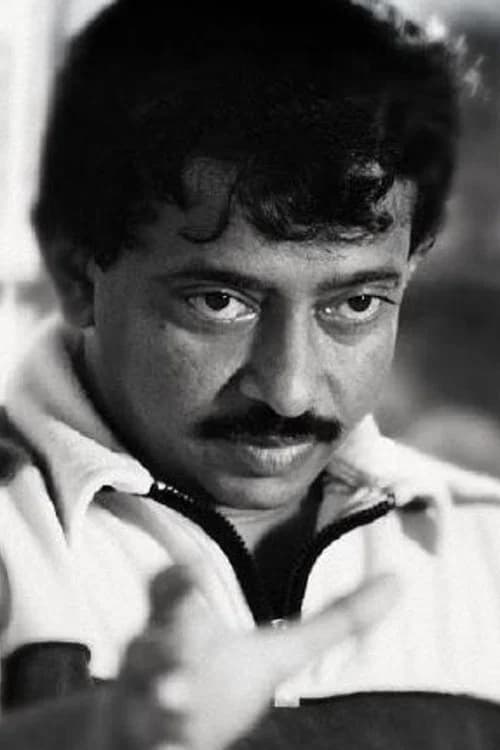
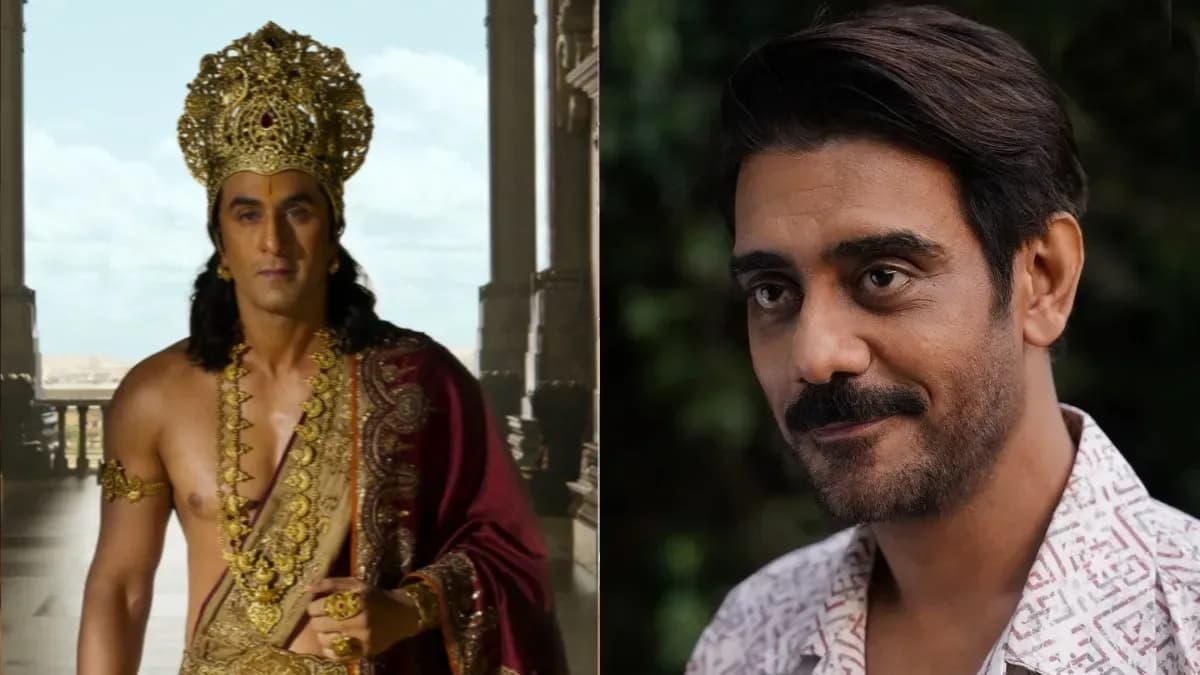
A broader concern emerged about how repeated cinematic depictions of extreme violence — especially framed as masculine power, might erode empathy in viewers. Amid the storm, Ram Gopal Varma stepped into the fray. In a post shared on X, the veteran filmmaker dismissed criticism of violent films as misplaced, drawing a sharp parallel: “Blaming films for rise in violence is like blaming Ramayana for rise in kidnappings.” The statement, while intended as rhetorical, landed with force.
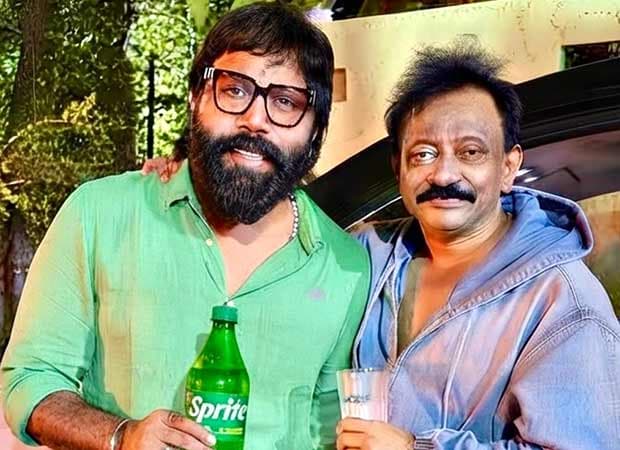
It came amid growing scrutiny of how screen violence is portrayed, particularly in commercial cinema. RGV has long expressed admiration for Sandeep Reddy Vanga, publicly praising him as a bold new voice in Indian filmmaking. Vanga, in turn, has acknowledged RGV as a key influence on his own career. Their professional connection adds weight to the conversation, but not resolution.
No one is claiming Animal caused the attack. Yet the question lingers: how much does a single scene shape perception? And who decides when fiction crosses into danger? The next step lies not in headlines, but in courtrooms, conversations, and the quiet reckoning that follows every tragedy.
The debate won’t end until someone answers what responsibility, if any, creators bear.


Be the first to comment
Join the argument. No password, just your email or a passkey.