The Anupamaa star shares her quiet, tradition-rich Diwali plans and calls for a more mindful celebration.
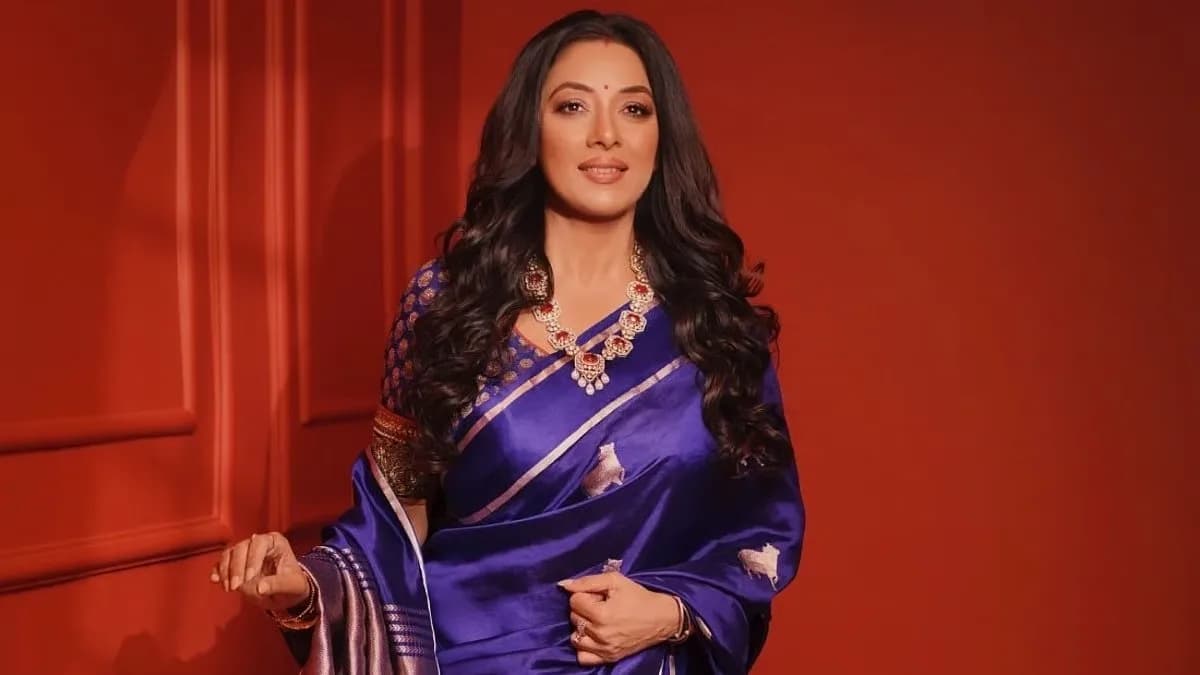
Rupali Ganguly isn’t lighting up the sky with firecrackers this Diwali. Instead, she’s heading to Mahim’s Kandeel Galli — her annual pilgrimage for lanterns and diyas. The Anupamaa actress has made it clear: for her, Diwali is about light, not noise. In an exclusive with The Free Press Journal, she opens up about her deeply personal celebration, rooted in ritual, memory, and quiet intentionality.
She loves going to local markets “to buy kandeels, diyas and rangoli colours,” a tradition that’s become as much a part of her Diwali as the puja itself. This year, like every year, she’ll be making rangoli, decorating the house, and preparing sweets with care. Work permitting, she wants nothing more than to spend time with her family, doing Lakshmi puja, sharing a meal, and passing on the meaning behind each small act.
For Ganguly, Diwali isn’t about grand gestures. It’s about connection. To roots. To childhood memories.
To the smell of freshly made karanji and shankarpada, the sound of her mother’s kitchen, the thrill of sneaking a sweet before it was served. Those moments, she says, are what stay with you. Her most treasured memory? Rudransh’s first Diwali.
Watching the festival through her son’s eyes changed everything. Now she’s more intentional about what she passes down, the why behind the rituals, not just the how. She’s never been a fan of loud crackers, even as a child. “I have always felt that Diwali is a festival of lights, so why should it become a festival of noise?” she asks.
The sound, she notes, can be terrifying for animals and birds, and overwhelming for elderly people or those unwell. As someone who cares deeply about animal welfare, she sees the festival as a chance to spread kindness, not just light. Her wish this year? To extend the spirit of Diwali beyond the home.
Support a local artisan when buying decorations. Share what you have with someone less fortunate. Remember the creatures around you while celebrating. “Festivals are as much about compassion as they are about celebration,” she says.
No grand declarations. Just a woman choosing stillness, memory, and care over chaos. In a season where spectacle often overshadows substance, her preference for diyas over detonations stands out. Not as protest.
Not as performance. But as practice. A way of living the festival, not just marking it.

Be the first to comment
Join the argument. No password, just your email or a passkey.